
Livraison le jour même ou le lendemain

Qualité garantie

Débloquez vos offres de bienvenue: Livraison GRATUITE | Jusqu'à -80 % | 30 jours d'essai gratuits à JoyPlus
Téléchargez l'application
A paper punch may seem simple to choose… until the holes are misaligned, the mechanism jams or the handle becomes awkward to operate. Whether you’re filing documents every day, preparing a binder, organising revision cards or creating a craft project, certain features really do make a difference.
Before buying a paper punch, it’s best to avoid three common mistakes.
A 1-hole punch is suitable for labels, tickets, cards or projects that require a customised position. It won’t replace a model designed for ring binders.
By contrast, a 4-hole punch is designed for documents that will be filed in compatible binders. Check the hole spacing as well as the size of your stationery: approximate alignment can make turning pages difficult and may even weaken the paper.
A metal finish inspires confidence, but the quality of the internal mechanism, the sharpness of the blades and the stability of the base matter just as much. A properly assembled metal punch will generally be suitable for frequent use, provided you stay within its maximum capacity.
Compact models slip easily into a pencil case or drawer. However, their small size doesn’t mean they can punch several sheets at once. The stated capacity remains the best guide.
Without a container, paper confetti quickly ends up on your desk or floor. For regular use, choose a desktop paper punch with a collection tray that is easy to open. You’ll save time when tidying up and reduce handling around the blades.
Start by identifying the system you need:
For binding, the binding punch must be compatible with the type of sheets and the system being used. The number of holes alone isn’t enough: their spacing and diameter are equally important.
Capacity is often stated as the number of 70 or 80 g/m² sheets. These figures don’t automatically apply to card stock, Bristol board or several stapled documents.
A model rated for 10 sheets shouldn’t be used regularly with 20 sheets. Excessive pressure may deform the lever, blunt the blades and produce uneven holes. For thicker projects, separate the sheets or choose a tool designed for this level of use.
A metal mechanism is better suited to repeated use, while a lightweight plastic body prioritises portability. In both cases, look for:
Maintenance is simple: empty the container regularly, remove any small fragments that have become stuck and wipe the tool with a dry cloth. Never put your fingers into the opening and store the punch out of reach of young children.
The models below meet different requirements. The information is based on the specifications provided for each product; always check the product page and packaging before use.
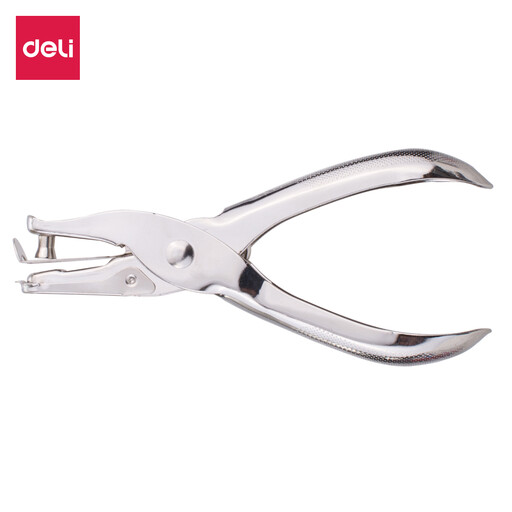
Why this choice suits these users: Its compact design is ideal for students, individuals and anyone looking for a simple tool for occasional tasks.
The product details clearly state that this is a metal, single-hole model, leaving no ambiguity about its intended use. Simply stay within its capacity to avoid jams.
Metal construction, silver finish, easy-to-carry format and a container that should be emptied regularly.
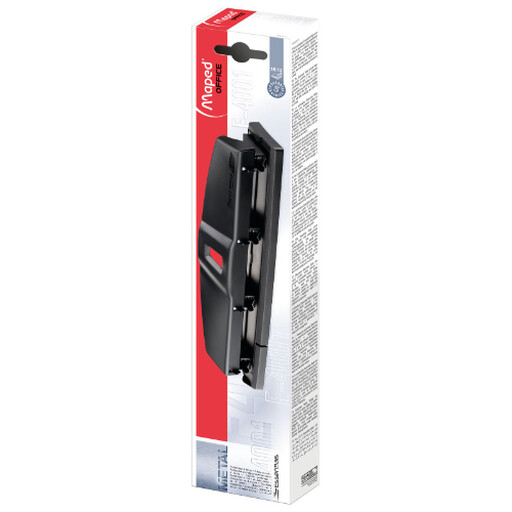
Why this choice suits these users: This model is designed for offices and classrooms looking for a 4-hole punch for regular, well-organised filing.
Its stated capacity is 10 sheets of 80 g/m² or 12 sheets of 70 g/m². This information helps you adjust the amount of paper instead of forcing the mechanism.
All-metal construction, alignment designed for four-ring binders, an integrated container and a stated 5-year manufacturer’s warranty.
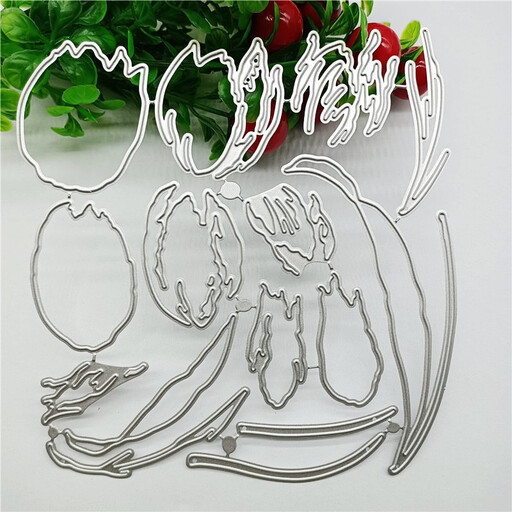
Why this choice suits these users: This option is aimed at scrapbooking and craft enthusiasts looking for decorative cut-outs rather than a filing punch.
Its name clearly refers to a cutting and embossing die. It therefore cannot be confused with a versatile desktop paper punch.
Metal die designed for cards, albums and paper decorations. Check that it is compatible with your machine before buying.
We’ve put together a complete selection, updated in real time, of products that meet these demanding selection criteria and European safety standards.
A punch’s service life depends more on the load placed on it than on its appearance. To protect your punching tool:
A desktop paper punch generally requires neither consumables nor a power supply. Its running costs therefore remain very low: you’ll mainly need to replace it when the blades no longer produce clean holes or the lever starts to become loose.
Choose a model whose number of holes and spacing match your ring binder. For a four-ring system, a 4-hole punch with alignment guides is a practical choice. Also check its sheet capacity.
Don’t exceed the stated capacity, align the sheets correctly and empty the confetti container regularly. If the mechanism catches, remove any visible waste without bringing your fingers near the blades.
Yes, for creating simple holes in labels, cards or thin paper. To create decorative patterns, a cutting die or accessory designed for crafts will be more suitable. In that case, check that it is compatible with the machine you’re using.