
Livraison le jour même ou le lendemain

Qualité garantie

Débloquez vos offres de bienvenue: Livraison GRATUITE | Jusqu'à -80 % | 30 jours d'essai gratuits à JoyPlus
Téléchargez l'application
From hygiene and arts and crafts to packaging and organisation, paper products meet a wide range of needs. Yet product descriptions sometimes rely on vague claims such as “ultra-strong”, “eco-friendly” or “multi-purpose”, without spelling out the features that really matter.
Before you buy toilet paper, tissues, a drawing pad or disposable plates, watch out for these three common pitfalls.
For a more confident choice, start with how you’ll actually use the product rather than relying on a single marketing claim.
For tissues and toilet paper, the number of plies generally affects comfort and strength. A three-ply paper may be thicker than a two-ply or single-ply option, but this alone isn’t enough to judge how soft or absorbent it is.
For kitchen roll, also check the sheet size, perforations and resistance to moisture. For food use, plates and napkins should be suitable for contact with food, in line with the manufacturer's information.
In the selection below, the sugarcane fibre plates have three compartments and measure 21,6 × 23,7 cm. This design can be handy for keeping a main, a side and a sauce separate at a buffet, event or takeaway. However, remember to check the recycling and composting guidance for your local area.
Paper weight, expressed in g/m², refers to the weight of the paper and gives you a first indication of its thickness. A 250 g/m² drawing pad is suitable for many dry and wet techniques, but texture and sizing also play an important part.
The Clairefontaine Paint’ON and Aquapad pads available in A3 are suited to different uses: mixed media for the former, and watercolour and washes for the latter.
A3 paper measures 29,7 × 42 cm. It gives you more room than A4 for posters, illustrations and studies, but you’ll also need somewhere suitable to store it. Take a look at our selection of A3 paper to compare different options.
For thermal labels, check at least the following:
Finally, store paper products somewhere dry, away from light and moisture. This applies to cardboard gift boxes, craft paper and storage accessories too.
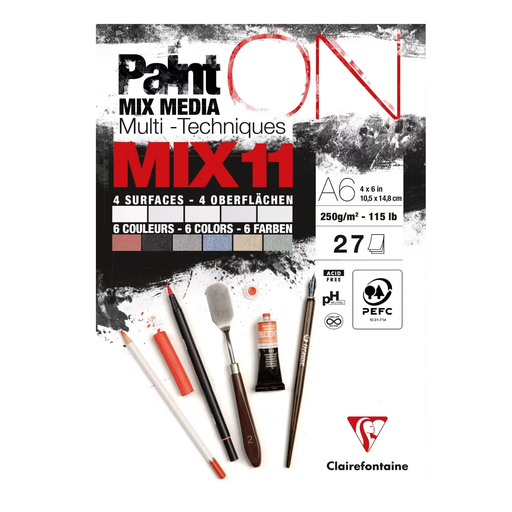
Why it suits this type of user : This A6 pad lets you try out different colours and surfaces before investing in a larger pad. It’s ideal for students, beginners and anyone taking their first steps in drawing.
The assortment reduces the risk of buying paper that doesn’t suit your technique or preferred texture.
27 sheets in total, 250 g/m² paper, a range of colours and suitability for both dry and wet techniques.
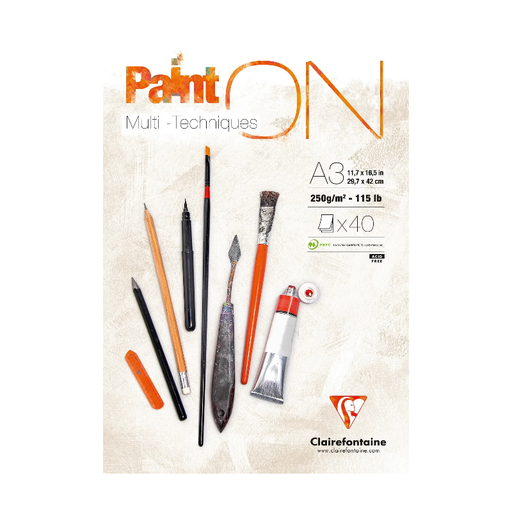
Why it suits this type of user : Its A3 size and 250 g/m² weight give you plenty of space for illustrations, studies and mixed-media projects.
The product details specify the cellulose composition, size and paper weight, rather than relying on a vague promise of quality.
40 sheets, a very fine grain, extra-white paper and stated suitability for pencil, marker, ink, gouache and acrylic.
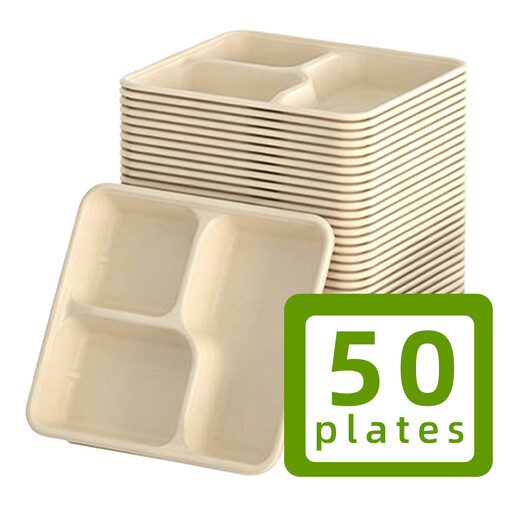
Why it suits this type of user : Caterers, community groups and event organisers can serve different foods on one plate at a buffet or takeaway event.
The dimensions and pack size are stated, making it easier to work out how many you’ll need for an event.
50 trays, three compartments and sugarcane fibres, as stated in the product description.
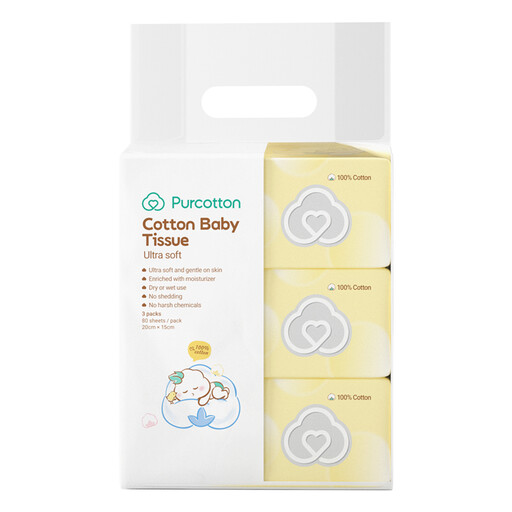
Why it suits this type of user : The pack of three can be handy at home, in a changing bag or when you’re out and about. According to the product description, the tissues can be used dry or wet.
The description specifies the composition and sheet size, and confirms that the tissues contain no fragrance, alcohol or softeners.
240 sheets across three packs, made from stated 100% cotton, and suitable for use dry or wet.
We’ve put together a comprehensive list, updated in real time, of products that meet these strict selection criteria and European safety regulations.
For watercolour, choose paper with a high weight, a suitable texture and good water resistance. The Clairefontaine Aquapad A3 pad, made from 300 g/m² natural cellulose, is described as having a medium-fine grain and being sized on both sides. For mixed media, 250 g/m² paper may be suitable, particularly for pencil, ink, gouache or acrylic.
No. The product details for several options say not to flush them down the toilet, as they can cause or worsen a blockage. Put them in your household waste bin, following local guidance. Toilet paper is designed for this purpose, but use a reasonable amount and follow the manufacturer's recommendations.
Store them flat or in their packaging, somewhere cool and dry, away from direct sunlight. This helps prevent drawing pads from warping, thermal labels from losing their stickiness and cardboard gift boxes from deteriorating. Keep paper or cardboard storage accessories away from damp rooms too, such as a poorly ventilated cellar.