
Livraison le jour même ou le lendemain

Qualité garantie

Débloquez vos offres de bienvenue: Livraison GRATUITE | Jusqu'à -80 % | 30 jours d'essai gratuits à JoyPlus
Téléchargez l'application
A paper planner can make it easier to organise your studies, work, personal projects or travel. But some models focus mainly on an attractive cover or appealing colour, while the layout itself may not suit your day-to-day needs. Before you buy, it’s worth taking a closer look at the layout, paper and flexibility.
A beautiful cover doesn’t necessarily make a planner practical. A weekly layout may look compact and easy to carry, but leave too little room for appointments, to-do lists or notes. A daily planner, on the other hand, offers more space, but can quickly become bulky if you don’t write much each day.
A dated planner suits people who organise their weeks consistently. But if your routine changes with the school term, work assignments or travel, unused pages can end up being a real waste. An 18-month undated planner lets you start whenever you like and take a break without being left with pages for dates that have already passed.
Paper weight directly affects how comfortable the planner is to write in and how durable its pages are. A binding that doesn’t open easily can also make note-taking awkward, especially when you want the planner to lie flat. It’s best to check the product’s exact specifications rather than rely on claims such as ‘premium quality’, which don’t correspond to any technical measurement.
An A5 diary, measuring approximately 14.8 × 21 cm, is a good compromise for a school bag, work bag or home use. It usually gives you enough room for a weekly overview, a few notes and goal tracking, while remaining easy to handle.
Larger formats are better suited to people who record lots of appointments, detailed projects or travel information. If you plan to carry your planner every day, remember to check its thickness and weight too.
The right choice depends first and foremost on how much information you want to write down, not just how the cover looks.
100 g/m² offset paper is a useful benchmark to compare with 70 g/m² paper. It generally feels more pleasant and substantial to write on, while lighter paper helps keep the planner’s overall thickness down. However, you should still consider the exact specifications in light of your own habits, particularly if you use pens, pencils or felt-tip pens.
A hard cover offers better protection in a bag. A planner with an elastic closure and bookmark is also easier to keep closed and lets you quickly find your current page. These accessories are useful, but they can’t make up for a layout that doesn’t suit your needs.
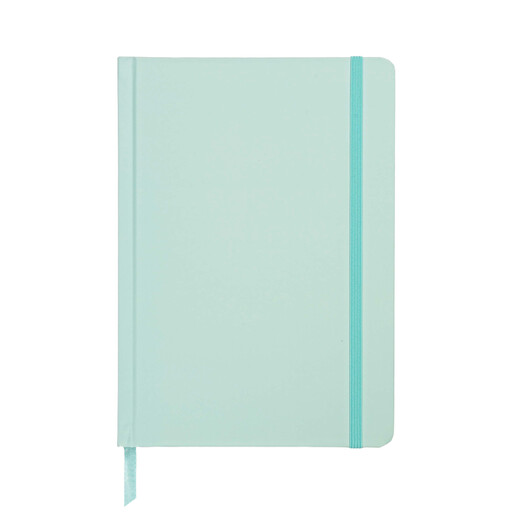
Why it suits this type of user : Its A5 size and undated layout mean you can start whenever you like. Its flexible format works just as well for classes as for personal tasks and early-stage projects.
The undated format means you won’t waste pages if your routine is irregular. Monthly and weekly views can help you gradually build good planning habits.
Hard cover, 112 sheets of 100 g offset paper, elastic closure and bookmark, as stated in the product details.
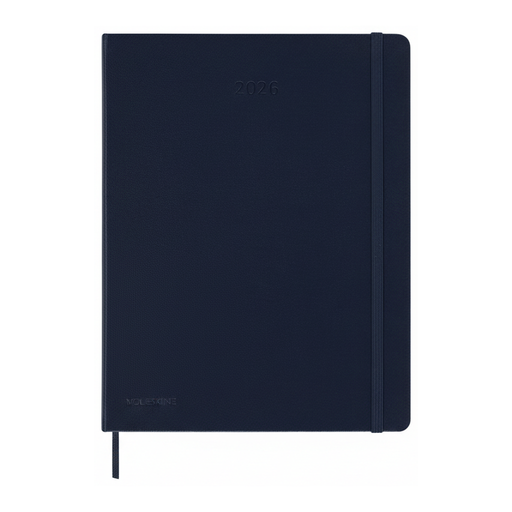
Why it suits this type of user : This model is for those who want a dated layout, a hard cover and extra space for ideas, goals and travel plans.
The weekly double-page spread, with a dedicated notes area, means you won’t end up with a planner that looks lovely but isn’t practical day to day.
Hard cover, elastic closure, ribbon bookmark, inner pocket and 70 g/m² ivory paper from FSC-certified sources, according to the product details.
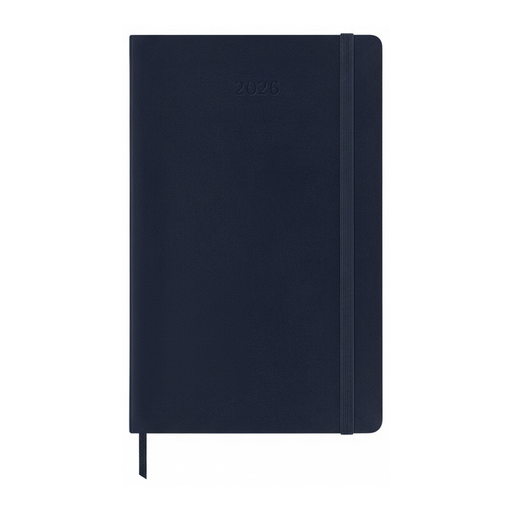
Why it suits this type of user : A full page for each day gives you the space to manage lots of appointments, keep close track of tasks and maintain a personal journal.
The daily layout means you don’t have to squeeze a busy day into a small box on a weekly spread.
A page per day, sections for calendars, travel, goals and ideas, an elastic closure and an inner pocket.
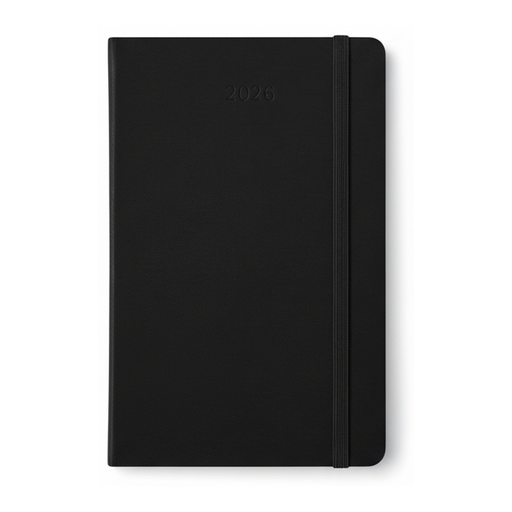
Why it suits this type of user : The horizontal layout makes the week easy to read at a glance, with dedicated sections for travel, ideas and goals.
Pages for travel and notes add more to the calendar, rather than reducing the planner to a simple list of appointments.
Horizontal layout, opens flat, elastic closure, ribbon bookmark and expandable pocket.
We’ve put together a comprehensive, regularly updated list of products that meet these strict selection criteria and comply with European safety regulations.
A traditional diary usually focuses on dates and appointments. A paper planner often includes extra pages for goals, to-do lists, projects, ideas or notes, making it a good choice if you want to organise things in a more personalised way.
It can be particularly useful if you use it irregularly or start part-way through the year. You only fill in the pages you need, rather than leaving dated weeks blank. However, check the actual number of sheets, whether it includes a monthly layout and how much space is provided for each week.
Keep it somewhere dry, away from damp and direct heat. Wipe the cover with a soft, dry cloth. Fastening the elastic after each use can also help protect the pages from getting creased in your bag. If the model contains small parts such as elastic bands, ribbons or stickers, keep them out of reach of children under 3.