
Livraison le jour même ou le lendemain

Qualité garantie

Débloquez vos offres de bienvenue: Livraison GRATUITE | Jusqu'à -80 % | 30 jours d'essai gratuits à JoyPlus
Téléchargez l'application
A paper and leather hole punch can be used to file documents, prepare labels, punch a belt or personalise a scrapbook album. However, choosing the wrong tool can quickly lead to off-centre holes, an uncomfortable handle or a mechanism that jams.
Before ordering, start by distinguishing between tools designed for thin paper, soft materials and repetitive tasks. Here are the criteria to consider to avoid any unpleasant surprises.
A 1-hole punch or 4-hole punch is designed for sheets of paper, sometimes several layers. It is not suitable for thick leather, dense fabrics or plastic. If you force it, you risk bending the blade and producing an uneven hole.
By contrast, leather punch pliers usually have a rotating head and several interchangeable tips. They allow you to choose the diameter and adapt the position of the hole to the material being used.
A 4-hole punch must have spacing that is compatible with the binders commonly used in France. The number of holes is therefore not enough: also check the alignment, sheet capacity and whether a guide is included.
For leather, a 6-size leather hole punch offers more options, provided that the available diameters match your project. Holes from 2 to 4.5 mm are suitable for many laces, rivets and accessories, but they will not replace a specialised tool for very large diameters.
The blades are sharp. A confetti reservoir that is too full can cause a blockage, while leather or paper residue can affect precision. Check for a stable base, a non-slip handle and clear instructions for use.
On metal models, dry cleaning and, when recommended in the instructions, lightly lubricating the pivot can help keep the mechanism moving smoothly. Also observe the stated capacity and never put your fingers into the opening.
For regular use, a metal construction generally provides greater rigidity than a tool made entirely from plastic. The MAPED metal hole punch, for example, is advertised as having a 100% metal construction and a five-year manufacturer's warranty. However, this information should be distinguished from cutting performance, which depends on the paper used and how frequently the punch is used.
For leather, look for stainless or treated steel, a robust joint and a stable support plate. A padded handle can reduce discomfort during repetitive tasks, although you should still take regular breaks.
Choose an office hole punch according to the paper weight and the number of sheets you need to punch. The MAPED Essentials 4-hole model is rated for 10 sheets of 80 g/m² or 12 sheets of 70 g/m². This specific information is much more useful than a vague promise of power.
For leather, consider the material's thickness, flexibility and resistance. A lever- or spring-operated tool makes punching easier, but very dense material may require specific preparation and a suitable work surface.
A well-positioned hole depends on three factors: its diameter, its distance from the edge and the spacing between the holes. Punch pliers with a rotating head are practical for projects requiring several sizes. For binding, the alignment guide should be a priority. For scrapbooking, the cutting shape and compatibility with the machine being used are more important.
Metal cutting dies, embossing stencils and craft accessories do not all punch in the same way. So check whether the product is pliers, a manual hole punch, a die or an accessory intended for use with a machine.
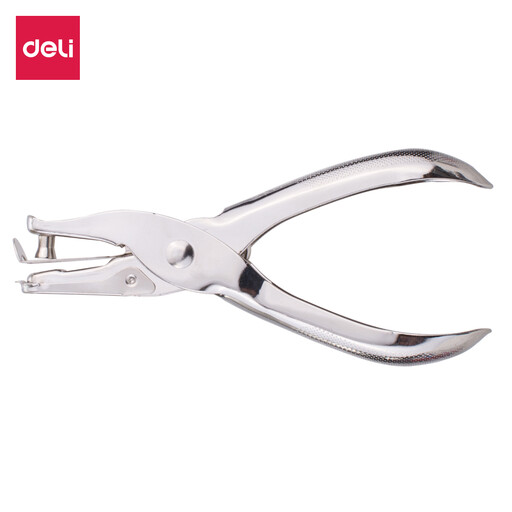
Why this choice suits this profile : This compact format is ideal for students, households and small filing or labelling tasks at home.
It is presented as a single-hole tool for paper, rather than pliers designed for thick materials. This clear distinction helps prevent unsuitable use.
Metal construction, an easy-to-carry format and a reservoir that should be emptied regularly to help prevent blockages.
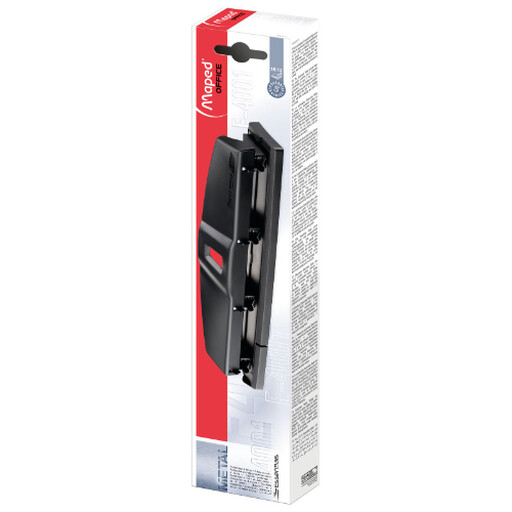
Why this choice suits this profile : Offices, teachers and users of 4-hole binders will appreciate its alignment, which is suited to everyday filing.
The stated capacity and alignment system clearly define how it should be used, rather than suggesting unlimited power.
All-metal construction, a confetti reservoir with flap and an advertised five-year manufacturer's warranty.
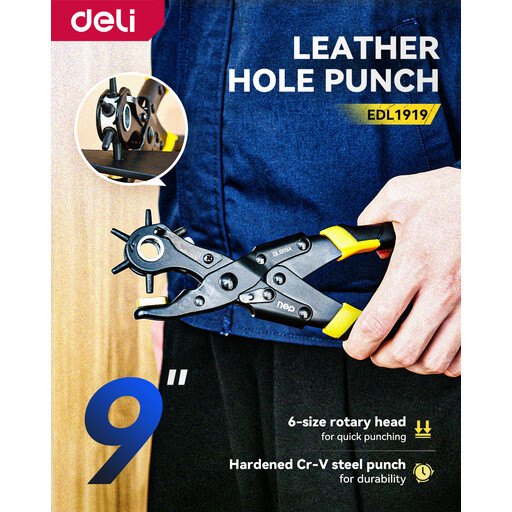
Why this choice suits this profile : Leatherworkers, jewellery makers and fans of repetitive projects have six interchangeable tips at their disposal.
The diameters, ranging from 2 to 4.5 mm, allow you to check compatibility with rivets or laces before buying.
Double-lever mechanism, non-slip handles and six-size heads for leather, fabric, plastic and canvas.
We have put together a comprehensive, real-time updated selection of products that meet these strict selection criteria and European safety regulations.
Card, album and decoration makers can expand their equipment with metal cutting dies, embossing designs or stencils. These accessories allow you to create decorative patterns, but their compatibility depends on the machine used and the paper weight.
Before choosing a die, check:
Cutting designs for cards, albums and seasonal decorations may be suitable for a scrapbooking workshop or a DIY project, subject to compatibility with your equipment. They do not replace a manual hole punch for binding or filing holes.
Choose leather punch pliers fitted with several tips if you need to vary the diameters. For regular use, prioritise a non-slip handle, adjustable distance from the edge and a metal structure. Always check the maximum leather thickness and use a stable work surface.
A 1-hole office punch is generally intended for paper. It may be suitable for very thin materials only if the product description explicitly permits this. For leather, dedicated pliers reduce the risk of deforming the mechanism and provide better control over the hole diameter.
Empty the confetti reservoir, remove residue after each use and wipe the metal parts with a dry cloth. Do not exceed the stated sheet capacity. For leather punch pliers, regularly check that the tip is securely fitted and lightly lubricate the pivot only if recommended by the manufacturer.