
Same-day & Next-day Delivery

Quality Guaranteed

Unlock Your Welcome Offers: FREE Delivery | Up to 80% OFF | Free 30-day JoyPlus trial
Download the APP
A blister on your heel after a hike, a cut on your finger or a graze from a DIY project may not need the same kind of protection. Yet packaging often makes vague promises — “durable”, “second skin” or “waterproof” — without explaining when the plaster will actually stay in place.
To choose blister plasters and small wound dressings that suit your needs, focus on four things: the size, the material, the level of protection and the precautions stated on the packaging.
A waterproof plaster may withstand a shower or a few splashes. That doesn’t guarantee it will stay put after prolonged immersion, heavy sweating or repeated rubbing. The quality of the adhesive, how well you prepare your skin and the shape of the area you’re protecting all play a part too.
For showering or swimming, look for a clear waterproof claim, a transparent backing and a sufficiently wide adhesive border. If it starts to peel off, it’s better to replace it than try to stick it back down.
Standard adhesive plasters are generally suitable for cuts and superficial grazes. However, they aren’t always designed to cushion the pressure of a shoe. For an intact or open blister, hydrocolloid plasters are often a better choice, particularly as they come in shapes designed for the foot, toes or heel.
When they come into contact with wound fluid, their material forms a protective gel. This is a property of the material, not a guarantee that everyone will heal in the same way.
A plaster that extends well beyond the area to be covered may fold over and catch on clothing. A dressing that’s too small, on the other hand, won’t protect the skin around the wound properly. Multi-size packs are therefore handy for a family first-aid kit, while specialist designs are better suited to recurring blisters on the heel or toes.
If you have sensitive skin, look for claims such as suitable for sensitive skin, hypoallergenic or natural latex-free. It’s still worth checking the ingredients: even a product described as gentle may cause a reaction in some people.
Foot blister plasters should cover the area affected by friction without making it uncomfortable to walk. Heel plasters with tapered edges generally fit the curve of the foot better. For fingers, an ergonomic or specially shaped design helps you move freely.
Always apply the plaster to clean, completely dry skin. Avoid touching the adhesive area, then press down the edges for a few seconds to help it stick.
For a medical device, check for the CE marking, the manufacturer’s contact details, instructions for use and safety warnings in English. A deep wound, bite, serious burn or wound showing signs of infection needs medical advice. If you have diabetes or circulation problems, ask a healthcare professional for advice before using certain products, particularly those designed for corns.
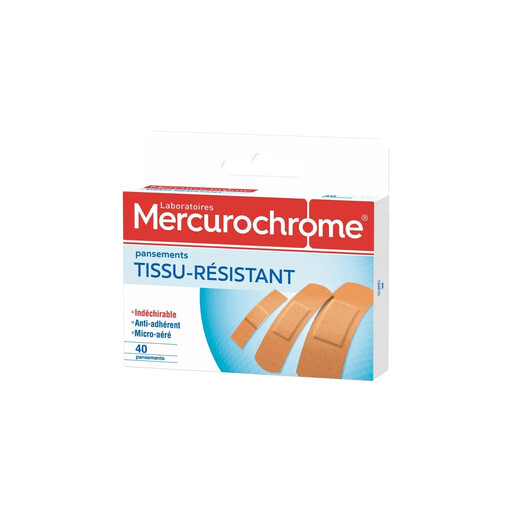
Why this is a good fit: This pack of 40 plasters in three sizes fits easily into a family first-aid kit and covers everyday minor cuts.
The three sizes reduce the risk of choosing a plaster that’s too small or unnecessarily large.
Stretchy fabric backing, breathable material and a selection of 12 small, 18 medium and 10 large plasters.
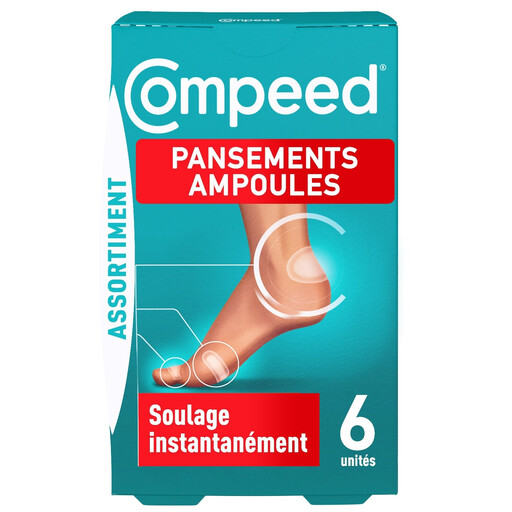
Why this is a good fit: This pack includes several shapes for blisters on the foot and toes, as well as areas that need a medium-sized plaster.
The selection of two medium, two small and two toe plasters helps prevent you from buying a poorly matched size.
Hydrocolloid technology and a selection of six plasters for different areas of the foot.
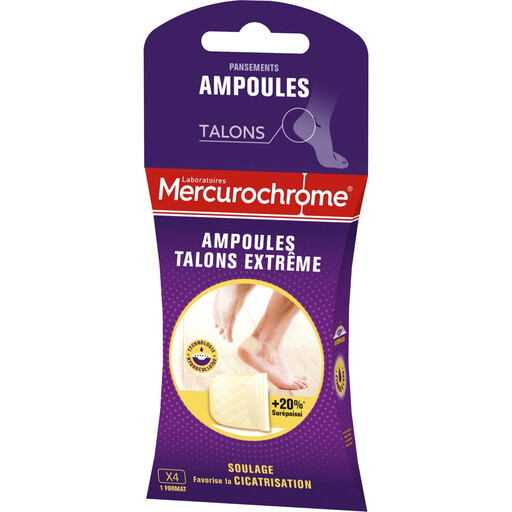
Why this is a good fit: Its targeted design is made for hikers, sportspeople and anyone who experiences repeated friction around the heel.
The heel-specific shape means you don’t have to use a flat plaster that could crease inside your shoe.
Raised foam described as 20 % thicker than the standard heel model, a hydrocolloid backing and water resistance.
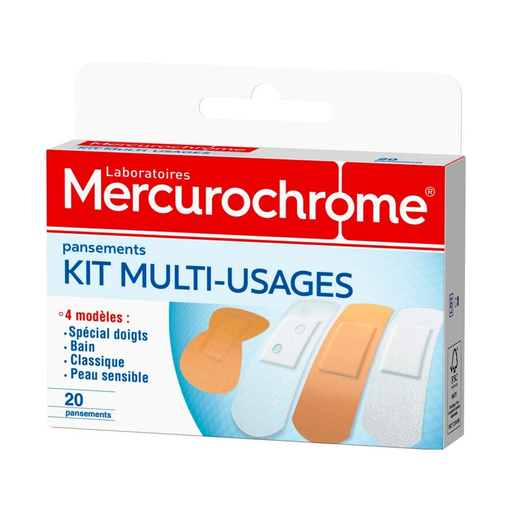
Why this is a good fit: Its ergonomic shape wraps around your finger and moves with you during everyday activities.
The finger-specific shape helps prevent creasing and peeling caused by repeated bending.
Soft non-woven fabric, micro-aerated backing, water resistance and a pack of 20 plasters.
Corn and callus plasters aren’t a substitute for blister plasters. Some are designed only to reduce friction with a protective foam cushion. Others contain salicylic acid: use them according to the instructions, as they aren’t suitable for everyone, particularly people with diabetes or circulation problems.
For a larger wound, sterile dressings measuring 5 cm × 5 cm can be used to clean and cover it, with a separate fastening system. Before use, check that the individual packaging is completely intact.
We’ve brought together a comprehensive selection, updated in real time, of products that meet these strict criteria and European safety requirements.
It depends on the product and the condition of the plaster. Some designs are made to stay in place for several days and should be replaced when they start to peel away naturally. Follow the instructions and remove the plaster if irritation occurs or the area shows any unusual signs.
Yes, if the manufacturer says so explicitly. Gently dry the area afterwards and replace the plaster if it has come loose, if moisture has got under the dressing or if it’s dirty. A waterproof claim doesn’t necessarily mean the product can withstand prolonged immersion.
Choose a soft, micro-aerated material. Depending on your needs, you could also opt for a product described as hypoallergenic or natural latex-free. Check the ingredients and test it on a small area of skin first. If redness, itching or irritation occurs, remove the plaster. If the symptoms persist, ask a healthcare professional for advice.