
Livraison le jour même ou le lendemain

Qualité garantie

Débloquez vos offres de bienvenue: Livraison GRATUITE | Jusqu'à -80 % | 30 jours d'essai gratuits à JoyPlus
Téléchargez l'application
The sugar aisle can be truly bewildering. Between classic white sugar and a growing number of alternatives, making a choice is difficult. Looking to try something new for your cakes or morning coffee?? Panela, jaggery, and rapadura are catching your eye with their authentic look and intense flavour. But what really sets them apart? Which one is right for you?
We're breaking down these whole cane sugars to help you see things more clearly. Follow our guide to find the perfect product for your recipes, without getting fooled by marketing jargon.
Before you take the plunge, there are three key things to check: the form, the name, and the composition. These are the best clues for finding the sugar that will elevate your creations.
Whole cane sugar comes in different forms, each with its own advantages:
Although they are often confused, these names conceal different geographical origins and subtle flavour differences:
What do they have in common? A rich aromatic profile, with notes of caramel, honey, and sometimes liquorice, which they owe to the naturally present molasses.
The key benefit of panela and its cousins is that they are unrefined sugars. Unlike white sugar, which is refined to the extreme until it contains only sucrose, panela is simply made from evaporated cane juice. This gentle process preserves the molasses, and with it, its minerals (potassium, magnesium, iron) and vitamins. The result: a natural sweetener with a more interesting nutritional profile than pure sucrose. Be aware, however, that it is still a sugar and should be consumed in moderation.
To put theory into practice, here are three products we have selected for their quality and versatility in the kitchen.
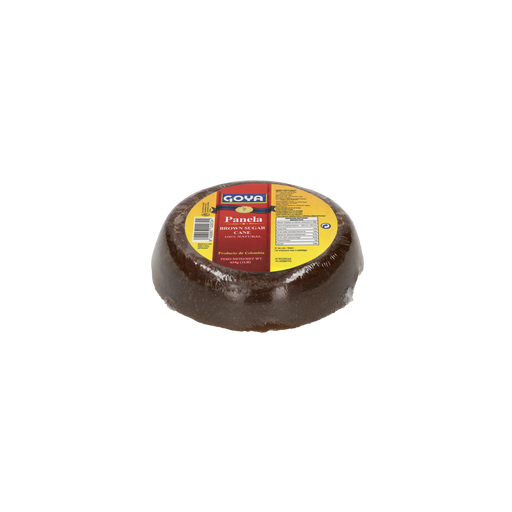
Its key feature?: an authentic block format, straight from Colombia.
This panela from the Goya brand comes in the form of a round cone, made from 100% sugarcane juice. Its rich, powerful flavour is perfect for sweetening hot drinks or adding an unmistakable caramel note to your dishes.
Pros?:
Who is it for?? For purists and lovers of unprocessed products who want to experience the original taste of panela. Ideal for Latin American recipes or for enhancing a specialty coffee.
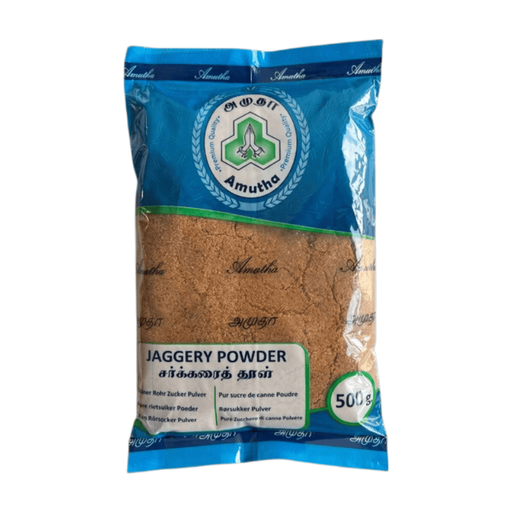
Its key feature?: the convenience of a ready-to-use powder, made from palm sap.
This powdered jaggery is an excellent alternative to cane panela. Made from palm juice, it unfolds a deep, enchanting caramel flavour. Its fine texture makes it super-easy to measure and mix.
Pros?:
Who is it for?? For those who want simplicity without sacrificing taste. An excellent ally for home bakers and fans of Asian cuisine in search of authentic flavours.
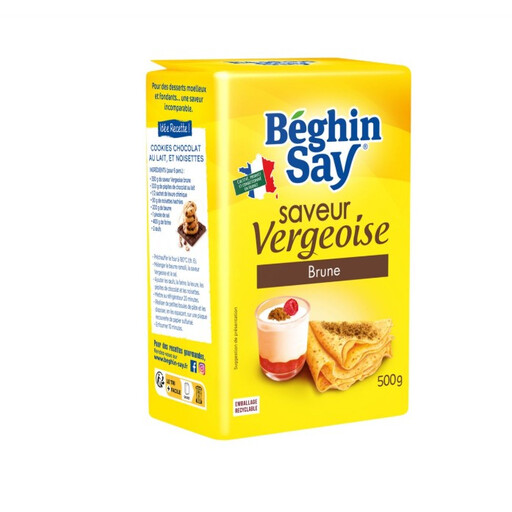
Its key feature?: a beloved European specialty, essential for certain pastries.
Although it's not a panela, dark brown soft sugar (vergeoise) often appeals to the same food lovers. It is a sugar from beet or cane that undergoes a second cooking to give it its characteristic soft texture and caramel taste.
Pros?:
Who is it for?? For lovers of tradition who want to perfect their sugar tarts, speculoos, or filled crêpes. Note that its unique taste and texture mean it's not always interchangeable with panela, but it's a reliable choice in the family of characterful sugars.
Didn't find exactly what you were looking for in our selection? Don't worry. Our dedicated category for brown and whole sugars is full of other gems. Explore a wide range of forms, origins, and flavours to find the sugar your pantry is missing.
Discover our range of brown sugars
It's all in the processing. Panela is 100% natural: it's simply dehydrated sugarcane juice, which makes it an unrefined product. Brown sugar (or cassonade), on the other hand, is often refined white sugar with molasses added back for colour and taste. Panela retains all the original nutrients from the cane juice.
It couldn't be simpler! To incorporate it into a cake batter, just grate it (a cheese grater works perfectly). For your drinks or sauces, break off a piece and let it dissolve directly in the hot liquid. In terms of measurement, its sweetening power is very similar to that of regular sugar, so you can follow your usual recipes.
On paper, yes. As an unrefined sugar, panela retains some of the minerals and vitamins from the sugarcane juice, which white sugar has long since lost. Its real advantage is its aromatic richness and authentic character. But let's not be mistaken: it is still composed mainly of sucrose and its calorie content is similar. It's a more flavourful and less processed alternative, but one that should still be consumed in moderation.
The Joybuy Editorial Team