To share chocolate among your guests, choose mini portions whose number or weight you can check. If you’re preparing a melted filling for several crêpes, a bar designed for desserts may be more suitable, although you’ll need to portion it yourself. A small format doesn’t automatically mean less sugar: compare the figures per 100 g and check the allergens for the product you choose.
Which format is right for you?
For hosts sharing out portions
For a shared snack, individually wrapped portions make it easy to decide how many to offer each time. Carrefour France, for example, lists Milka Milk Mini Bars in a pack of 8 bars weighing 200 g. This packaging makes them easy to count, but doesn’t indicate their sugar content.
For fans of a small bar of dark chocolate
If you’d rather serve a whole, lightweight bar, Lindt France offers a 35 g Excellence Dark 70% bar. The manufacturer states that this product contains 30 g of sugars per 100 g; its dark chocolate flavour may not suit every guest.
For anyone making a filling
If you’re filling several crêpes with melted chocolate, a bar intended for desserts is another option, though you’ll need to portion it yourself. Nestlé France recommends Nestlé Dessert for this culinary use; check the packaging for the specific product before choosing it.
What should you check?
First decide whether you want to hand out individual portions or prepare a filling, then compare the ingredients and nutritional information of products suited to that use.
| What to consider |
What to check |
Who is it for? |
| Easy-to-identify portions |
Number of portions, total weight and weight per portion, if stated. |
When serving several guests, I want to know how many portions to offer without opening a large bar. Around 31% of consumers would prioritise this as their main consideration. |
| Melted filling |
Whether the product is intended for cooking and any preparation instructions. |
If I’m filling lots of crêpes, preparing the chocolate matters more to me than handing out individual portions. Around 31% of consumers would share this priority. |
| Comparing sugar content |
Sugars per 100 g, followed by the amount planned for each portion. |
A mini pack doesn’t tell me what’s in the chocolate: I want to compare sugar content on a like-for-like basis. Around 23% of consumers would put this comparison first. |
| Allergens |
The ingredients list and any ‘may contain’ warnings on each pack. |
If a guest needs to avoid an allergen, I check the exact product before choosing a flavour or format. Around 15% of consumers would make this their first consideration. |
Common misunderstandings to avoid
-
Assuming ‘mini’ means ‘less sugar’
The format tells you how the chocolate is served, not what it contains. For example, Lindt France states that its mini Excellence Dark 70% bar contains 30 g of sugars per 100 g. This figure applies to that specific product.
Compare sugars per 100 g across products, then take into account the amount you’ll actually serve.
-
Thinking every bar has to display a Nutri-Score
According to the French Ministry of the Economy, Nutri-Score is voluntary in France. The DGCCRF explains that nutrition information is generally required for prepacked foods and shows values per 100 g or 100 ml to make comparisons easier.
If there’s no Nutri-Score, check the nutritional information on the pack rather than ruling out the bar for that reason alone.
-
Confusing the sugar in chocolate with the tax on sugary drinks
Article 1613 ter of the General Tax Code, published on Légifrance, applies to drinks and liquid preparations for drinks. A solid chocolate bar is not covered.
Check its sugar content to compare products or plan a portion, not to work out whether this tax applies.
-
Forgetting about allergens in a filling
Melting chocolate doesn’t remove the need to check its ingredients. Ingredients and ‘may contain’ warnings can vary from one product to another, even within the same brand.
Read the packaging for the product and flavour you plan to serve, especially if one of your guests has an allergy.
Brands to consider by format
Milka
Carrefour France lists Milka Milk Mini Bars in a pack of 8 bars weighing 200 g. This is worth considering if you want to count out the portions you serve.
- The individually wrapped portions make it easy to share out the pack.
- These are chocolate bars, not bars intended for baking. The product information lists milk and soya, and also warns that it may contain wheat and nuts.
Lindt
Lindt France offers Excellence Dark 70% as a 35 g mini tasting bar.
- The manufacturer states that this product contains 30 g of sugars per 100 g, a figure you can compare with other chocolates listed on the same basis.
- Its dark chocolate flavour won’t suit everyone, so check the product’s allergen information too.
Nestlé Dessert
Nestlé France describes this range of chocolate bars as being for making desserts.
- It’s worth considering when the chocolate is for a recipe rather than being served in mini portions.
- You’ll need to portion the bar and check the ingredients, nutritional information and instructions for the specific product you buy.
Formats for different uses
These Joybuy products illustrate three different options to enjoy with crêpes: a mini bar of dark chocolate, a multipack of bars to portion yourself and filled mini bars to share out. The mini bars are not plain chocolate bars.
 Image unavailable
LINDT Excellence 70%, 35 g mini bar of dark chocolate
Worth considering if you’d like to serve a whole small bar and enjoy dark chocolate. Lindt France states that this product contains 30 g of sugars per 100 g. If you want to melt it over a crêpe, check the product instructions for this use and its allergen information.
View on Joybuy
 Image unavailable
POULAIN Extra Dark, 3 × 100 g
Worth considering if you’d rather portion the chocolate yourself for several crêpes than hand out mini portions. This pack contains three 100 g bars. If you’re looking for a particular melted filling, check the preparation instructions for this product.
View on Joybuy
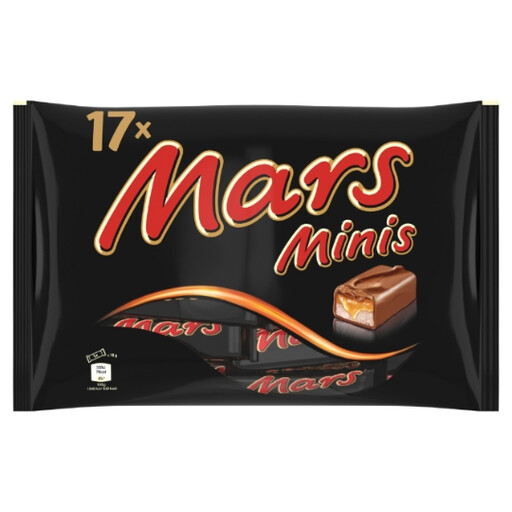 Image unavailable
MARS Minis, milk chocolate, caramel and nougat, 333 g
Worth considering if you want to serve mini bars alongside your crêpes rather than offer a plain chocolate bar. The pack weighs 333 g and the bars are filled with caramel and nougat. Check the packaging for allergen information and instructions if you’re thinking of melting them.
View on Joybuy
Frequently asked questions
Does the French tax on sugary drinks apply to chocolate bars?
No. A solid chocolate bar is not covered by the contribution set out in Article 1613 ter of the General Tax Code, published on Légifrance. The legislation applies to drinks and liquid preparations for drinks under the conditions it defines. Sugar content is still useful information when comparing chocolate bars.
Is Nutri-Score compulsory on chocolate bars in France?
No. The French Ministry of the Economy confirms that Nutri-Score is voluntary. Nutritional information, however, is generally required on prepacked foods. When comparing two products, check the ‘of which sugars’ line per 100 g in particular.
How do you compare two mini chocolates of different weights?
First compare their nutritional information per 100 g, the basis used by the DGCCRF to make comparisons easier. Then check the weight of the amount you plan to serve: a smaller portion doesn’t necessarily mean less sugar per 100 g.
What should you check if a guest has an allergy?
Read the ingredients list and any ‘may contain’ warnings on the packaging for the exact product. The European Commission states that allergens must be highlighted in the ingredients list. Don’t assume that information for one flavour or product also applies to another.


