
Livraison le jour même ou le lendemain

Qualité garantie

Débloquez vos offres de bienvenue: Livraison GRATUITE | Jusqu'à -80 % | 30 jours d'essai gratuits à JoyPlus
Téléchargez l'application
With its deep caramel notes and smoky touch, palm sugar is the secret ingredient that transforms a simple dish into an authentic culinary experience, especially in Asian cuisine. But between names like gula djawa or coconut sugar, and various forms like block or granulated, it's easy to get lost.
I'm a Product Curation Specialist at Joybuy, and my mission is to help you make sense of it all. This guide will demystify palm sugar to help you find the one that perfectly suits your needs, whether you're whipping up a Thai recipe or looking for a natural sweetener for your cakes.
Before diving into our selection, let's review a few key criteria to make the right choice.
The form of the palm sugar directly impacts how you use it in the kitchen.
A quick look at the ingredients list is essential. A palm sugar can be pure (100% palm sap) or a blend.
The term "palm sugar" is actually a generic term. The most common source is the coconut palm (Cocos nucifera), which yields the famous coconut sugar. But other palms, like the Palmyra or date palm, are also used. While the flavours are similar, subtle nuances exist. Coconut sugar, known for its rich caramel notes, remains the most versatile.
Here are our favourite products, selected for their convenience and flavour profiles suited for different uses.
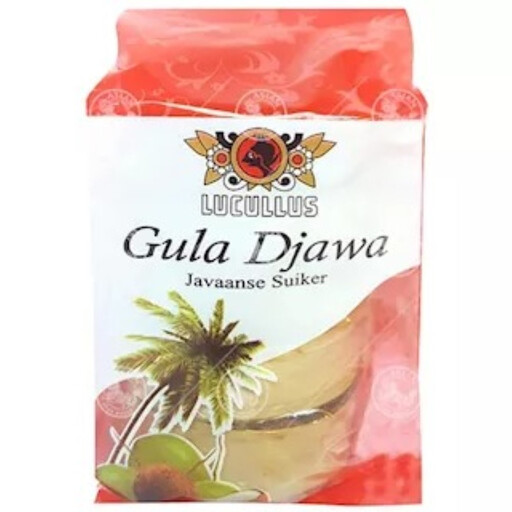
Why it stands out: This product comes in the traditional block palm sugar form, perfect for purists seeking the authenticity of Gula Djawa. Its generous 1 kg size is both cost-effective and ideal for frequent use.
Pros:
Best for: World cuisine enthusiasts who often prepare curries, satay sauces, or Indonesian and Thai desserts, and who enjoy the ritual of using an authentic ingredient.
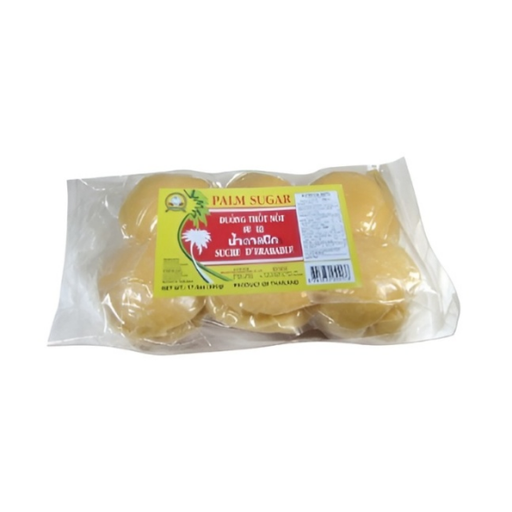
Why it stands out: This granulated palm sugar in a 500g bag is the perfect balance of flavour and convenience. As easy to use as brown sugar, it brings a far superior aromatic complexity.
Pros:
Best for: Home cooks and bakers looking for an easy-to-use natural sweetener for daily use, whether in their morning coffee, weekend cakes, or a quick vinaigrette.
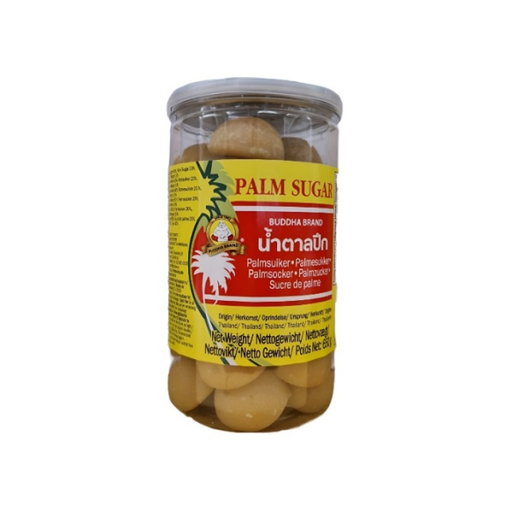
Why it stands out: Presented in a convenient 650g jar, this blend of palm sugar (20%) and other sugars offers a smooth paste texture and a balanced flavour. Its resealable jar ensures optimal storage.
Pros:
Best for: Those who prioritise convenience above all. It's the ideal staple for everyday cooking, from barbecue marinades to homemade iced teas.
If our suggestions don't quite meet your needs, or if you're curious to discover other alternatives like agave syrup, muscovado sugar, or erythritol, feel free to explore our dedicated section.
? Explore our full range of sugars and sweeteners on Joybuy
Coconut sugar is actually a type of palm sugar. The term "palm sugar" is a general category that includes all sugars derived from the sap of different palm trees. Coconut sugar, which comes specifically from the sap of coconut palm blossoms, is simply the most common. To put it simply, it's a bit like the difference between "citrus" and "orange."
Palm sugar is hygroscopic: it absorbs moisture from the air. To properly store block palm sugar, place it in an airtight container, away from light and heat. If it hardens anyway, simply grate it or break it into pieces before gently melting it with a splash of water.
Yes, in most cases, you can replace white sugar with granulated palm sugar in a 1:1 ratio. Just keep in mind that it will give your preparation a more amber colour and a distinctive caramel flavour. Since it's also slightly more moist, your cakes and cookies might turn out even more tender.