
Livraison le jour même ou le lendemain

Qualité garantie

Débloquez vos offres de bienvenue: Livraison GRATUITE | Jusqu'à -80 % | 30 jours d'essai gratuits à JoyPlus
Téléchargez l'application
Choosing a paint brush set may seem straightforward… until the bristles lose their shape, the paint leaves streaks or the brush gives up after just a few uses. Whether you’re renovating, upcycling a piece of furniture or taking up a creative hobby, the right selection depends above all on the type of paint, the surface to cover and the level of precision required.
Before placing your order, it’s worth keeping three common pitfalls in mind:
Synthetic brushes, generally made from polyester or PET, are versatile and easy to clean. They are particularly suitable for acrylic paints, varnishes and various water-based paints. For decorating projects, make sure the fibres hold enough paint and apply it evenly.
Acrylic paint brushes can be soft or firm, depending on the desired effect. An elastic fibre makes it easier to create flat areas of colour and outlines, while a stiffer fibre is better suited to thicker layers.
For brushes intended for oil painting, choose a robust fibre capable of working with viscous paint and withstanding the solvent-based cleaning method recommended by the manufacturer. Hog-bristle brushes, particularly flat models, leave visible brush marks and are well suited to impasto techniques and textured backgrounds.
Watercolour brushes rely on good absorbency and a tip that quickly returns to its original shape. Polyester fibres are valued for their elasticity, while pony hair offers greater softness and water retention.
Flat brushes are ideal for flat areas of colour, bands of paint and relatively large surfaces. Narrow models make it easier to work along edges, mouldings and for touch-ups. Wide brushes, meanwhile, allow you to cover a canvas or panel quickly.
For walls and furniture, choose the width according to the area you need to paint:
A compact roller can complement a brush set for smooth or semi-smooth surfaces. It covers large areas quickly, while a brush remains essential for edges and finishing work.
Check the ferrule, the metal part that holds the fibres in place. A stainless steel ferrule offers better corrosion resistance, which is particularly useful when brushes are cleaned regularly. The handle should also be comfortable to hold and sufficiently well balanced to reduce fatigue during long sessions.
The number of brushes alone is therefore not enough to assess a kit. Also look at the sizes included, the fibre material, the stated paint compatibility and the care instructions.
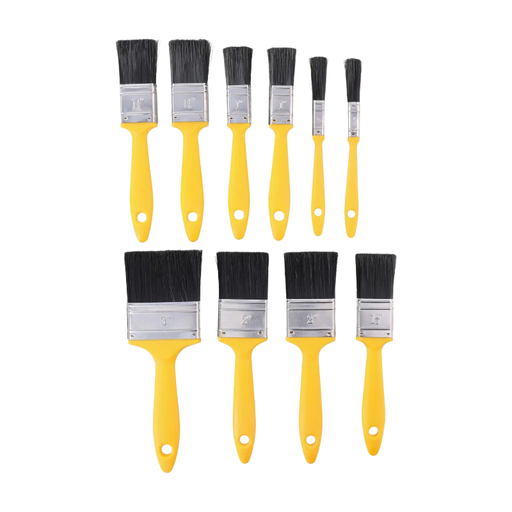
Why this product suits this profile : With widths ranging from 12 to 75 mm, this set lets you tackle a variety of craft, touch-up and decorating projects without having to buy multiple sets.
The contents are clearly specified: 10 flat brushes in different widths, rather than an assortment of shapes that are difficult to tell apart.
Hollow PET fibres, metal ferrules and a wide choice of sizes for paint, varnish, glue and DIY projects.
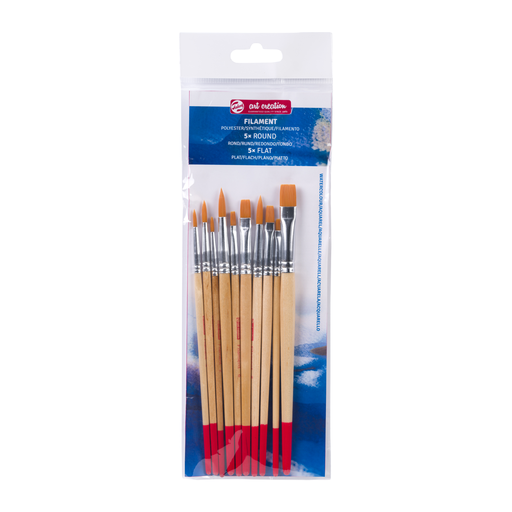
Why this product suits this profile : Artists who move between watercolour, ink, gouache, acrylic and oil have access to round and flat shapes in several sizes.
The five round brushes and five flat brushes come in clearly specified sizes, making it easy to choose the right tool for the technique you want to use.
Elastic polyester fibres, high stated absorbency and sizes ranging from round 2 to flat 14.
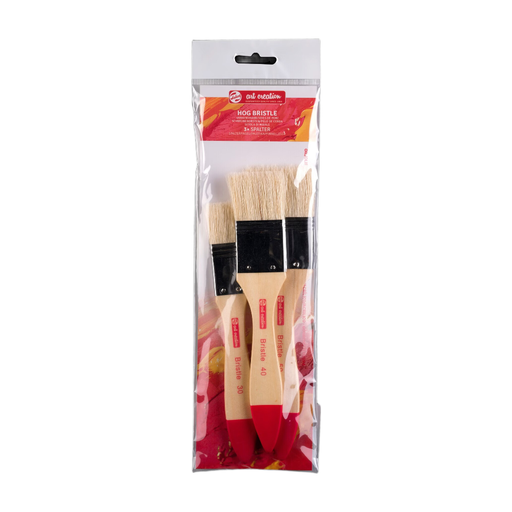
Why this product suits this profile : For backgrounds, primers or thick materials, painters have three wide brushes measuring 30, 40 and 50.
Its intended use is clearly defined: oil and acrylic paint, with no vague promise of universal compatibility.
Strong, flexible hog bristles, with widths suited to large surfaces and textured brushstrokes.
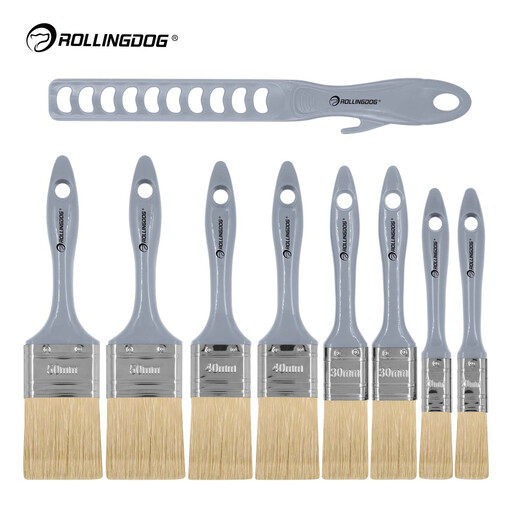
Why this product suits this profile : This kit covers everyday renovation needs, with four widths for walls, doors, furniture, skirting boards and finishing work.
The dimensions are given in millimetres and a paint mixer is included, so you’ll be less likely to need to buy separate accessories to prepare your paint.
Stainless steel ferrules, sizes of 20, 30, 40 and 50 mm, with stated compatibility with water-based and oil-based paints.
We’ve selected a complete, real-time updated list of products that meet these demanding criteria and European safety standards.
Clean the brush as soon as your painting session ends. For water-based paint, use water in accordance with the manufacturer’s instructions. For oil paint or a solvent-based product, use the cleaner recommended on the packaging. Remove all the paint, right down to the base of the ferrule, without crushing the fibres.
After rinsing, reshape the tip or flat edge, then leave the brush to dry completely in the open air. Avoid leaving brushes resting on their fibres or soaking in a container. Storing them horizontally, hanging them up or keeping them in a case will help preserve their shape.
When working on walls, furniture and woodwork, wear gloves and suitable eye protection. Ventilate the room and follow the instructions concerning the paint, solvent and disposal of waste. Products designed for painting must not be used on kitchen appliances.
An assortment of flat brushes ranging from 20 to 50 mm will generally suit the main surfaces, edges and touch-ups. For a large door or panel, you can complement the kit with a compact roller for a more even application on smooth areas.
Not necessarily. Many synthetic brushes are designed for acrylic, latex, varnish or certain oil paints, but you should always check the recommendations from both the brush and paint manufacturers. The shape and firmness of the fibres also have a direct effect on the finish.
It depends on how often it is used, the type of paint and the quality of cleaning. A brush that is rinsed promptly, dried correctly and stored without pressure on the fibres will keep its shape for much longer than one left in paint or solvent.