
Livraison le jour même ou le lendemain

Qualité garantie

Débloquez vos offres de bienvenue: Livraison GRATUITE | Jusqu'à -80 % | 30 jours d'essai gratuits à JoyPlus
Téléchargez l'application
Tackling greasy roasting tins, oily pans and daily glassware requires a washing-up liquid with reliable degreasing power. Citrus-based formulas, particularly those infused with lemon and lime extracts, remain a household staple across France thanks to their natural solvency, fresh scent and ability to dissolve stubborn fats without leaving dull residues. However, balancing cleaning efficiency with energy consumption and overall household expenditure means looking beyond scent alone.
Choosing the right citrus washing-up liquid comes down to three practical factors: how well the surfactant system performs at cooler wash temperatures, whether complementary active agents like vinegar are included for streak-free shine, and which pack size fits your storage space. This guide outlines key considerations to help you select the ideal format and formulation for your kitchen routine.
A frequent misconception is that heavy cooking oils only release under steaming hot tap water, leading to excessive household energy consumption. Modern concentrated citrus formulas are engineered to break down lipids at ambient temperatures around 18 °C. Purchasing a formula that requires scalding water just to foam properly wastes both water heating costs and product. Prioritise concentrated detergents designed specifically for cool-water performance to lower utility bills while preserving cleaning power on stubborn cookware.
Supermarket shelves often feature thin, heavily watered-down washing liquids that seem affordable per bottle but demand repeated squeezes for a single sink load. These lower-density liquids exhaust suds quickly when tackling frying pans, requiring double or triple the volume per wash. Selecting a dense, concentrated citrus liquid means a few drops generate a resilient grease-cutting foam, making each millilitre last significantly longer over weeks of daily use.
Stocking up on high-volume packs offers clear per-litre value, but storing unwieldy multi-litre containers under a compact Parisian sink or beside a small countertop can quickly cause daily annoyance. Without a smaller refillable pump dispenser or manageable primary bottle, decanting from heavy jugs leads to frequent spills and excessive dosing. Assess your available cupboard dimensions and decanting setup before deciding between individual bottles and bulk multipacks.
Household hot water accounts for a substantial share of domestic energy use, making wash temperature an essential parameter for everyday washing up.
Citrus scent provides an uplifting aroma, but complementary active agents determine how cleanly glassware rinses and how gentle the product remains.
Matching pack size to sink area and household volume prevents clutter and ensures an uninterrupted supply of washing liquid.
These selected citrus washing-up liquids offer dependable grease-cutting power, cold-water efficiency and tailored pack sizes to suit different household routines.
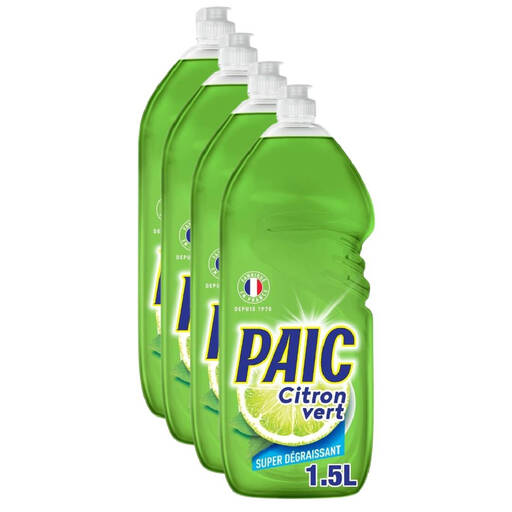
Why This Fits Their Persona: This substantial 6-litre bundle, divided into four 1.5-litre bottles, supplies demanding family kitchens with abundant degreasing capacity. Its super-degreasing lime formulation activates from 18 °C, allowing households running frequent daily washes to clean large roasting dishes and baking trays efficiently.
Eliminates the frequent reordering and premium packaging markups of buying single bottles every few weeks, giving homes with ample under-sink storage substantial per-litre supply security.
Provides an expansive 6-litre total volume of lime-scented concentrate that lifts heavy animal and vegetable fats with only a few drops per wash.
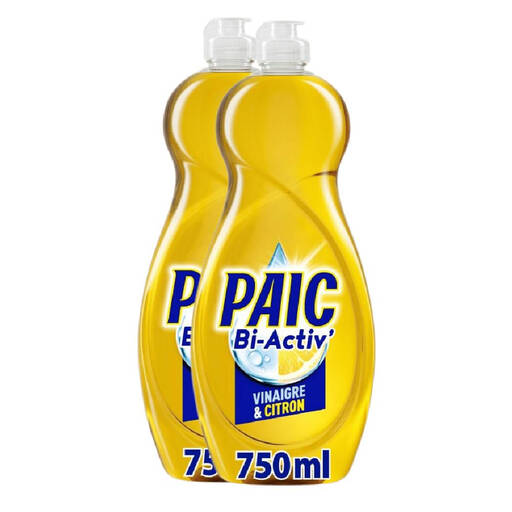
Why This Fits Their Persona: Formulated with 96 percent naturally derived ingredients, this bi-active blend pairs the natural degreasing action of lemon with the clarifying strength of traditional vinegar. It dissolves stubborn cooking residues while neutralising pungent kitchen odours and preventing hard-water cloudiness on glassware.
Avoids dull limescale hazing on wine glasses and transparent tumblers by harnessing vinegar's mineral-dissolving properties alongside cold-water degreasing at 18 °C.
Features dual-action grease removal and mineral shine through a 96 percent plant-derived formula packaged in a practical 1.5-litre total twin pack.
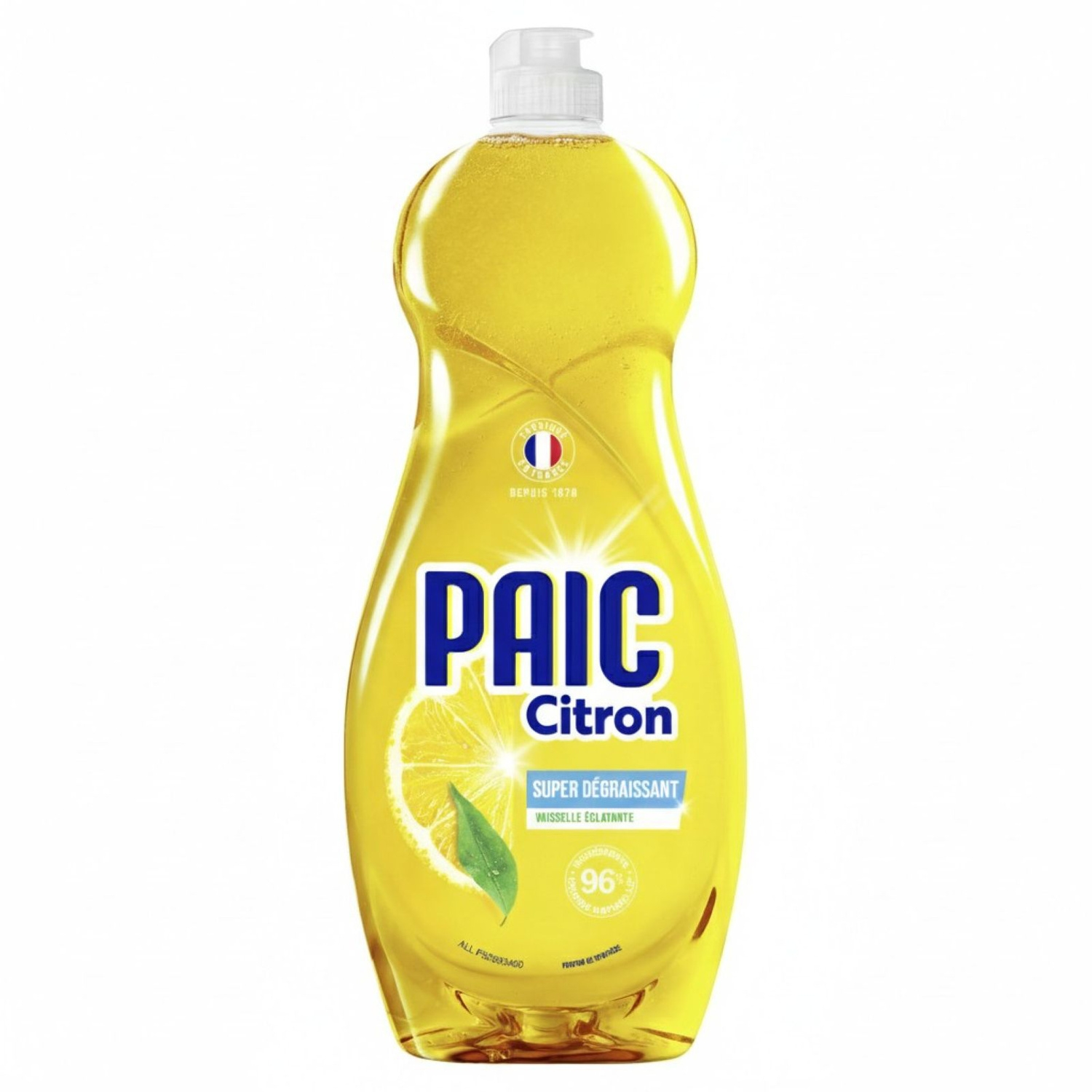
Why This Fits Their Persona: Designed for kitchens where worktop real estate is at a premium, this compact 750 ml bottle slots comfortably on any narrow sink rim. The classic concentrated lemon formula foams readily to tackle heavily soiled frying pans, baking dishes and everyday plates with minimal product dispensed.
Prevents bulky refill jugs from crowding cramped under-sink cupboards while offering concentrated cleaning power that outlasts watery discount alternatives.
Delivers proven cold-water grease dissolution on pots and pans in a slim, easily handled bottle tailored to smaller daily washing loads.
If you require specialised dishwashing tablets, fragrance-free formulations for sensitive skin or alternative citrus cleaning concentrates, explore our wider catalogue to find the exact match for your home.
Modern citrus washing liquids are formulated with active surfactant blends engineered to dissolve animal and plant fats at ambient water temperatures from 18 °C. While warm water accelerates the initial breakdown of solidified tallow, a concentrated citrus formula lifts grease effectively in cool or lukewarm water. For heavily baked-on trays, soaking them in cool water with a few drops of detergent for ten minutes before wiping delivers clean surfaces while saving household energy.
Because concentrated citrus detergents produce dense, long-lasting foam, two to three drops directly on a damp sponge or a five-millilitre squirt into a filled sink basin is generally sufficient for an entire meal's dishes. Pouring generous streams directly onto plates leads to unnecessary product wastage and requires extensive rinsing to clear residual suds. Dispensing a measured drop directly onto greasy cookware keeps consumption controlled and economical.
Multi-litre packs should be stored upright in a cool, dry cupboard away from direct sunlight and sharp temperature swings, ideally between 10 °C and 25 °C. Prolonged freezing can cause surfactants to turn cloudy or separate, while excessive warmth can thin the liquid consistency. Keeping spare bottles tightly sealed in a pantry or utility cabinet maintains full viscosity, colour and fragrance until you are ready to open them.