
Livraison le jour même ou le lendemain

Qualité garantie

Débloquez vos offres de bienvenue: Livraison GRATUITE | Jusqu'à -80 % | 30 jours d'essai gratuits à JoyPlus
Téléchargez l'application
Just a few spoonfuls of oyster sauce are enough to elevate a vegetable stir-fry, noodles or a marinade. But not all bottles are created equal, and they don't all suit the same purposes. Whether you're looking at a highly concentrated Asian sauce, a milder Chinese version, a punchy Thai recipe or a plant-based alternative, it's worth checking a few key points before you choose.
The most common pitfall is relying solely on the word "premium" or an attractive label. A flattering name doesn't tell you what proportion of oyster extract the recipe contains, nor its salt content or allergens. Size matters too: a small bottle works out more expensive per use if you cook regularly for a family, while a large container loses its appeal if the sauce stays open in the fridge for too long.
Oyster sauce is by nature a salty Asian condiment, but some brands exceed 10 g of salt per 100 g. If it's too salty, it can overpower other flavours and make it tricky to get the right balance in a stir-fry or noodle soup.
Check the nutritional table and start by adding a small amount. Recipes can vary significantly: some contain more sugar, while others focus on oyster extract or mushroom flavours.
A vegetarian or vegan oyster sauce doesn't contain oyster, but it may contain soya, wheat or celery. The absence of animal-derived ingredients doesn't mean it's free from allergens.
Lee Kum Kee's plant-based sauce, for example, lists soya and cereals containing gluten. MAGGI Vegan Mushroom Oyster Sauce 820 g also states the presence of soya, gluten and celery. Reading the label is essential, especially for those with allergies.
A large-format oyster sauce of 800 g, 907 g or 4.5 l can suit a family that regularly cooks stir-fries, or a professional in the catering trade. For occasional use, however, a bottle of 150 g to 350 g takes up less space and reduces the risk of leaving the sauce open for too long.
After opening, most products should be stored in the fridge, with the lid tightly closed and a clean, dry utensil used. Always follow the instructions printed on the packaging.
For a traditional oyster sauce, look for mentions of oyster extract, oyster essence or a quantitative indication. Not all brands are equal: Healthy Boy Thick Oyster Sauce 815 g states 20 % oyster extract, while Mae Krua sauces claim 30 % oyster extract in their composition.
This information alone won't predict your taste preferences, but it does allow you to compare recipes on an objective basis. A Chinese or Thai oyster sauce may also contain water, sugar, salt, modified starch and flavour enhancers.
A thick texture clings better to vegetables, meats and noodles. It's particularly well suited to stir-fry sauces, glazes and Asian marinades. A thinner sauce blends more easily into a broth or a pouring sauce.
Also consider the container. A squeezy bottle makes it easier to add the sauce at the last moment, while a large rigid bottle is better suited to intensive family cooking or professional use.
The mentions "molluscs", "soya" and "wheat" should be checked before purchase. Traditional oyster sauce is not suitable for vegetarians or vegans. Plant-based mushroom sauces can replace the classic version with vegetables, tofu, seitan or noodles, but they don't necessarily replicate its marine note.
To compare two products, also look at their sugar and salt content, as well as the presence of preservatives or flavour enhancers. These are details about the composition, not an automatic guarantee of quality or an indication of taste preference.
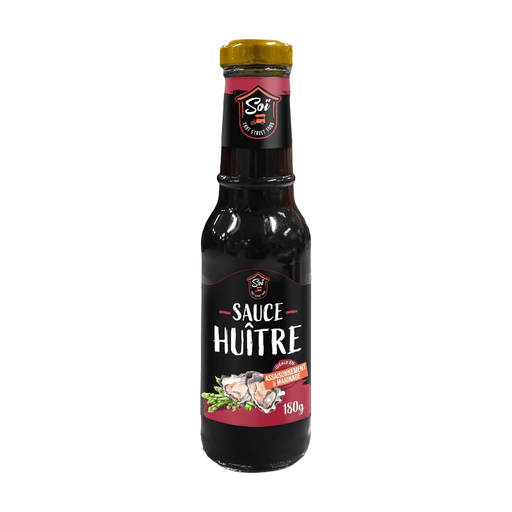
Why this choice suits this profile: Its small size lets you try a stir-fry sauce without cluttering up the fridge.
The 180 g size reduces the risk of buying a sauce you won't use much. The ingredients clearly list soya, gluten and molluscs.
Compact size, suitable for meat, fish, vegetables and noodles, with manufacture stated in France.
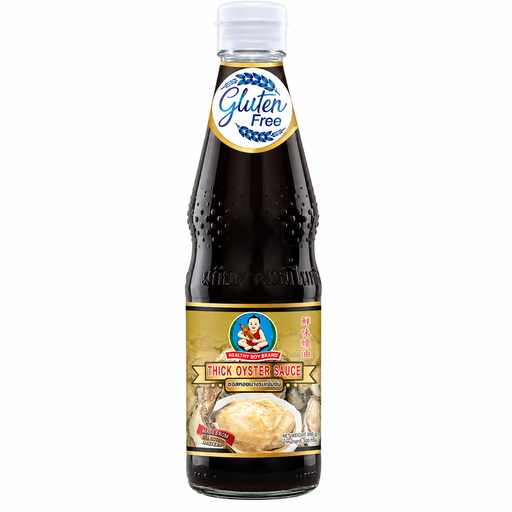
Why this choice suits this profile: Its thick texture and Thai recipe will appeal to cooks looking for an expressive sauce for finishing touches and marinades.
The product page states 20 % oyster extract and an 815 g bottle: two verifiable facts that go beyond marketing promises.
Velvety texture, ideal for stir-fries, steaming, marinades or as a finishing sauce. Contains molluscs.
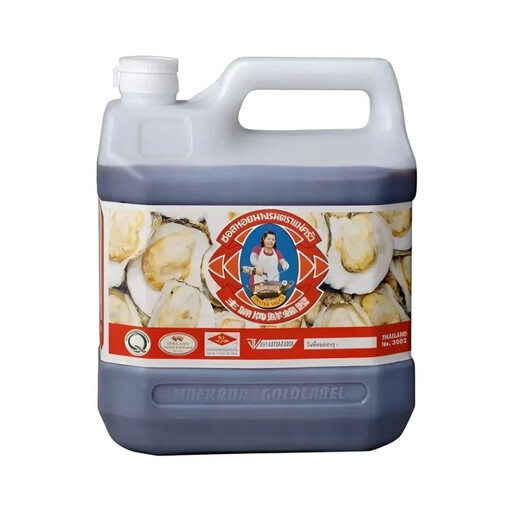
Why this choice suits this profile: This container is aimed at restaurants, catering kitchens and households that frequently cook stir-fries.
Such a volume is justified for high consumption and avoids having to buy multiple small bottles. However, make sure you have enough fridge space after opening.
4.5 l size, 30 % oyster extract stated, suitable for marinades and stir-fry sauces.
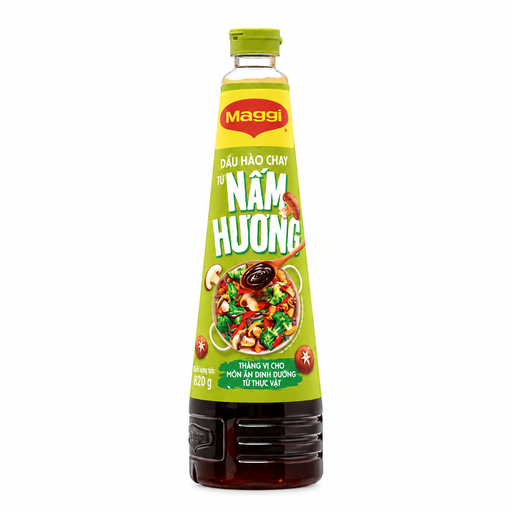
Why this choice suits this profile: This mushroom-based alternative works just as well with tofu and seitan as it does with rice, vegetables and noodles.
The product page states a vegan formula and details the presence of soya, gluten and celery, making it easy to check the ingredients.
No animal-derived ingredients according to the product page, 820 g size, suitable for marinades and stir-fries.
We've put together a comprehensive list, updated in real time, of products that meet these demanding selection criteria and comply with European safety regulations.
Yes, this is generally recommended. Close the bottle carefully and place it in the fridge after opening. Use a clean, dry utensil to reduce the risk of contamination. The shelf life depends on the brand: check the label rather than relying on a standard duration.
Add a small amount towards the end of cooking, after you've fried the vegetables, noodles, meat or tofu. Stir quickly to coat the ingredients. It can also be used as a base for an Asian marinade, with garlic, ginger, soy sauce or a drizzle of oil.
The traditional version contains oyster extract and gives dishes a marine, umami note. The vegan version typically relies on mushroom, soya and aromatics to offer a similar depth of flavour, without molluscs. In both cases, check the salt and sugar content, as well as the allergens, before you buy.