
Livraison le jour même ou le lendemain

Qualité garantie

Débloquez vos offres de bienvenue: Livraison GRATUITE | Jusqu'à -80 % | 30 jours d'essai gratuits à JoyPlus
Téléchargez l'application
The ramekin, that unassuming little ceramic dish, is a true cornerstone of our kitchens. Perfect for a flawlessly caramelised crème br?lée, a light and airy soufflé, or a generously gratinéed cassolette, it needs to be as beautiful as it is durable. However, choosing the right model can quickly become a headache. Caught between marketing claims and everyday reality, we too often end up with ramekins that crack at the first thermal shock, stain permanently, or are simply a pain to use.
My mission, as Head of Product Recommendations at Joybuy, is to guide you. We're cutting through the marketing jargon to focus on what's essential: the pitfalls to avoid and the key criteria for finding the perfect oven-safe ramekin.
The "Oven-Safe" Label That Guarantees Nothing: Nearly all ramekins carry this label, but in reality, not all can withstand thermal shock equally. A low-end model made from porous ceramic or with a poor-quality glaze is likely to crack during the first few transitions from cold to hot. True durability goes far beyond a simple label.
The "Stain-Resistant" Glaze in Name Only: Caramel from a crème br?lée that won't budge, tomato sauce that leaves a permanent mark after just one use... these everyday frustrations are almost always due to a poor-quality glaze. A high-quality, truly non-porous and scratch-resistant glaze is the only guarantee of easy cleaning and impeccable hygiene over the long term.
To make the right choice, focus on these few objective points. They are what will make all the difference in your daily use.
The ceramic ramekin remains the undisputed standard, provided you choose the right kind. Opt for high-density, lead- and cadmium-free, non-toxic ceramic. This type of material ensures ideal heat distribution—the secret to perfectly even cooking. This is essential, whether for an individual soufflé dish or an individual oven-baked cassolette. A quality small ceramic bowl isn't an expense; it's an investment in your kitchen.
A good ramekin should be able to move seamlessly between the different appliances in your kitchen. Always check its compatibility:
Capacity is also a key point. A size around 240?ml (8?oz) proves to be particularly versatile. It's the perfect volume for crème br?lée ramekins, but also for a dessert cup or for serving sauces and appetisers.
Rather than an endless list, we've matched specific products to concrete needs.
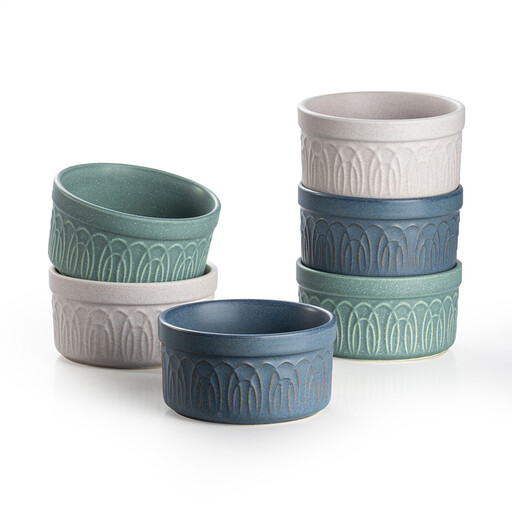
Why we recommend it: This set ticks all the boxes for the regular cook seeking reliability for their crème br?lées, soufflés, and other gratins. Its understated design and neutral colours easily complement any dinnerware.
Made from high-quality, non-toxic ceramic, it features a durable, scratch-resistant glaze. Its non-porous surface prevents stains from setting in and makes cleaning much simpler.
Its total versatility: it moves effortlessly from the oven to the microwave, and from the freezer to the dishwasher. The 240 ml capacity is an ideal all-rounder for a multitude of recipes.
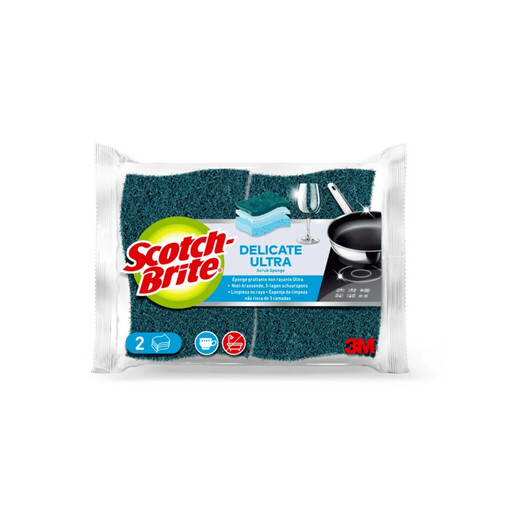
Why we recommend it: When you invest in beautiful ramekins, the last thing you want is to scratch them during the first wash. This scourer is specially designed to clean thoroughly without damaging delicate surfaces like ceramic glaze.
It avoids the classic mistake of using an overly abrasive sponge that permanently scratches and dulls your dishware. Its scouring side is effective but causes no micro-scratches.
Its triple-layer structure is very clever: a non-scratch side, a synthetic sponge to create a good lather, and a cellulose part for maximum absorption.
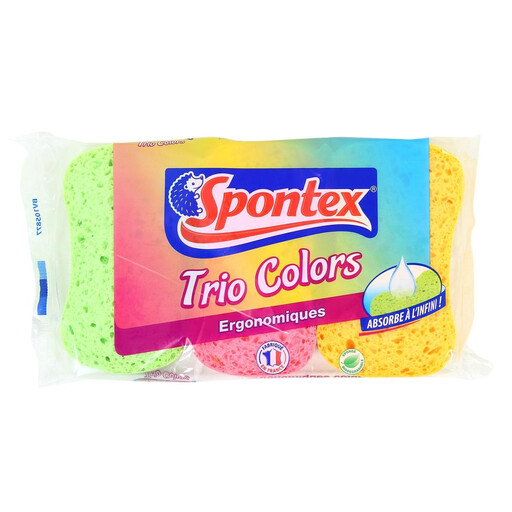
Why we recommend it: For anyone who wants a simple, reliable, and comfortable cleaning solution for the entire kitchen. It's the ultimate all-purpose sponge, effective on everyday dishes, including ramekins.
Unlike budget sponges that fall apart after a few uses, this model is built to last. Its ergonomic shape provides a good grip and makes the chore of washing dishes less of a pain.
Its high absorbency creates a generous lather for an effective clean. It's comfortable to use and makes cleaning even the most stubborn dishes easier.
Beautiful dishware deserves top-tier care. Discover our selection of accessories to keep your kitchen and dishes looking pristine.
We generally recommend a capacity between 150 and 240?ml. This is the ideal compromise for having a wide enough surface to caramelise while maintaining enough depth for a creamy custard. The 240?ml (8?oz) models are the most versatile, as they can be used for many other recipes.
This is a very bad idea. Even high-quality ceramic is at risk of cracking under such an extreme thermal shock. The best practice is to let the ramekin return to room temperature for about thirty minutes before placing it in the oven to prevent any accidents.
If food is stuck on, the best technique is to fill the ramekin with hot water and a few drops of washing-up liquid. Let it soak for 15 to 30 minutes. Then, simply use a non-scratch sponge to remove any residue without force. This is where a quality glaze makes all the difference: food barely sticks to it.