
Livraison le jour même ou le lendemain

Qualité garantie

Débloquez vos offres de bienvenue: Livraison GRATUITE | Jusqu'à -80 % | 30 jours d'essai gratuits à JoyPlus
Téléchargez l'application
Prep, store, and reheat your meal all in one dish: that's the promise of a good oven-safe glass food container. Practical, healthy, and durable, it has become a kitchen essential. However, not all models are created equal, and it's easy to fall for marketing traps that can render a product useless after just a few months.
As a Product Expert at Joybuy, my role is to help you see things more clearly. Let's set aside the advertising jargon and focus on the facts. Here’s how to identify a truly versatile glass container and avoid the three most common purchasing mistakes.
To ensure you make the right choice, three technical features demand your full attention. They are the guarantee of a reliable and long-lasting product.
The fundamental difference between a simple jar and a true baking dish lies in the type of glass. Borosilicate glass is the material of choice. Thanks to its specific composition, it has low thermal expansion, allowing it to withstand significant thermal shocks (e.g., from cold to hot). This is what guarantees you can safely use your borosilicate glass food container in the oven, even right after it's been in the fridge (while allowing for a short acclimatisation time).
A good lid must perform two functions: be perfectly airtight and resist wear and tear. To ensure this, check these two points:
The true value of a glass meal container lies in its ability to adapt to every stage of your kitchen routine. Make sure the following compatibilities are clearly stated by the manufacturer:
This versatility is especially sought after for glass meal prep, where you cook, store, and reheat in the same dish.
To help you visualise these criteria, here are a few options that meet specific needs, based on their technical features.

Why it's a great choice: Its 630 ml capacity is perfectly sized for a single serving, making it an ideal partner for those who prep their weekly lunches in advance.
This model is made of heat-resistant borosilicate glass, and its 4-clip lid with a silicone gasket ensures a reliable seal, preventing leaks and warped lids.
Complete versatility (oven, microwave, freezer, dishwasher). The removable gasket facilitates perfectly hygienic cleaning.
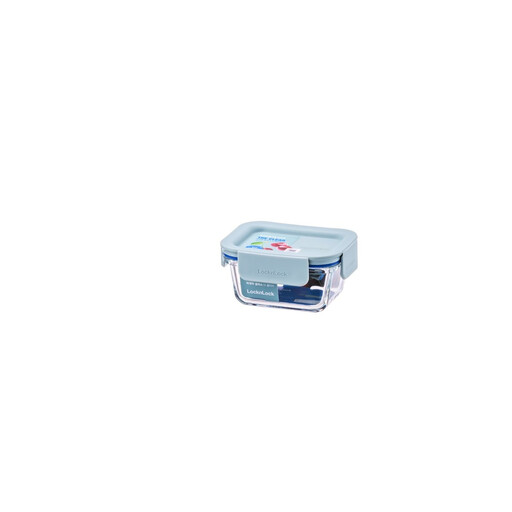
Why it's a great choice: Perfect for packing cut fruit, yoghurt, a sauce, or small leftovers. Its compact size slips easily into a bag and optimises fridge space.
This container makes no compromises on quality despite its small size. It's made with the same borosilicate glass and airtight locking system as the larger models.
Very practical and space-saving format. Retains the same durability and leak-proof properties as larger containers.

Why it's a great choice: With its 0.8 L capacity, this dish is perfect for small casseroles, lasagne for two, or storing larger leftovers. The reputation of Pyrex containers with lids is well-established and serves as a mark of trust.
Made from pure borosilicate glass by a pioneering brand renowned for its heat resistance, this dish is specifically designed for oven baking, eliminating any risk of cracking.
Versatile capacity for both baking and storage. Stackable design for optimised storage in cupboards or the refrigerator.
Our selection doesn't stop here. Beyond baking dishes, discover our other ranges of glass containers for all your needs, including for your homemade jams.
Absolutely not! This is a golden rule: never put a plastic lid or its silicone gasket in the oven. High temperatures can cause them to melt, warp, and release harmful substances into your food. Only the glass container is designed for baking. Always remember to remove the lid before putting your dish in the oven.
Borosilicate glass contains boron trioxide, a component that gives it very high resistance to thermal shock. Standard glass, known as soda-lime glass, is much more sensitive to sudden temperature changes and is at risk of cracking or shattering if you move it from cold to hot. For oven use, choosing a borosilicate glass food container is therefore essential.
A few simple steps are all it takes to ensure the longevity of your container. Avoid extreme thermal shocks: let your dish return to room temperature for a few minutes before moving it from the refrigerator to a preheated oven. For optimal cleaning, it's advisable to wash the lid's silicone gasket separately by hand. Finally, a quick visual inspection for any cracks or chips before each use is an excellent habit to adopt.