
Livraison le jour même ou le lendemain

Qualité garantie

Débloquez vos offres de bienvenue: Livraison GRATUITE | Jusqu'à -80 % | 30 jours d'essai gratuits à JoyPlus
Téléchargez l'application
Cook, refrigerate, and then reheat in the microwave, all in the same dish? The promise of an oven-safe glass container is certainly appealing. However, the market is flooded with products that fall far short of their claims. A lid that warps, glass that cracks at the first thermal shock, or a highly questionable seal… this seemingly practical purchase can quickly turn into a nightmare.
As Head of Product Recommendations at Joybuy, my mission is to help you see things more clearly. Let's cut through the marketing jargon and focus on the criteria that truly matter for making an informed and, most importantly, lasting choice. Here are the pitfalls to avoid and the key points to check before you buy.
At first glance, all glass containers look the same. Yet, their performance can vary dramatically. Here are the three most common traps that can cost you dearly (and lead to buyer's remorse).
To avoid these traps, you just need to check three key technical features.
The key to a truly oven-safe glass container lies in its material. Borosilicate glass is specifically designed to withstand extreme thermal shock (the infamous fridge-to-oven transition). This property allows it to go in the oven without the risk of cracking, unlike standard glass. A borosilicate glass food container is therefore an absolute prerequisite for anyone who wants to cook, store, and reheat in the same dish. It's a guarantee of safety and durability.
The effectiveness of a glass dish with an airtight lid depends on two inseparable elements:
Always check the instructions for each component of the product. A good set should offer:
Instead of an endless list, here are a few models that meet specific needs while adhering to the selection criteria we've just covered.

Why we chose it: Its 630 ml capacity is perfect for a single serving. Its rectangular shape makes it easy to stack in the fridge or a bag, making it the perfect partner for those who meal prep their lunches.
The dish is made of borosilicate glass, making it oven-safe (without its lid). The clip-locking system ensures an excellent seal for transport.
Total versatility: the glass dish is oven, microwave, freezer, and dishwasher-safe, simplifying the entire prep and storage process.

Why we chose it: With its generous 2-litre capacity, this dish is perfect for a family-sized casserole, dinner leftovers, or a large homemade soup. It's the ideal size for cooking in large quantities or for batch cooking.
Its borosilicate glass body withstands temperatures up to 400°C (manufacturer's data). The 4-clip system and removable silicone gasket guarantee a foolproof seal, even for large quantities.
Its large capacity and sturdiness. It goes directly from the oven to the table, then to the fridge, without needing to transfer contents.
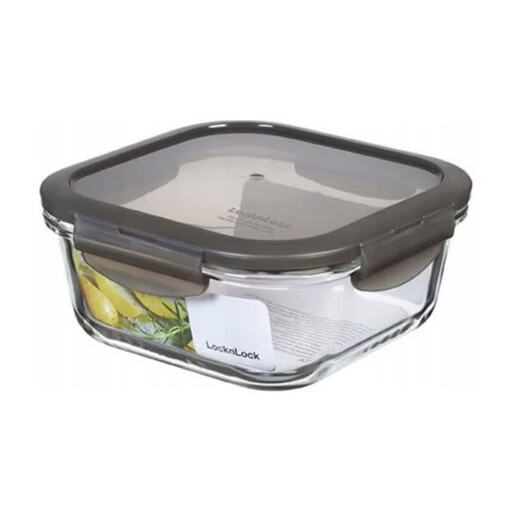
Why we chose it: The 750 ml square format is a versatile all-rounder. Large enough for an individual casserole or roasted vegetables, it remains compact enough for optimised storage.
It combines an oven-safe borosilicate glass dish with a perfectly leak-proof clip-on lid. Its square shape optimises space in both the oven and the fridge, with no wasted room.
Its stackable design and square shape make it a remarkably efficient storage solution. The 4-clip locking system is reliable and designed for daily use.
We have curated a complete, up-to-date selection of products that meet our strict selection criteria and current safety standards.
No, never! Under no circumstances should a plastic lid be placed in a conventional oven. The heat will cause it to melt and could release harmful substances. Only the borosilicate glass dish is designed for cooking. Always remember to remove the lid before placing the dish in the oven.
For a spotless clean, gently remove the silicone gasket from the lid after each use. Wash it by hand with warm, soapy water or place it in the top rack of the dishwasher. Ensure that the gasket and the groove in the lid are completely dry before putting it back. This is the best way to prevent mold and bad odours from forming.
Borosilicate glass incorporates boron oxide into its composition, which gives it exceptional resistance to thermal shock (rapid temperature changes). It is THE gold standard material for oven-safe dishes. Tempered glass, on the other hand, is standard glass that has undergone a thermal treatment to improve its resistance to mechanical shock (drops, impacts). Although it is more durable than ordinary glass, it remains highly sensitive to temperature fluctuations and is therefore not recommended for oven use.