
Livraison le jour même ou le lendemain

Qualité garantie

Débloquez vos offres de bienvenue: Livraison GRATUITE | Jusqu'à -80 % | 30 jours d'essai gratuits à JoyPlus
Téléchargez l'application
Switching to glass containers for preparing and storing meals is an excellent, healthy, and sustainable choice. The problem? The market is flooded with products that make tempting promises but quickly disappoint in the kitchen. An oven-safe glass food container is the ideal all-in-one solution, but a few technical details can turn a good investment into a real headache. Before you buy, it's crucial to know the common pitfalls.
The three mistakes to avoid when buying:
To ensure your container is durable and versatile, pay close attention to three technical points.
The fundamental difference between a simple jar and a true oven-to-table dish with a lid lies in the type of glass. Borosilicate glass is specifically engineered to withstand major temperature changes (i.e., thermal shock). This is what allows you to safely use the dish in the oven, microwave, freezer, and dishwasher without the risk of cracking. Any product that isn't explicitly labelled "borosilicate glass" is most likely made of standard glass and should never be put in your oven.
The reliability of an airtight food container depends on two key elements: a robust locking mechanism and a high-quality seal. Systems with four side clips generally provide even pressure and a secure lock. The seal itself should be made of flexible silicone and, ideally, be removable. This serves two purposes: it allows for thorough cleaning to prevent mould and enables you to replace it if needed, extending the life of your glass meal prep container.
Choosing glass food storage is often a health-conscious decision, so the lid must be just as safe. The BPA-free (Bisphenol A) label is now standard for food-grade plastics. Verify that the lid is made from polypropylene (PP), a stable and safe plastic, and check the manufacturer's instructions for microwave use. As a golden rule of thumb: plastic lids NEVER go in the oven.
Instead of an endless list, we've selected models that suit specific needs, always keeping our criteria for durability and safety in mind.

Why we chose it: Its 630 ml capacity is perfect for a single serving. You can bake a small lasagna or gratin, store it, and reheat it directly at the office. It simplifies lunch planning.
Its dish is made of heat-resistant borosilicate glass. The BPA-free polypropylene lid features 4 clips and a removable seal, ensuring a completely leak-proof experience.
Absolute versatility: compatible with the oven (without lid), microwave, freezer, and dishwasher.

Why we chose it: With its 2-litre capacity, this dish is designed for family meals. Perfect for a gratin dauphinois or storing leftovers, it moves seamlessly from the oven to the table and then to the fridge.
It's made from borosilicate glass that can withstand up to 400°C (according to the manufacturer). Its airtight lid ensures perfect storage with no risk of leaks.
Its large capacity is perfect for batch cooking and family meals. A real time-saver in the kitchen.
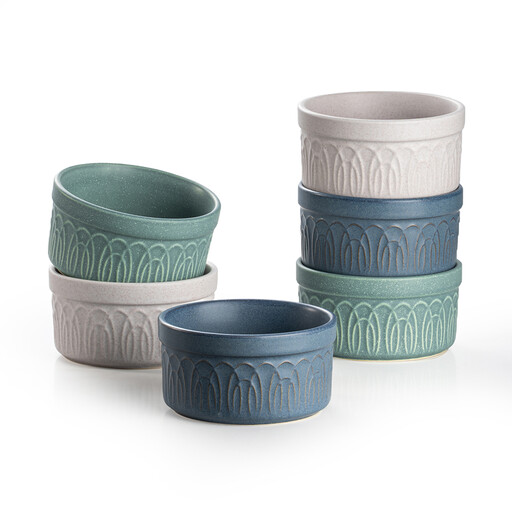
Why we chose it: The perfect partner for anyone who loves making individual desserts like crème br?lée or chocolate lava cakes. These ceramic ramekins are specifically designed for oven baking and elegant presentation.
There's no lid here, but their high-quality ceramic is designed for the oven, eliminating any risk of breakage from unsuitable glass. They are also microwave and freezer safe.
Perfect for portion control and an impeccable presentation of starters, sides, or desserts.
We've curated a complete selection of products that meet our strict selection criteria and current safety standards.
Even with borosilicate glass, you should avoid extreme thermal shock at all costs (like going directly from -18°C to 200°C). The best practice is to let the dish thaw for a few hours in the refrigerator or at room temperature before putting it in the oven.
For a thorough cleaning and to prevent mould, remove the silicone seal. Wash it by hand with soapy water, and don't forget to clean the groove in the lid. Let everything dry completely before putting it back together.
No, and this is an important point. Borosilicate glass is highly resistant to thermal shock—that's its main advantage in the kitchen. However, it is still glass and can break from a sharp impact, like being dropped on a tile floor. Always handle it with care.