
Livraison le jour même ou le lendemain

Qualité garantie

Débloquez vos offres de bienvenue: Livraison GRATUITE | Jusqu'à -80 % | 30 jours d'essai gratuits à JoyPlus
Téléchargez l'application
Switching from plastic to glass is an increasingly popular choice, and for good reason: it's a healthier, more sustainable solution. An oven-safe glass container promises to simplify your life, letting you cook, store, reheat, and even serve, all in a single dish. However, the market is flooded with products whose enticing claims often hide frustrating practical flaws. Before you buy, it's crucial to know the most common pitfalls to avoid disappointment.
Here are the essential points to watch out for to ensure you invest in containers that truly deliver on their promises.
To make the right choice, focus on a few technical specifications that make all the difference. These details will determine the durability, safety, and convenience of your future glass meal prep container.
The secret to a long-lasting glass oven dish is its composition. There are two main types of glass:
Airtightness is a non-negotiable feature, especially if you transport your meals. A good airtight glass container relies on two elements:
A good storage container should fit into your daily routine. Be sure to check the following points:
Rather than searching for a single perfect model, it's better to choose one that truly fits your needs. Here is our selection for different profiles.
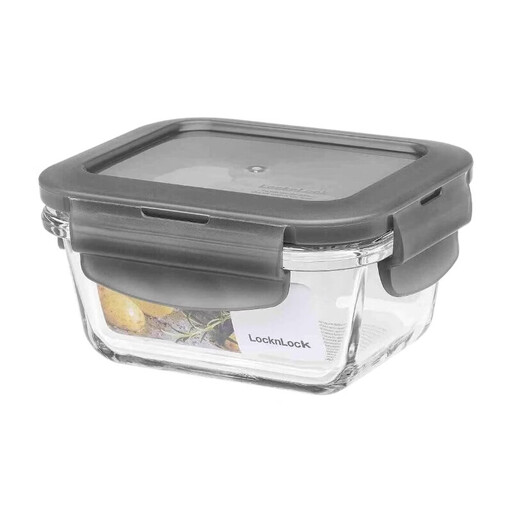
Why this model? Ideal for preparing and carrying individual portions. Its 500 ml capacity is perfect for a single lunch, and its square shape optimises space in a bag or refrigerator.
Its glass is heat-resistant (up to 400°C), and its screw-on lid with a silicone gasket prevents leaks and spills. The "no lid in the oven" instruction is clear.
Reliable and leak-proof screw-on locking system. Highly versatile: oven, microwave, and freezer safe.

Why this model? This set of glass food containers (10 pieces, two different sizes of 1040 ml and 370 ml) is perfect for storing leftovers, preparing lunches for the whole family, and optimising fridge space.
Made from borosilicate glass, this set offers enhanced resistance to thermal shock. The classic clip-lock system is tried and tested for its leak-proof seal.
Excellent value for money. The borosilicate glass is a guarantee of durability and safety, ideal for intensive family use.

Why this model? This glass dish with lid is the ultimate multi-function tool. It allows you to bake a small casserole, store it, reheat it, and serve it at the table without changing containers.
Its borosilicate glass composition is clearly stated, guaranteeing its resistance to oven heat. The simple and effective clip-lock system ensures proper storage.
High-quality material (borosilicate glass). Its clean design allows it to go seamlessly from the oven to the table.
We have selected a full range of products that meet these quality criteria and current safety standards.
Yes, but under one non-negotiable condition: it must be made of borosilicate glass. Even with this material, it's best to avoid extreme thermal shock. The ideal method is to let the frozen dish sit at room temperature for a few minutes, then place it in a cold oven. This allows the dish and the oven to heat up gradually together. And of course, never put the plastic lid in the oven!
To maintain its effectiveness, remove the gasket from the lid from time to time and clean it separately with soapy water. This removes food residue and prevents the growth of mould that could degrade it. Make sure the gasket and its groove are completely dry before putting it back in place.
Glass is an inert material, so it does not contain bisphenol A (BPA). The part to watch out for is the lid. While the vast majority of lids from reputable brands are now certified BPA-free, it is still wise to check this information on the product page for complete peace of mind.