Households that prepare small portions or reheat leftovers
If you mainly cook one or two portions or often reheat a meal, check whether a larger-capacity appliance will also suit your other recipes.


Start by thinking about what you cook most often: a microwave for reheating small portions, a hob for saucepan and frying-pan cooking, and an oven for dishes that need an oven cavity. To keep an eye on electricity use, compare the information available with the volume and number of portions you prepare. ADEME’s annual benchmarks do not predict how much energy your household will use.
If you mainly cook one or two portions or often reheat a meal, check whether a larger-capacity appliance will also suit your other recipes.
For gratins, roasts and bakes, the size of the dishes that fit and the option to cook on multiple shelves matter more than the stated capacity alone.
If you regularly boil, simmer or sear food, look at the layout of the cooking zones and, for induction, check that your cookware is compatible.
Start with the meal you prepare most often, then check your portion sizes and the containers you use. A small secondary appliance is suited to specific recipes, while an oven or hob can be used for other types of cooking.
| What you need | What to check | Who this matters to |
|---|---|---|
| Small portions and leftovers | Compare the dimensions of dishes that fit and the reheating or defrosting functions with the way you use the appliance. | If I mainly reheat a plate of food or cook small amounts, I want to avoid choosing a large cavity for these quick tasks. This is the top priority for around 33% of consumers. |
| Meals to share | Check the oven’s usable capacity and which shelf positions work for your recipes. | When preparing several portions, I need to be able to fit my dishes inside and keep the number of batches to a minimum. This comes first for around 25% of consumers. |
| Hob cooking | Check the size and layout of the cooking zones, as well as whether your cookware is compatible with induction. | When I mainly cook with a saucepan or frying pan, my choice of hob determines how I can use it every day. Around 25% of consumers prioritise this type of cooking. |
| Secondary appliance | Measure the space available and the usable surface area or dimensions for your recipes. | If I’m looking for a worktop appliance for a few specific dishes, I need to be happy with the limits of its basket or cavity. This format is the priority for around 17% of consumers. |
ADEME’s annual figures are based on usage assumptions that vary by appliance. They cannot tell you how much energy a recipe prepared at home will use.
Before comparing appliances, make a note of the dishes, portion sizes and frequency of use that matter to your household. Then look at models with a suitable capacity.
An induction hob must be used with compatible saucepans and frying pans. A flexible zone is only useful if your cookware is large enough to need it.
Check that the bases are compatible and compare their diameters with the zones specified for the hob you’re considering.
An air fryer basket and an oven cavity will not necessarily fit the same dishes, even when their capacities are both given in litres.
Measure your usual baking tins and dishes, then check the internal dimensions and how many items you can cook at the same time.
Tefal’s claims about the energy use of some air fryers are based on the brand’s own tests, using specific foods and conditions. They don’t reflect every recipe.
Check the conditions of the comparison, then choose based on your portion sizes and the number of batches you’ll need.
The range includes induction hobs, with some models offering zones that can be joined together for larger cookware.
The brand offers multifunction built-in ovens, with cooking and cleaning modes that vary by model.
The range’s countertop mini ovens cater for different space and capacity requirements.
The air fryer range includes baskets and drawers in different sizes.
These appliances suit different everyday tasks: reheating small portions, cooking on the hob, preparing oven dishes or using a secondary appliance. Start by choosing the function that best suits your usual meals, then check the space and cookware you’ll need.
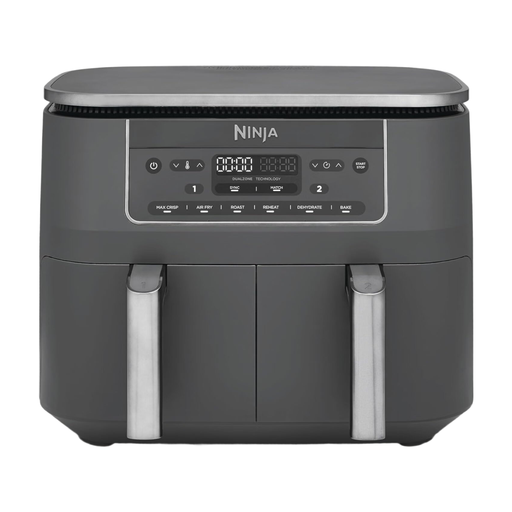 Image unavailable
Worth considering for smaller cooking tasks split between two drawers. Check that each drawer will fit the portions and dishes you want to cook.
Stated total capacity of 7,6 L; described as a 6-in-1 model.
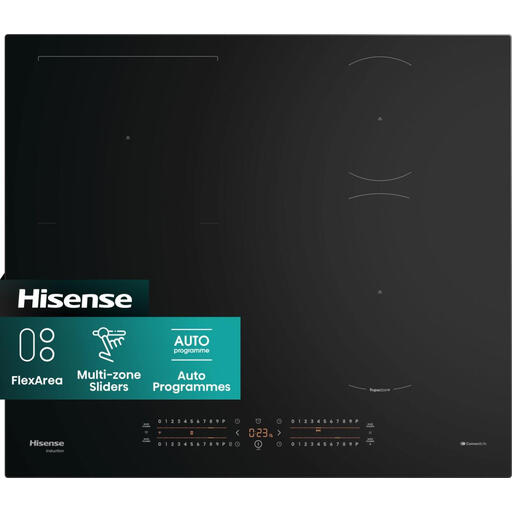 Image unavailable
For everyday saucepan and frying-pan cooking, provided you have cookware that’s compatible with induction.
Stated width: 60 cm. Check the cut-out dimensions before choosing this hob.
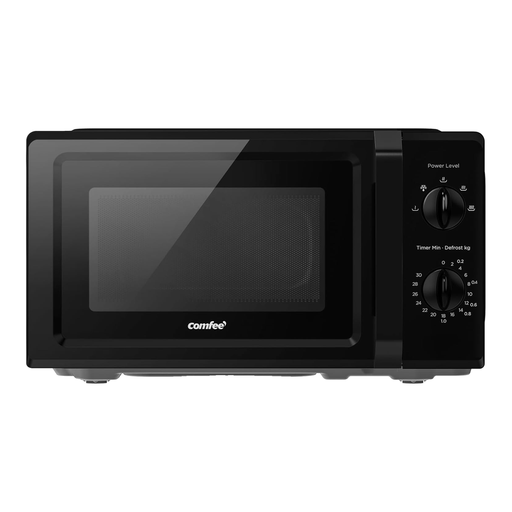 Image unavailable
For reheating leftovers, defrosting or preparing small portions. Check that your dishes fit on the turntable.
Stated power of 700 W, five power levels, a 30-minute timer and a 245 mm turntable.
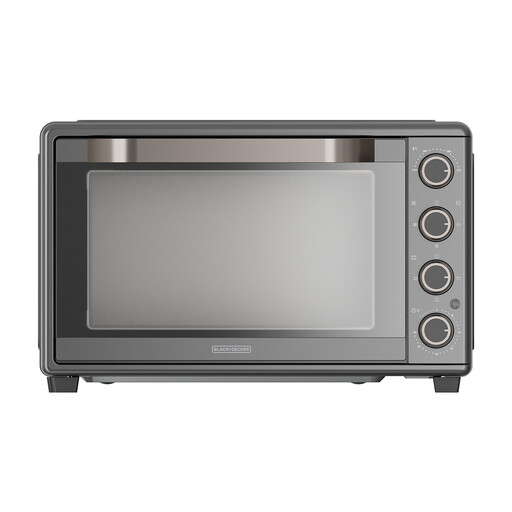 Image unavailable
Worth considering if you want to cook oven dishes in a countertop appliance. Check the internal dimensions for your baking tins and the space needed around the appliance.
Stated rated power of 2000 W, which does not tell you how much energy a recipe will use.
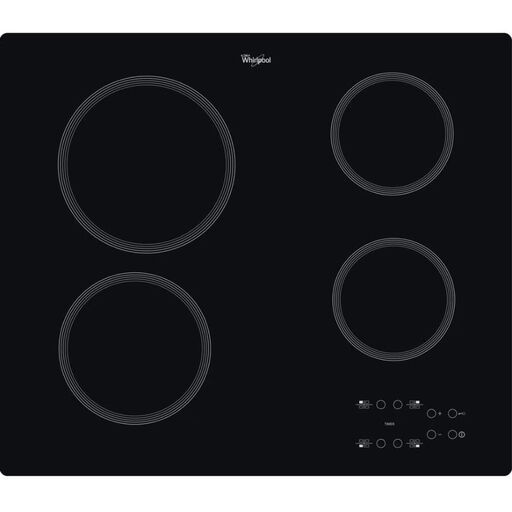 Image unavailable
For saucepan and frying-pan cooking if you don’t want an induction hob. Before buying, check that the hob is suitable for your space and installation.
Four cooking zones listed.
Start by comparing the same task and portion sizes, rather than two annual figures in isolation. ADEME gives figures of 40 kWh per year for a microwave and 130 kWh per year for a 63 L electric oven, based on different usage assumptions. These benchmarks don’t tell you how much energy a dish prepared at home will use.
No. In its FAQ published in January 2023, the European Commission states that hobs do not have an energy label. When choosing a hob, look at the cooking zones and whether your cookware is compatible. For a domestic oven, check the energy information that applies to the model.
ADEME’s benchmark is 115 kWh per year for an induction hob and 200 kWh per year for a ceramic hob, based on the stated figure of 409 cycles per year. These are indicative values, not a guarantee for every household. Also check that your cookware is compatible and consider how you cook.
Choose an oven that will fit your dishes and the number of portions you usually cook, rather than basing your decision on its litre capacity alone. Check the internal dimensions and the instruction manual if you plan to cook on multiple shelves.
Not necessarily: the basket may limit the shape of the dishes you can use and mean you need to cook in batches. Compare your recipes and portion sizes with the usable cooking area, and don’t assume that a brand’s energy results for a specific test apply to every meal.