You’re moving into a kitchen without appliances
Work out which types of cooking you need, then check your kitchen units, electrical circuits and, if you’re considering gas, the installation and ventilation before choosing your appliances.


Before choosing kitchen appliances, check the available space and connections. If you’re considering gas, also check the ventilation requirements for your home. An oven and a hob serve different purposes, but you can combine them in a freestanding cooker. A microwave or compact appliance is better suited to specific cooking tasks or occasional use. In every case, the dimensions and installation instructions for the model you choose are key.
Work out which types of cooking you need, then check your kitchen units, electrical circuits and, if you’re considering gas, the installation and ventilation before choosing your appliances.
A new appliance won’t necessarily have the same dimensions or installation requirements as the one it replaces. Measure the space, then check the connections and clearances against the instructions for the model you’re considering.
Before choosing a microwave, portable hob or mini oven, compare the dishes you plan to prepare, the capacity and the space it will take up. A compact appliance won’t necessarily offer all the functions of a fully equipped kitchen.
Start with the meals you prepare, then rule out any appliance formats that won’t suit the available space and connections.
| Criteria | What to check | Think about your needs |
|---|---|---|
| Types of cooking | Work out whether your meals call for hob rings, an oven or mainly reheating. Compare capacity and features with how often you’ll use the appliance, as Gifam recommends. | I often cook dishes in the oven and on the hob, so I’ll find two separate functions useful. If I mainly reheat meals, I can look at a microwave without assuming it will automatically replace a hob or oven. |
| Size and location | For a built-in oven or hob, check the niche or cut-out dimensions, clearances and door opening against the model’s instructions. For a freestanding cooker or worktop appliance, measure the space and check the clearance required around it. | I have an existing niche, so its dimensions and the installation instructions will guide my choice. If there’s no suitable built-in space, I can consider a freestanding model, provided there’s enough room for it. |
| Electrical supply | Check which circuits are available and what connections the model requires. Promotelec specifies dedicated circuits for ovens, hobs and cookers; the presence of a socket alone doesn’t confirm that the appliance is compatible. | Before choosing a built-in hob or electric cooker, I want to know whether my installation can support the connection. Any changes to the circuit should be assessed by a qualified professional. |
| Gas and ventilation | If you’re considering a gas hob or cooker, have the installation and room ventilation checked. Cegibat notes that gas cooking appliances have specific requirements depending on the layout of the home; having an extractor hood alone isn’t enough to confirm that these are met. | I’m interested in gas, but I’ll check the windows and existing ventilation before choosing a model, rather than assuming that a space suitable for an electric hob will work for gas too. |
| Product information | Compare information for appliances in the same category. The European energy-labelling regulation covers domestic electric and gas ovens, as well as domestic electric cooker hoods. Check the label that applies to the model in question. | I want to compare energy-use information for an oven or cooker hood and find out about repair options. I’ll check the model’s documentation and ask the retailer or manufacturer about spare parts. |
An oven must also fit into its niche, allow the door to open and have enough clearance for heat to escape, as Whirlpool points out.
Measure the unit and access space, then compare them with the installation diagram for the exact model before you buy.
Promotelec specifies that the ovens, hobs and cookers in question need dedicated circuits. So, having a socket in the kitchen doesn’t confirm that it’s suitable for the appliance.
Find out which circuit is already in place and have any electrical changes assessed by a qualified professional.
A gas hob or cooker means checking the installation and room ventilation. According to Cegibat, the requirements depend in part on the layout of the home; having an extractor hood isn’t enough to confirm that they’re met.
Before choosing this option, ask a competent professional to check the windows, ventilation and gas installation.
The indicators for an oven or cooker hood that requires an energy label aren’t a common measure for all cooking appliances. The European regulation on energy labelling sets out which oven and cooker hood categories are covered.
Check the label and product information where applicable. For other appliances, compare the relevant specifications in their product details.
These catalogues are a starting point for comparing formats. Check availability and installation requirements for each model.
Bosch’s French catalogue features ovens, microwaves, hobs, cooker hoods and freestanding cookers.
Electrolux’s French range includes induction, electric, ceramic, gas, mixed-fuel and extractor hobs.
Whirlpool offers installation advice for its built-in ovens, including guidance on positioning, door clearance and heat ventilation.
SEB offers freestanding mini ovens for specific dishes or as an additional appliance.
These models include portable and built-in induction hobs, as well as freestanding microwaves. Compare their size with your installation and how you plan to use them. A hob doesn’t provide an oven function, while a solo microwave won’t automatically replace other types of cooking appliance.
 Image unavailable
Worth considering if you need a single cooking zone, as an extra appliance or for the meals you have in mind. The product name lists eight power levels, seven programmes, a 3 h timer and cookware with a magnetic base measuring 12 to 26 cm. Check the electrical requirements and the space needed before setting it up.
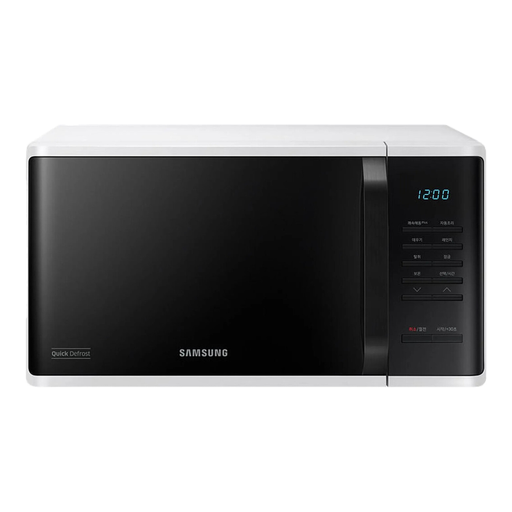 Image unavailable
This solo microwave is suited to reheating or defrosting, rather than automatically replacing an oven and hob. It has a stated capacity of 23 L. Check the clearance requirements in the instructions before deciding where to put it.
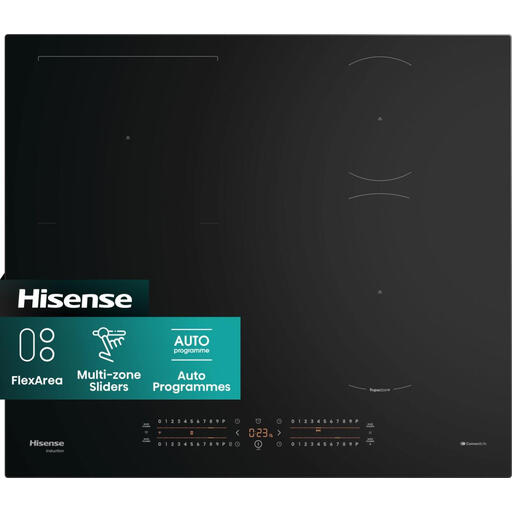 Image unavailable
This built-in hob is designed for a kitchen where the worktop cut-out and connection can be adapted to suit the model. Its stated width is 60 cm. Check the exact installation dimensions and electrical requirements in the instructions against your existing unit and installation.
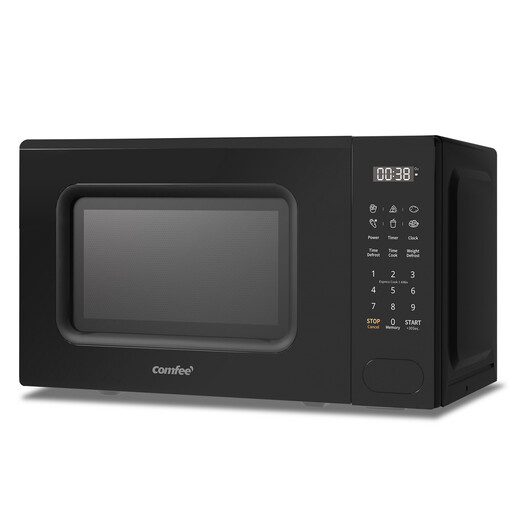 Image unavailable
Consider this if a worktop microwave suits your reheating and defrosting needs. The product name lists six pre-set menus and 11 power levels. Measure the space and check the instructions for the clearance needed for ventilation.
 Image unavailable
Its four zones let you cook with several pans at once, provided your installation is compatible. The product name mentions a Boost function, touch controls and a residual heat indicator. Before buying, compare the cut-out dimensions and connection diagram in the instructions with your kitchen.
Don’t use an extension lead to connect these appliances. Promotelec specifies dedicated circuits for ovens, hobs and cookers, and advises against plugging an oven and another large appliance into an extension lead connected to a single socket. Check the existing circuit and the model’s instructions before installation.
Measure the niche and access space, then check the door opening, clearances and connection. Whirlpool recommends leaving enough space for heat to escape and not using an extension lead. Always follow the dimensions specified in the instructions for the oven you choose.
Not necessarily. The French decree of 24 March 1982 on ventilation in homes sets out ventilation requirements for kitchens and includes provisions for extractor hoods connected to an extraction system. Have the home’s ventilation and the layout of the proposed hood checked.
Have the gas installation and room ventilation checked before buying or making any changes. Cegibat explains that the requirements for a room with a gas cooking appliance depend in part on the windows and the home’s ventilation. A competent professional can assess your setup.
No. First check whether the appliance category and model are covered by the same labelling scheme. European Delegated Regulation (EU) No 65/2014 applies to domestic electric and gas ovens, as well as domestic electric cooker hoods. Compare the label information for products covered by the scheme, and check the product specifications for other useful details.