
Livraison le jour même ou le lendemain

Qualité garantie

Débloquez vos offres de bienvenue: Livraison GRATUITE | Jusqu'à -80 % | 30 jours d'essai gratuits à JoyPlus
Téléchargez l'application
A great oven dish is often the secret to a successful recipe, whether it's a perfectly golden gratin dauphinois or a rich, melt-in-your-mouth lasagna. But with so many options—ceramic, glass, or metal; round or rectangular—it can be overwhelming. The risk of a poor choice? Uneven cooking, a cleaning nightmare, and a storage headache.
This guide is here to demystify the process and help you find the baking dish that will become your go-to kitchen companion, whether you're preparing simple everyday meals or large family feasts.
Before you dive in, here are the essential points to check to ensure you make the right choice.
The choice of material is crucial: it directly impacts heat distribution and, consequently, the success of your dishes.
The ideal shape depends primarily on your go-to recipes.
Also, consider capacity. Do you cook for one, for two, or for a large crowd? Investing in a set of oven dishes of different sizes quickly proves to be essential to be ready for any occasion.
For everyday use, easy maintenance is a necessity, not a luxury. Always check for dishwasher compatibility. If your cupboards are overflowing, opt for stackable models to maximise space.
We've selected three models that stand out for their versatility, quality, and value for money.
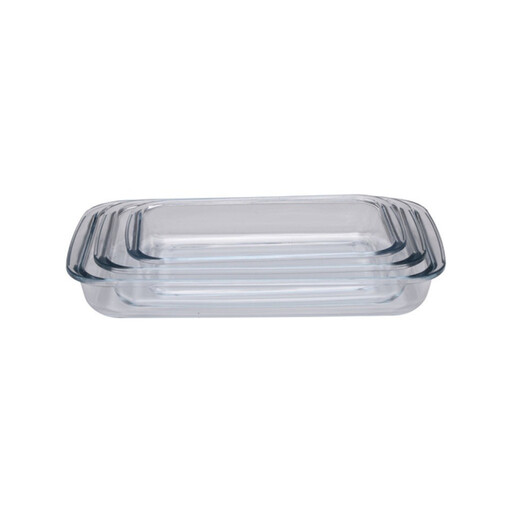
Why it stands out: This trio of ceramic dishes in complementary sizes is the perfect solution for getting equipped smartly. Their main advantage? They nest perfectly, a real bonus for small kitchens.
Key Strengths:
Who is it for? For those who want to get fully equipped in one go with a versatile, smart, and effective set, without sacrificing cooking quality.
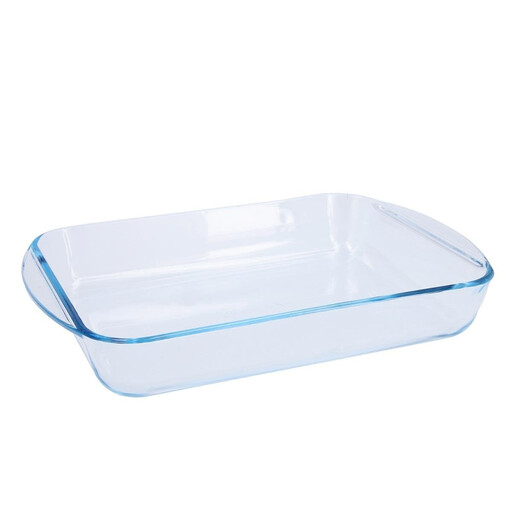
Why it stands out: This is the gold standard. This borosilicate glass lasagna dish is a staple in family kitchens, as reliable as it is sturdy. Its large size is perfect for gratins, roasts, and oven-baked vegetables.
Key Strengths:
Who is it for? A must-have for large families and anyone who loves to entertain. A multi-functional dish that will take you from prep to serving, and even to storing in the fridge.
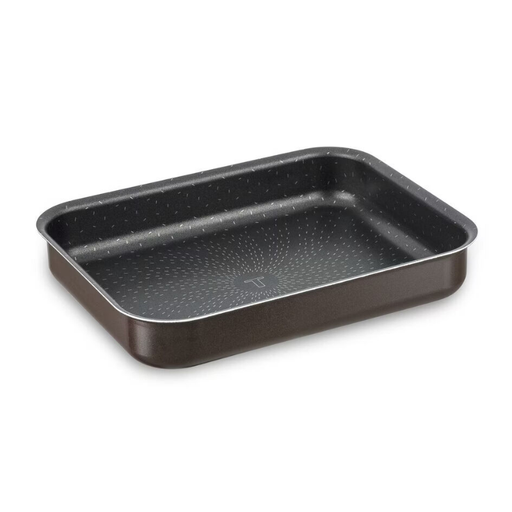
Why it stands out: This Made in France dish combines the thermal conductivity of recycled aluminium with an ultra-effective non-stick coating. The result: perfectly browned food and flawless release every time.
Key Strengths:
Who is it for? For anyone who prioritises everyday convenience. Ideal for guaranteeing successful cooking and lightning-fast cleanup, even with the most delicate dishes.
You might find your perfect match in another size or material. Every kitchen is unique!
? Discover our full range of oven-safe glass and much more.
The main difference lies in heat management. Ceramic heats up more slowly but retains heat for a very long time (excellent heat retention), which ensures gentle, even cooking. Glass is a poorer heat conductor, but its transparency is a real plus for keeping an eye on the cooking process. It is also very scratch-resistant and completely non-porous.
Absolutely not! This is the surest way to cause thermal shock and see your dish crack or even shatter, whether it's glass or ceramic. The golden rule: always let it return to room temperature for a few minutes before putting it in the oven.
For a casserole dish where everything has stuck, forget the abrasive sponge that would scratch the surface. The solution: fill the dish with hot water, add a tablespoon of baking soda (or dish soap), and let it soak for an hour or, ideally, overnight. The residue will then lift off effortlessly with a soft sponge.