What should you consider when comparing the options?
Built-in oven and separate hob
Consider this if: you want to choose your oven and hob separately to suit the meals you usually cook.
Bear in mind: you’ll need a suitable cabinet for the oven and should check the installation requirements for both appliances.
Cooker
Consider this if: you’d prefer one appliance that combines an oven and hob.
Check: its dimensions, hob type and connection requirements. Combining the functions doesn’t mean you can skip these checks.
Compact models
Consider this if: space is limited or you don’t use your oven very often.
Check: that it has enough capacity for your dishes and the functions you need. A mini oven and a combination oven may not suit the same uses.
Once you’ve chosen a set-up, compare each model against these four needs: installation, cooking functions, space and everyday use.
| Criteria |
What to check |
Who it matters to |
| Space and connection |
Measure the cabinet or available space, then check the model’s power requirements and connection instructions against your existing installation. |
If my space or electricity supply comes with restrictions, I need to know whether the appliance can be installed there before comparing its functions. Around 33% of consumers would put this compatibility check first. |
| Capacity and cooking functions |
Compare the oven’s capacity, cooking modes and usable shelf positions with the dishes you regularly prepare. |
To make a variety of meals or cook several dishes, I need an oven with the right capacity and functions for what I cook. Versatility would be the top priority for around 27% of consumers. |
| Compact size |
Check the internal dimensions and what the model can do, including cooking, reheating or defrosting. |
When space is limited in my kitchen, I’m looking for an appliance small enough to fit the space available without ruling out the dishes I cook most often. Around 20% of consumers would prioritise size. |
| Energy and cleaning |
Check the energy information that applies to the oven, its cleaning method and, if available, the results of tests on the model. |
When I cook often, I want to understand how much energy it uses and how easy it is to clean over time. Around 20% of consumers would put these considerations first. |
For new domestic ovens covered by the scheme, the French Ministry of the Economy describes the energy label as a useful comparison tool. It complements, but doesn’t replace, checking the dimensions and cooking functions. Que Choisir’s built-in oven tests measure factors including temperature, preheating and energy consumption. Check the results for the specific model you’re interested in.
A built-in oven and electric hobs
These products let you compare a built-in oven, two four-zone hobs and a portable single-zone hob. A portable hob is suited to more limited needs than a multi-zone hob. Choose a set-up to suit your available space and the meals you usually cook.
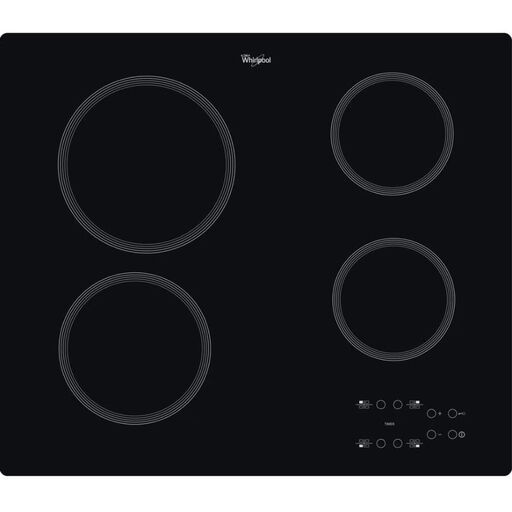 Image unavailable
Whirlpool AKT 801-NE, 4-zone ceramic hob
Worth considering if you’d like several cooking zones for preparing meals. Check the built-in dimensions and connection requirements for this model before choosing it.
View on Joybuy
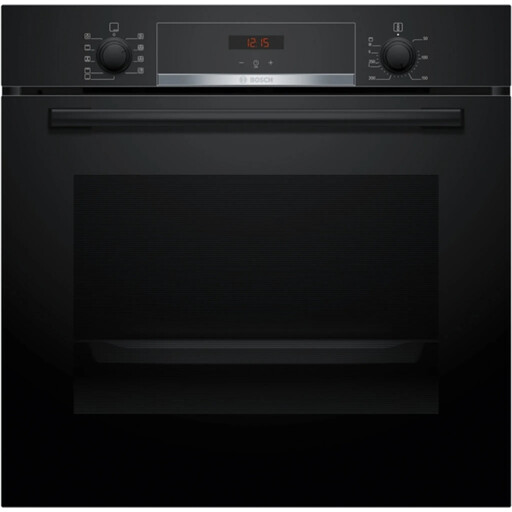 Image unavailable
Bosch HBA514BB3, 71 L built-in oven
Worth looking at if you regularly cook dishes in the oven and have a suitable built-in space. The product title lists a 71 L capacity and a 3D hot air function. Confirm the oven’s configuration in the model documentation, then check the intended recess and connection.
View on Joybuy
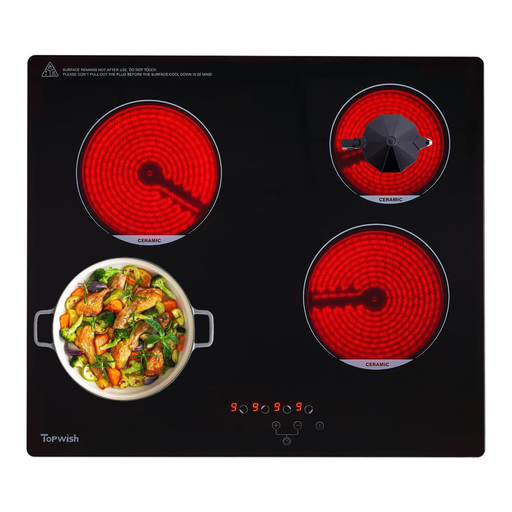 Image unavailable
TOPWISH, 4-zone built-in ceramic hob, 60 cm
Worth comparing if you’re looking for a built-in hob with several cooking zones. The product title lists four zones, touch controls and a 60 cm format. Check the power requirements and zone layout in the model documentation before having the connection assessed.
View on Joybuy
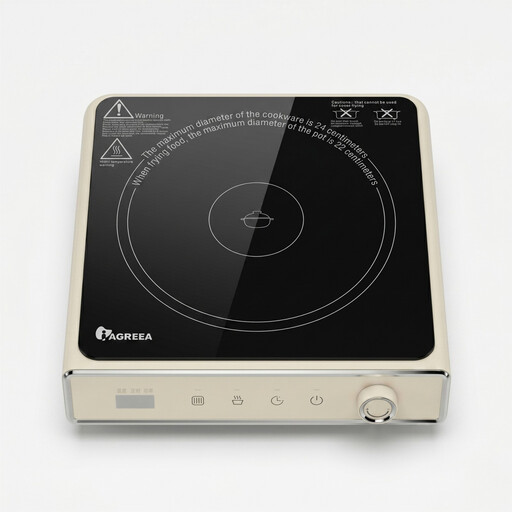 Image unavailable
IAGREEA DF200-DTL2520, 2000 W portable electric hob
Worth considering for occasional cooking or if you only need one zone. This portable hob is no substitute for an oven or a multi-zone hob. The product title lists 2000 W and eight power levels; check the voltage and usage instructions for your installation.
View on Joybuy
Frequently asked questions
Can I connect an oven or hob to my existing electrical installation?
Don’t assume you can: the connection depends on the appliance and the actual electrical installation in your home. Promotelec points out that some high-power domestic appliances need dedicated circuits. Check the manufacturer’s instructions and have your installation assessed for compatibility before buying.
Can a compact oven replace a built-in oven?
Yes, if its capacity and functions are suitable for the dishes you prepare, but it won’t necessarily cover every type of cooking. The study referenced by ADEME looks separately at cooking, reheating and defrosting in combination microwave and convection ovens. Compare these uses and the model’s internal dimensions with your needs.
What does an energy label tell me about a new oven?
It helps you compare energy information for the new domestic ovens covered by the scheme. The French Ministry of the Economy says these appliances are among the products covered by the energy label. Check the label and product details for the model, but don’t use them to judge its capacity, cooking performance or suitability for your kitchen.
Is pyrolytic cleaning useful for every household?
Not necessarily. Its benefits depend on how often you use and clean your oven. Que Choisir highlights the effectiveness of this cleaning method. Compare it with other cleaning options, but don’t let this feature alone determine which oven you choose.


