
Livraison le jour même ou le lendemain

Qualité garantie

Débloquez vos offres de bienvenue: Livraison GRATUITE | Jusqu'à -80 % | 30 jours d'essai gratuits à JoyPlus
Téléchargez l'application
Protecting your home, monitoring your garden, or simply ensuring a package was delivered safely?: there's no shortage of reasons to install an outdoor camera. But with a jungle of models on the market, how do you make the right choice?? This guide is here to help you cut through the noise and find the outdoor Wi-Fi security camera that truly fits your needs, without getting lost in marketing jargon.
Before diving into our top picks, let's review the key factors that will make all the difference in making an informed decision.
This is the first decision you'll need to make, and it will determine both the installation process and the maintenance of your camera.
This is the heart of the matter?: a blurry image is useless. To identify a face or read a license plate, clarity is crucial.
Where will your valuable footage be saved??
Enough theory, let's get to the practical side?! Here are the models that caught our attention, each tailored to a specific need.
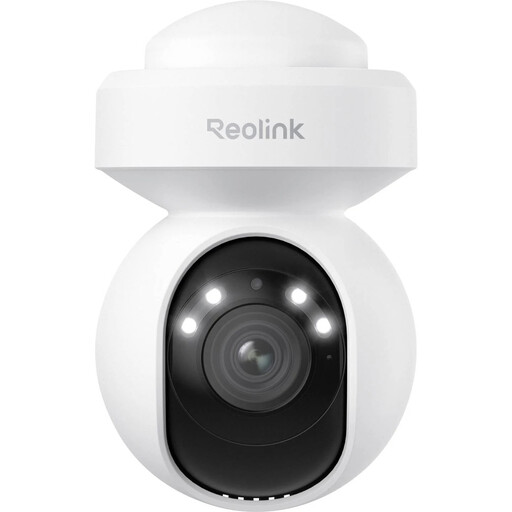
Why It Stands Out
This motorized PTZ (Pan-Tilt-Zoom) dome camera provides active 360° surveillance. Its ability to pan (355°) and tilt (50°) covers vast areas with no blind spots. Its real standout feature is the 3x optical zoom, which magnifies the image without any loss of quality, unlike digital zoom. The icing on the cake is its dual power option (battery or mains) for maximum flexibility.
Key Features
Who Is It For??
Ideal for those who need to monitor a large property, garden, or parking lot, with the ability to track movement and zoom in on crucial details.
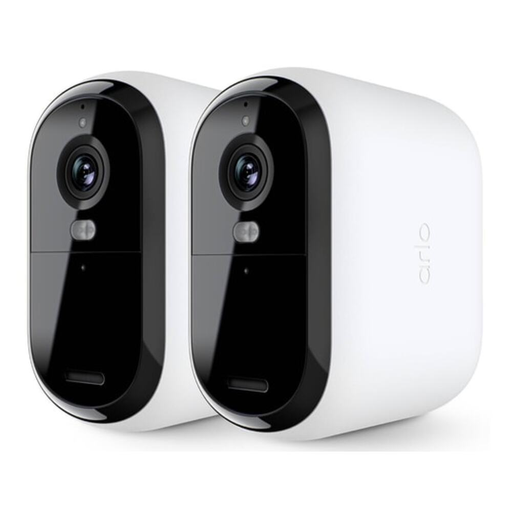
Why It Stands Out
Arlo needs no introduction, being a benchmark in the market for its high-quality products and user-friendly ecosystem. This two-camera Essential 2 XL pack is all about battery life and ease of installation. The XL battery promises record-breaking endurance, significantly reducing the frequency of recharges. The 2K image quality and color night vision ensure flawless surveillance, day and night.
Key Features
Who Is It For??
Perfect for those looking for a "set and forget" solution for multiple access points, without worrying about cables and with minimal maintenance. Be aware, however?: to unlock its full potential (object detection, activity zones...), an Arlo Secure subscription becomes necessary after the trial period.
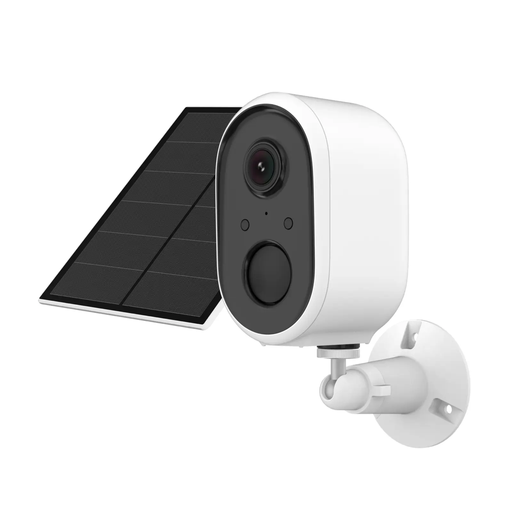
Why It Stands Out
This solar-powered Wi-Fi camera embodies the promise of 100% autonomous surveillance. Thanks to its solar panel, it continuously recharges its battery, making it perfect for locations without a power outlet. Its major advantage is its integration with the universal TUYA ecosystem (via the Smart Life app). This allows it to communicate with thousands of other smart devices, without locking you into a single brand's ecosystem.
Key Features
Who Is It For??
Recommended for users seeking a sustainable, low-maintenance solution for well-sunlit areas, and who appreciate the open TUYA ecosystem for creating scenes with other smart home devices.
None of these models check all your boxes?? That's normal—every setup is unique. To explore a wider range of solutions, especially for specific needs like monitoring a driveway, feel free to browse our dedicated category.
? Discover more models in our Driveway Security Camera category
The law is very clear?: you are allowed to film the interior of your property (house, garden, private driveway), but it is strictly forbidden to film public streets or your neighbors' property, even partially. If you employ domestic staff (home help, gardeners, etc.), you must inform them of the cameras' presence. A visible sign indicating video surveillance at the entrance of your property is also highly recommended.
Absolutely. It's the ideal solution for controlling your budget and maintaining ownership of your personal data. These cameras save videos to a local microSD card. The only downside?: if the camera is stolen, so are the recordings. Cloud subscriptions, while they come with a fee, keep your videos safe on a remote server, making them accessible even if the camera is destroyed or stolen.
Yes, but its efficiency will naturally be lower. With shorter days and less intense sunlight, the solar panel generates less energy. To optimize its performance, place the panel where it will capture the most direct sunlight, even in winter. Also, consider fine-tuning the detection settings to avoid unnecessary triggers that drain the battery. Most models include a USB port for a manual top-up charge if needed.