
Livraison le jour même ou le lendemain

Qualité garantie

Débloquez vos offres de bienvenue: Livraison GRATUITE | Jusqu'à -80 % | 30 jours d'essai gratuits à JoyPlus
Téléchargez l'application
Lighting up your garden, patio, or balcony without running a single cable or increasing your electricity bill: the promise of outdoor solar lights is undeniably appealing. Quick installation, free energy... on paper, it's the perfect plan. But in reality, disappointment is often just around the corner: a string of lights that dies at the first downpour, laughable battery life that leaves you in the dark before your evening drinks are even over, or plastics that turn yellow and crack after just one summer.
To avoid bad deals and buyer's remorse, you just need to know the marketing traps and focus on a few technical specs that don't lie. We'll explain everything.
The market is flooded with products making tempting promises. Unfortunately, not all are created equal. Here are the key points to watch out for to avoid making a mistake.
To select a reliable solar garden light, focus on these three technical characteristics. They are the true indicators of the product's quality and durability.
This international standard classifies a device's resistance to dust and water. It's read with two digits, but for outdoor use, the second one is our main concern.
Battery life doesn't just depend on the battery itself, but on the perfect balance between its storage capacity and the solar panel's charging power.
The lifespan of your lamp is decided here. Prioritise materials that are built to last: UV-treated ABS plastic (essential to prevent yellowing), aluminium, or stainless steel. For an outdoor solar string light, check the robustness and flexibility of the cable to ensure it doesn't snap in the first gust of wind.
Rather than a generic list, we've matched specific products to concrete needs. Each option is chosen for its ability to meet a precise use case while avoiding common pitfalls.
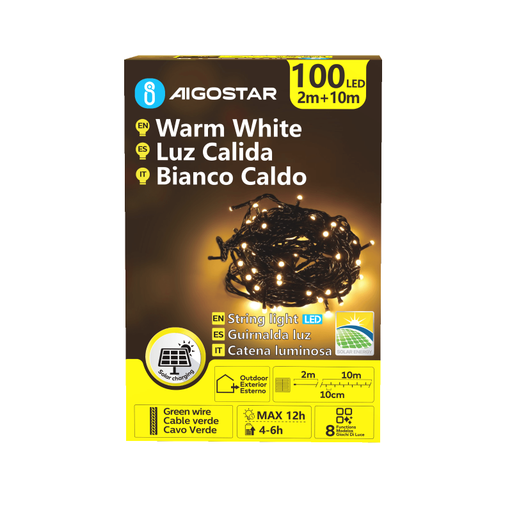
Why this one? Essential for giving a festive feel to a pergola, a balcony, or your summer evenings. Its 10 metres of warm light create an instantly welcoming atmosphere, and its different lighting modes adapt to the mood of the moment.
It openly states its IP65 rating, guaranteeing it can withstand real weather, unlike cheap string lights that burn out at the first downpour. Its 800 mAh battery is perfectly calibrated for its panel, ensuring reliable performance.
Its 8 lighting modes (steady, flashing, fade...) let you vary the ambiance. Installation is ultra-simple, hassle-free, and requires no tools.
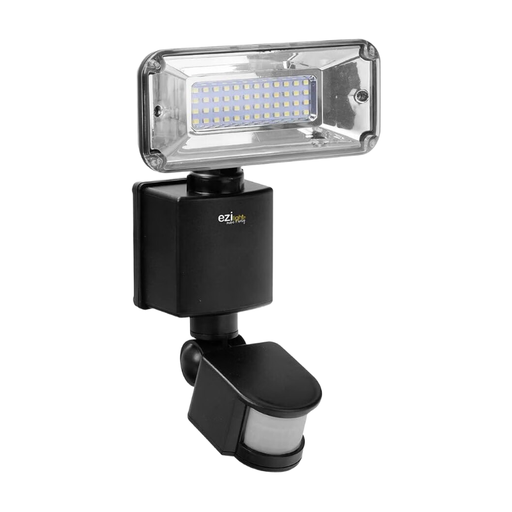
Why this one? Perfect for lighting up a garage entrance, a side door, or a driveway that's a bit too dark. This motion-activated spotlight only turns on when needed, optimising its battery life while also acting as a deterrent.
This one is all about efficiency, not just looks. It avoids the trap of "security lights" that look good but provide no real illumination, by focusing on a powerful beam and motion detection that actually works.
Its adjustable head lets you direct the light exactly where you need it. Its robust design is made to last outdoors, worry-free.
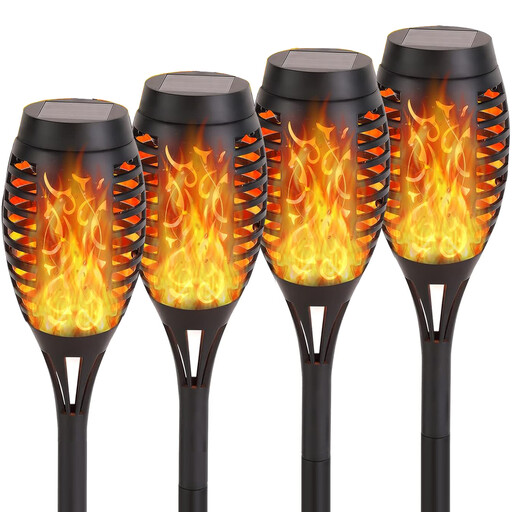
Why these? Ideal for marking a pathway, highlighting a flowerbed, or simply creating a warm ambiance on the lawn. The flickering flame effect is stunningly realistic and adds a decorative touch that is both original and comforting.
IP65 certified, these torches are not afraid of automatic sprinklers or heavy rain—the usual weak point of budget solar bollards. Their stake is designed for a solid hold in the ground.
The truly realistic flame effect creates a unique atmosphere. The set of 4 allows you to create harmonious pathway lighting and beautifully adorn a space.
Take a look at our complete selection of models that meet our criteria for quality and durability.
It all depends on two components: the battery and the LEDs. The LEDs are virtually eternal (over 20,000 hours). It's the battery that wears out first. A good Lithium-ion model will last between 2 and 4 years before its battery life seriously declines. Be aware that on most consumer-grade models, the battery is not replaceable.
Don't panic! Before declaring it dead, check these few points:
Yes, but expect reduced performance. With shorter days and a weaker sun, the battery charges less. The battery life in the evening will therefore be shorter than in the middle of summer. Models with good monocrystalline panels and a lithium battery always fare better when light is scarce.