
Livraison le jour même ou le lendemain

Qualité garantie

Débloquez vos offres de bienvenue: Livraison GRATUITE | Jusqu'à -80 % | 30 jours d'essai gratuits à JoyPlus
Téléchargez l'application
The idea of an outdoor solar light is appealing: no cables to run, no increase in your electricity bill, and an installation process anyone can handle. Yet, the promise often ends in disappointment. A string of lights that gives up the ghost after the first downpour, a torch whose glow fades after just two hours… The cause of these frustrations? Technical details that manufacturers often fail to clarify on the packaging.
Before you commit, here are the three most common pitfalls to be aware of to make an informed and, most importantly, durable choice.
To transform your outdoor space without any unpleasant surprises, focus on a few objective technical specifications. These are the true guarantors of the quality and durability of an outdoor solar light.
The Ingress Protection, or IP, rating is an international standard that classifies a device's level of protection against solid objects (dust) and liquids (water). This is a non-negotiable criterion.
A powerful solar light, capable of illuminating your garden all night, relies on the perfect balance between two components:
The lifespan of your lighting directly depends on the quality of its construction. Pay close attention to the materials:
Every space and every need calls for a different lighting solution. Here are a few common use cases and the products that meet them, taking into account durability and performance criteria.
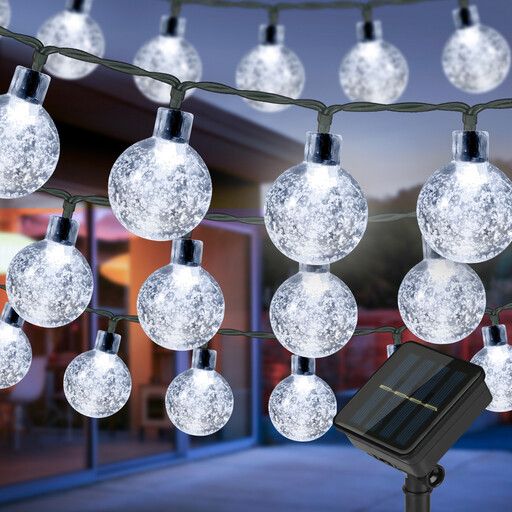
Why we chose it: Ideal for creating an outdoor solar light decoration on a large terrace, along a pergola, or for an event. Its 11-meter length and 60 LEDs provide generous coverage for an immersive atmosphere.
Its IP65 certification guarantees foolproof waterproofing, unlike low-end string lights. The manufacturer highlights high-efficiency solar conversion technology, ensuring a better charge and therefore more reliable battery life.
Its long length (11 m) for wide decorative coverage and its 8 lighting modes to vary the ambiance.
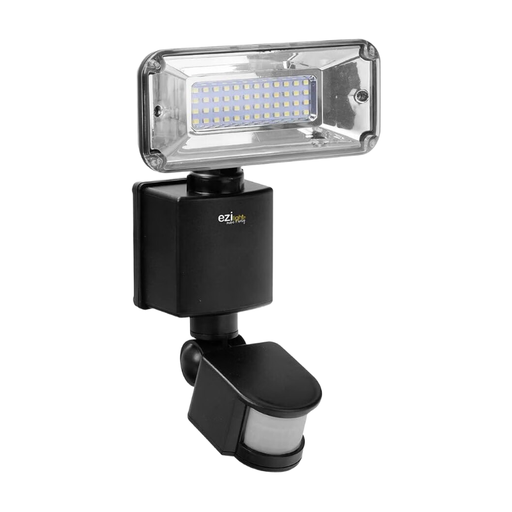
Why we chose it: This outdoor solar spotlight is designed for efficiency and security. It's perfect for illuminating a front door, a garage, or a dark passageway as soon as motion is detected, providing lighting that is both practical and a deterrent.
The built-in motion detector bypasses the battery life trap: the light only consumes energy when necessary, preserving its battery to operate throughout the night. Its robust design is intended for long-term security use.
Automatic activation via motion detection and an adjustable head to precisely target the area to be lit.
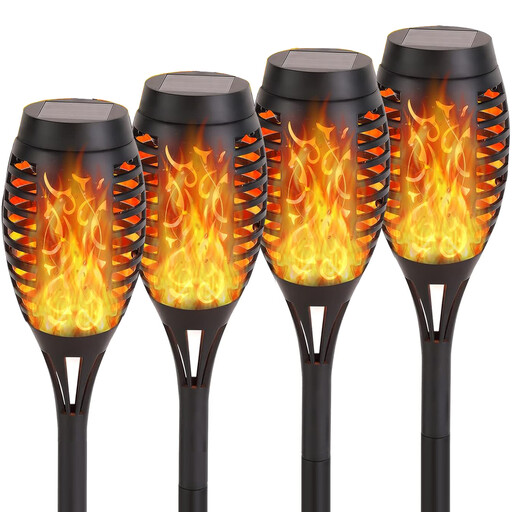
Why we chose it: This solar garden torch is perfect for marking a path or creating a warm, inviting atmosphere on a terrace. The dancing flame effect adds a touch of originality without the hassle or risks of a real fire.
With its IP65 protection rating, this torch is designed for long-lasting resistance to the elements. Unlike fragile decorative gadgets, its construction is built for extended use in the garden.
Flickering flame effect for a unique ambiance and ultra-simple installation thanks to the stake that plants directly into the ground.
We have compiled a complete and up-to-date selection of products that meet these strict selection criteria and safety standards.
The lifespan mainly depends on two components: the battery and the LEDs. Generally, a good quality rechargeable battery will maintain decent performance for 2 to 3 years (or 600 to 800 charge cycles). The LEDs, on the other hand, have a very long lifespan (often over 10,000 hours) and almost always outlive the battery. If the model allows, replacing the battery can therefore significantly extend the life of your light.
Yes, but with reduced performance. Modern solar panels can charge even in low light, but the charging time will be longer and the accumulated energy will be less. In winter, with shorter and less sunny days, expect shorter battery life than in the middle of summer. To optimize charging, make sure the panel is clean and well-positioned to capture the maximum available light.
For a result that is both aesthetic and functional, start by placing the solar panel in the sunniest area of your garden or balcony, ideally facing south. Before securing the string lights, unroll them completely to avoid knots. Hang them starting from the point furthest from the panel. Use small hooks, discreet cable ties, or gently wrap them around branches or a railing for a secure hold and a neat finish.