
Livraison le jour même ou le lendemain

Qualité garantie

Débloquez vos offres de bienvenue: Livraison GRATUITE | Jusqu'à -80 % | 30 jours d'essai gratuits à JoyPlus
Téléchargez l'application
By our product experts | Published July 22, 2026
The desire to light up a garden, patio, or pathway often runs into two major hurdles: the complexity of electrical installation and its impact on your energy bill. Outdoor solar lighting emerges as the ideal solution—practical, cost-effective, and eco-friendly. Completely wireless, it captures the sun's energy during the day to light up as if by magic once night falls.
With a vast array of choices on the market, it can be difficult to know where to start. This guide is here to help you navigate the options: we'll break down the essential criteria and present a selection of products tailored to every need, whether for garden decoration, pathway lighting, or home security.
Before you take the plunge, a few technical points deserve your attention. They are key to ensuring the effectiveness and longevity of your setup.
The first and most important step is to identify your needs. Solar lighting solutions generally fall into three main categories:
A product designed to stay outside all year round must be waterproof and weather-resistant. This is where the Ingress Protection (IP) rating comes in—an international standard that tells you exactly that. It consists of two digits:
For outdoor use, an IP44 rating is the bare minimum (protection against water splashes). For better durability and direct exposure to rain, aim for an IP65 rating or higher.
The battery life of a solar light depends on two factors: the capacity of its battery and the amount of sunlight its photovoltaic panel receives. Most models offer between 6 and 12 hours of light on a full charge. Some products feature different modes (variable intensity, flashing, etc.) that logically affect this duration. To maximise the charge, remember to position the solar panel in a clear, open area, ideally facing south.
We have selected several models that stand out from the crowd, each brilliantly meeting a specific need.

Why it stands out: Its copper wire gives it great flexibility, allowing it to be easily wrapped around branches, railings, or garden furniture. Its 8 lighting modes offer welcome versatility to adapt the ambience for any occasion.
Key features:
Who is it for? Ideal for anyone looking for a simple and effective garden decoration solution to light up summer evenings, parties, or holiday displays.
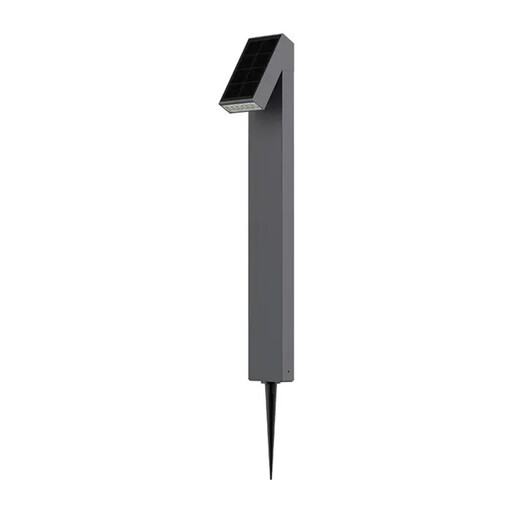
Why it stands out: Its angular, minimalist design integrates perfectly into contemporary outdoor spaces. The installation, simply staking it into the ground, makes it incredibly easy to set up.
Key features:
Who is it for? Perfect for homeowners or renters who want functional yet stylish pathway or garden lighting, all without a single cable.
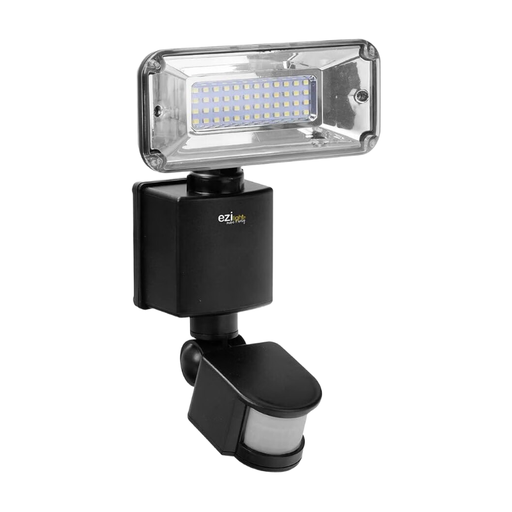
Why it stands out: This outdoor solar floodlight combines powerful illumination with a responsive motion detector. It's an excellent deterrent, as well as a convenient feature for high-traffic areas.
Key features:
Who is it for? Essential for securing an entrance, garage, yard, or any area that requires powerful, instant light as soon as motion is detected.
The world of solar lighting is much broader. If you're preparing for the holidays or are tempted by smart, fully customisable solutions, other product ranges are available to you.
? Discover our selection of smart outdoor Christmas lights for even more spectacular decorations.
Yes, modern solar panels can capture light even when the sky is overcast. Naturally, the charging time will be longer, and the nightly battery life may be reduced compared to a bright, sunny day. In winter, shorter days also decrease the lighting duration.
It depends on the quality of its components. LEDs, for example, have an exceptional lifespan, often exceeding 30,000 hours. The weakest link is usually the rechargeable battery: expect it to last 2 to 4 years before a potential replacement, depending on the product's quality and the frequency of charge/discharge cycles.
Maintenance is virtually non-existent. Simply clean the surface of the solar panel regularly with a soft, damp cloth to remove dust, pollen, or debris that could hinder its charging. Also, make sure that surrounding vegetation doesn't cast a shadow on it as the seasons change.