
Livraison le jour même ou le lendemain

Qualité garantie

Débloquez vos offres de bienvenue: Livraison GRATUITE | Jusqu'à -80 % | 30 jours d'essai gratuits à JoyPlus
Téléchargez l'application
Outdoor solar lighting has it all: an incredibly simple installation, zero impact on your electricity bill, and it's a great choice for the planet. The problem? The market is flooded with products offering wildly inconsistent performance. You can easily end up with string lights that die after the first downpour or a pathway that remains stubbornly dark.
To avoid buyer's remorse, it's best to know the common pitfalls. The story is often the same and boils down to three major disappointments:
Fortunately, you can avoid these issues by focusing on a few key technical specifications that never lie.
Forget the marketing hype and focus on three technical points. This is what separates a short-lived gadget from a smart investment in your solar garden lighting.
This two-digit number is a European standard that rates a device's resistance to dust (the first digit) and water (the second digit).
A light's runtime depends on two things: the battery's capacity to store energy and the solar panel's efficiency in converting it.
Luminous flux, measured in lumens (lm), must be suited to your needs:
To move from theory to practice, here are three models that perfectly illustrate how to choose a reliable product for a specific need.

Use Case: Marking a driveway or garden path without creating an obstacle. Its flat, ultra-durable design is built to withstand repeated traffic, including cars, while casting a warm, glare-free light.
It demolishes the superficial waterproofing problem with its IP66 rating. This guarantees perfect resistance to dust and powerful water jets, far exceeding typical standards.
Its durability and "hassle-free" installation. Once it's set in place, you can forget about it. It's the ideal solution for reliable lighting that's completely invisible during the day.
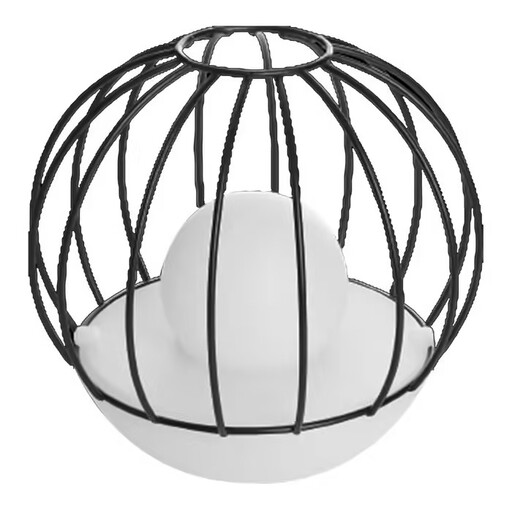
Use Case: Enhancing an outdoor space. Here, the goal isn't power, but style. It's perfect for adding a touch of character and soft ambient light to a patio, balcony, or flowerbed. It's a decorative object first and foremost.
It avoids the "disappointing brightness" trap because its purpose is purely decorative. Its original metal cage design is its main charm, creating a beautiful play of light and shadow.
Its bold design. Completely self-contained, you just have to place it to instantly transform the atmosphere, with no wires or installation required.
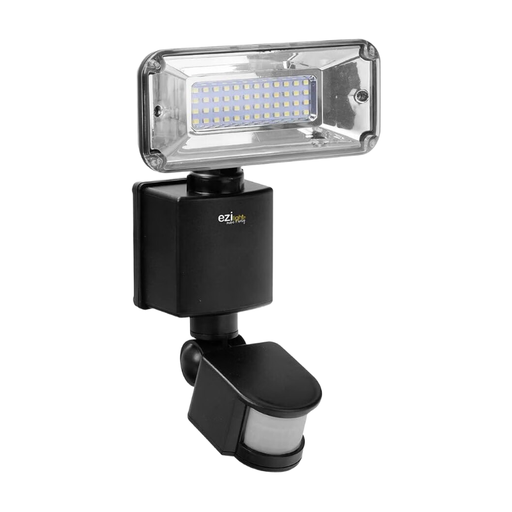
Use Case: Securing and illuminating effectively. This powerful spotlight is the solution for an entryway, garage, or a dark corner of the garden. Its motion detector triggers intense light only when needed.
It overcomes the limited battery life pitfall thanks to its smart motion detector. By remaining off most of the time, it saves all its energy to deliver powerful light at the crucial moment, even after a gloomy day.
Power on demand. Its adjustable head allows you to precisely target the area you want to illuminate, ensuring maximum security where it really counts.
Our full selection features products that meet our quality criteria and European safety standards.
Its lifespan primarily depends on its rechargeable battery. Generally, a quality battery will maintain good performance for 2 to 3 years. The LEDs themselves are virtually indestructible (over 10,000 hours). Pro tip: opt for models where the battery (often a standard AA or AAA Ni-MH) is easily accessible and replaceable.
Yes, but with reduced performance. A solar panel still captures light on overcast days, but charging is naturally less efficient. In winter, with shorter days and a lower sun, the nightly runtime will be naturally shorter.
Maintenance is minimal but crucial for performance. Simply remember to clean the solar panel's surface every two to three months with a damp cloth. Dust, pollen, or bird droppings can create a film that reduces charging efficiency. A clean panel guarantees an optimal charge.