
Livraison le jour même ou le lendemain

Qualité garantie

Débloquez vos offres de bienvenue: Livraison GRATUITE | Jusqu'à -80 % | 30 jours d'essai gratuits à JoyPlus
Téléchargez l'application
Outdoor solar lighting can transform a patio, pathway or entrance without requiring a single electrical cable. However, not all models are created equal: insufficient brightness, unreliable battery life or materials that deteriorate in bad weather can quickly turn a good idea into a disappointing purchase. Before choosing a solar garden light or an LED solar spotlight, a few simple criteria can help you avoid unpleasant surprises.
A high number of LEDs may seem appealing, but it is not enough to predict the final result. Brightness also depends on power, the optics, beam direction and battery capacity. A lamp fitted with 48 LEDs may be perfectly suitable for highlighting a tree or façade, while a decorative bollard will cast a softer light, ideal for marking out a pathway.
To compare two products, look at the information that really matters: lumen output, colour temperature, lighting angle and stated battery life. Warm light, usually around 2,700 to 3,200 K, generally creates a pleasant, gentle atmosphere. A more neutral white offers better visibility.
An waterproof solar light should be chosen according to its IP rating. The first digit indicates the level of protection against dust, while the second relates to water resistance. For example, IP66 provides excellent protection against dust and powerful water jets, but it does not mean that the light can be submerged.
Even with a high IP rating, avoid places where water tends to collect. Also follow the manufacturer's recommendations regarding impacts, cleaning and installation.
A wireless solar light remains entirely dependent on where it is installed. A panel placed beneath a tree, against a north-facing wall or behind a railing may not receive enough light to recharge the battery properly.
Observe the location at different times of day before placing your order. An area exposed to direct sunlight for several hours will always be preferable to a spot that is merely bright. In autumn and winter, shorter days may also reduce battery life during the night.
Solar lights generally contain a rechargeable battery, most commonly nickel-metal hydride or lithium. Check its capacity where stated, but also look at the available activation method: switch, light sensor or solar lighting with dusk sensor.
For an entrance or patio, automatic activation at dusk is particularly convenient. In a frequently used passageway, a model with a motion sensor can help reduce energy consumption, provided this feature is clearly mentioned in the product listing.
The right choice therefore depends on your aim: lighting a passageway, marking an entrance or simply creating a warm atmosphere outdoors.
ABS, metal, stainless steel and glass offer different appearances and levels of impact resistance. A spike-mounted bollard should be placed in sufficiently stable ground. A wall light, meanwhile, requires suitable mounting for the wall surface and the solar panel must be positioned correctly.
Regular cleaning with a soft cloth is enough to remove dust, pollen and deposits that could reduce recharging. Do not dismantle a light fitted with a lithium battery, and follow local instructions for recycling electrical and electronic equipment.
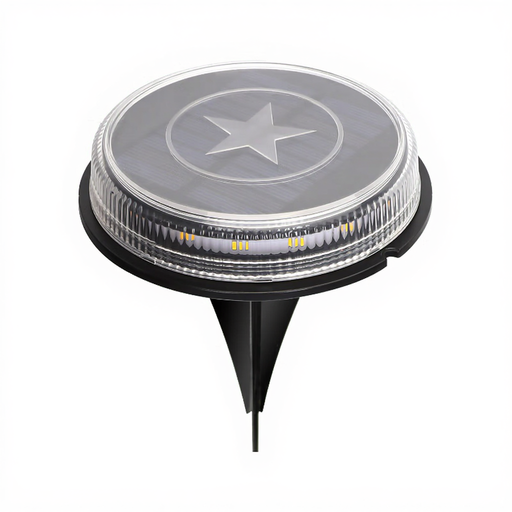
Why this choice suits this profile: Its round design and cable-free installation make it a great starting point for lighting a pathway, patio or border. Its warm 3,200 K light is subtle and pleasant.
The listing specifies IP66 protection and emphasises the importance of direct sunlight : two points to check before installation.
0.6 W solar panel, 500 mAh lithium battery, 360° lighting and IP66-rated construction.
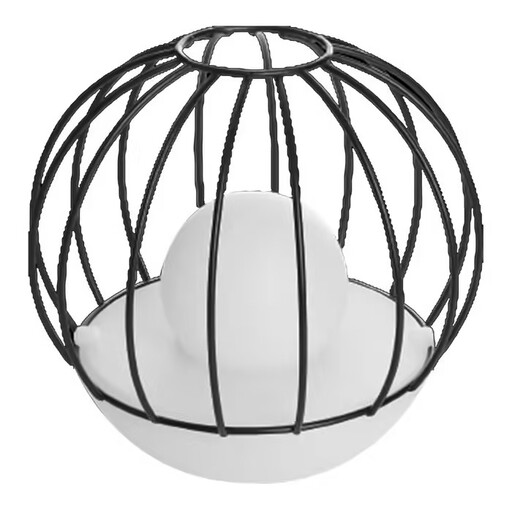
Why this choice suits this profile: Its cage-style structure and bright LED ball sit easily on a patio, in a courtyard or on an outdoor table when appearance matters just as much as lighting.
Its self-sufficient operation requires no wiring. However, the listing recommends a flat surface and advises against submerging the product.
Materials listed: metal, ABS and polycrystalline silicon. Automatic activation at dusk and soft LED light.
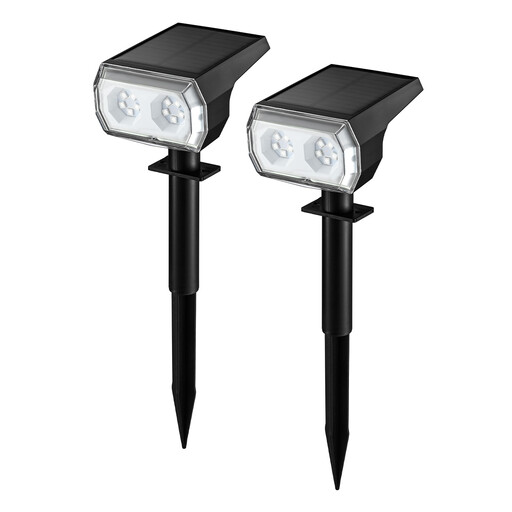
Why this choice suits this profile: This pair of spotlights can illuminate trees, walls or pathways, while also offering different effects for outdoor lighting decoration.
The listing details the RGB modes, automatic activation and adjustable angle, so its use is not limited to fixed lighting.
Two units, 48 RGB LEDs per spotlight, ABS housing, light sensor and ground or wall installation.
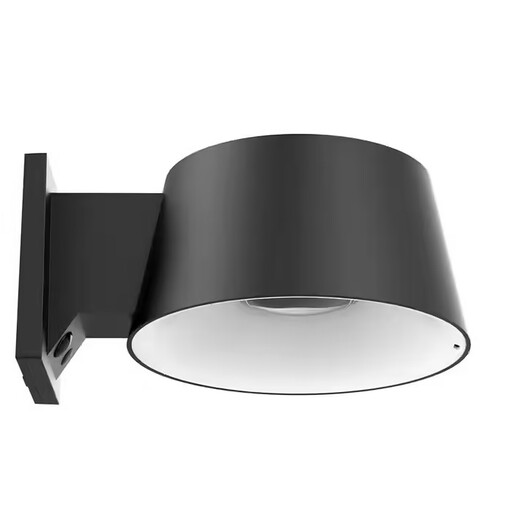
Why this choice suits this profile: This outdoor solar wall light is suitable for an entrance wall, patio, balcony or passageway requiring a beam directed downwards.
The listing emphasises wall mounting and direct exposure of the panel : two points to check before drilling into the surface.
Focused LED beam, integrated solar panel, installation without an electrical connection and weather-resistant materials according to the description.
We have put together a comprehensive, real-time updated selection of products that meet these strict criteria, as well as European safety regulations.
To ensure reliable operation, install the panel in an unobstructed area and clean it with a soft cloth. When using the light for the first time, switch it on if there is a switch, then allow the battery to recharge according to the instructions in the product listing.
Avoid placing a bollard in ground that is too loose, mounting a wall light on an unstable surface or putting a lantern somewhere exposed to impacts. If you are going away for an extended period, storing the light in a dry place may be preferable if recommended by the manufacturer.
The panel recharges the battery using daylight, without connecting to the mains electricity supply. Running costs are therefore limited to maintenance and the possible replacement of the battery or light at the end of its service life. Battery life varies according to sunlight levels, the season, battery capacity and the lighting mode used.
Choose a location exposed to direct sunlight for several hours, away from trees, tall walls and other obstacles. For a wall light, also check the type of wall and the strength of the mounting. A solar garden bollard is generally positioned along a pathway or border, while a spotlight can be directed towards a tree, façade or another landscaping feature.
It depends on the quality of the LEDs, the housing, exposure to the weather and the rechargeable battery. Regular cleaning, stable installation and following the usage instructions all help maintain the light's performance. Before buying, remember to check the length of the warranty and whether replacement parts are available.