
Livraison le jour même ou le lendemain

Qualité garantie

Débloquez vos offres de bienvenue: Livraison GRATUITE | Jusqu'à -80 % | 30 jours d'essai gratuits à JoyPlus
Téléchargez l'application
Properly lighting your garden, patio, or a pathway is enough to transform an outdoor space, making it safer and more inviting after dark. The problem?? Running cables, digging trenches, and hiring an electrician often turns into a complex and costly project. This is where outdoor solar lighting comes in: an autonomous, cost-effective, and much more eco-friendly solution.
But with an overwhelming number of options available, it's hard to know where to start. This guide is here to help you see things more clearly, breaking down the essential criteria for making the right choice and offering a selection of proven products—all without unnecessary jargon.
Before diving into the sea of models, it's crucial to define your needs. Three key criteria will help you effectively narrow down your search.
The ideal type of light will depend entirely on how you plan to use it.
The performance of a wireless outdoor light rests on two technical pillars:
An outdoor light must be able to withstand rain, dust, and temperature changes. To figure this out, the IP (Ingress Protection) Rating is the standard reference. It consists of two digits:
For an outdoor installation, an IP44 rating (protection against water splashes) is the bare minimum. For areas highly exposed to the elements, an IP65 rating or higher is highly recommended.
We have selected three models that stand out for their design, efficiency, and suitability for specific uses.
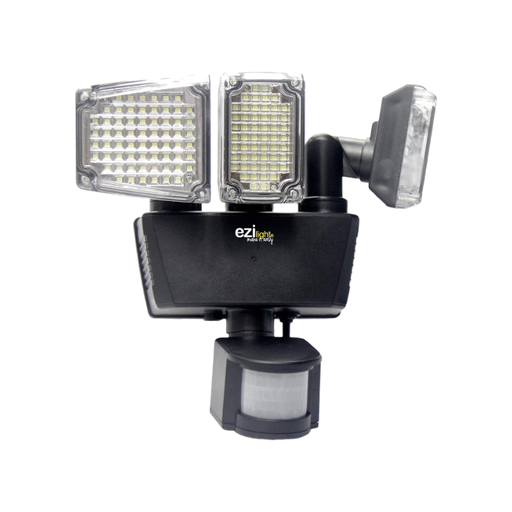
Why it stands out: The EZIlight Solar Pro 3 was designed to offer light coverage that is both wide and flexible. Its three independently adjustable LED heads allow you to direct light precisely where you need it: a large facade, a car park, or different corners of a garden. Its integrated motion detector makes it an excellent ally for security.
Key Features:
Who is it for? Ideal for those who want to secure large outdoor areas (facades, entrances, yards) with powerful, deterrent lighting that only activates when needed.
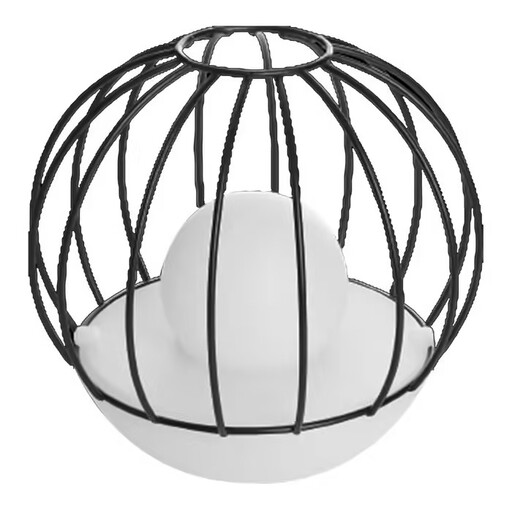
Why it stands out: Here, it's all about the design. The Solar DECOBALL is a true decorative object that enhances outdoor spaces. Its metal cage structure housing a luminous sphere brings a touch that is both contemporary and warm. Completely autonomous, you just need to place it on a table, a low wall, or even directly on the ground to instantly create ambient points of light.
Key Features:
Who is it for? For anyone looking to add an aesthetic touch and soft light to their balcony, patio, or garden with zero installation hassle.
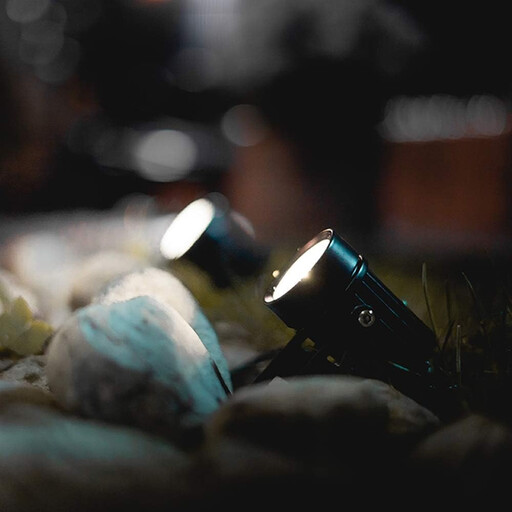
Why it stands out: The Solar MultiSpot is the cleverest solution for accent lighting. The concept? Several adjustable spotlights are connected to a single, remote solar panel. This brilliant setup allows you to place the panel where it gets the most sun, while positioning the spotlights even in shaded areas (under trees, near bushes) to sculpt the dimensions of your garden and highlight its best features.
Key Features:
Who is it for? For gardening enthusiasts who want to stage their outdoor space at night, precisely illuminating trees, flowerbeds, statues, or architectural details.
Our selection covers the most common uses, but every project is unique. If you're looking for a solar wall light to adorn a facade or another type of fixture, for example, there's no shortage of options.
? Discover our full range of outdoor solar wall lights
1. Does solar lighting work in winter or on cloudy days? Yes, modern solar panels can charge even on overcast days, although their efficiency is logically lower. The battery life will therefore be shorter than after a bright, sunny day. The trick is to always position the solar panel in the most open and best-oriented area possible, even in winter.
2. What is the lifespan of an outdoor solar lamp? It all depends on the quality of its components. LEDs, for example, have an exceptional lifespan, often exceeding 20,000 hours. The battery is the most sensitive component: expect an average of two to four years depending on its quality and your usage. Good to know: on many models, the battery is replaceable, which is an excellent point for sustainability.
3. Is any special maintenance required? Maintenance is virtually non-existent. It simply involves occasionally cleaning the surface of the solar panel with a soft cloth and a little water. This is enough to remove dust, pollen, or dead leaves that could hinder charging.