
Livraison le jour même ou le lendemain

Qualité garantie

Débloquez vos offres de bienvenue: Livraison GRATUITE | Jusqu'à -80 % | 30 jours d'essai gratuits à JoyPlus
Téléchargez l'application
Outdoor solar lighting has plenty going for it: no cables to run, generally quick installation and virtually no electricity consumption. However, some models disappoint after just a few weeks, with light that is too weak, a battery that quickly loses charge or a panel installed in a permanently shaded spot.
Before you go for solar garden spotlights or a solar wall light, it is therefore worth looking beyond the marketing promises and examining a few very practical criteria.
A high number of LEDs does not guarantee powerful lighting. The result also depends on the optical design, beam direction, battery and amount of time exposed to sunlight. A solar floodlight designed to illuminate a façade should not be chosen in the same way as a decorative solar garden marker.
To compare two models, check the available information on power, colour temperature, lighting angle and recommended use.
Even a well-designed outdoor solar light will operate for less time if its panel is beneath a tree, against a north-facing wall or behind a fence. Short, dull days also slow down recharging.
An installation facing an area that receives several hours of direct sunlight will generally deliver more consistent results.
The IP rating does not mean that the light can remain underwater. It indicates a defined level of protection against dust and moisture. A product described as IP66 waterproof solar lighting is resistant to dust and powerful water jets, but it is not designed for prolonged immersion.
Also check the manufacturer’s recommendations regarding impacts, frost, cleaning and storage.
The battery stores the energy collected during the day. Its capacity, expressed in mAh, is a useful indicator, but it cannot predict battery life on its own. You also need to consider the power of the LEDs, the selected lighting mode and the amount of light received by the panel.
Wireless solar lights are particularly practical for illuminating a path, patio or shed away from the mains electricity supply. For everyday use, choose a model with a clearly described switch or automatic sensor.
In a garden exposed to rain, choose at least a protection level suitable for outdoor use. The IP66 rating found on some models indicates enhanced protection against dust and pressurised water jets. However, it remains essential to follow the installation instructions and avoid areas where water can collect.

Why this choice suits this profile : Its round shape and wireless operation make it easy to install along a path, on a patio or beside a flower bed.
The product details mention IP66 protection and explain the charging conditions as well as panel maintenance.
Advertised warm light at 3,200 K, 0.6 W panel, 500 mAh lithium battery and 360° lighting.
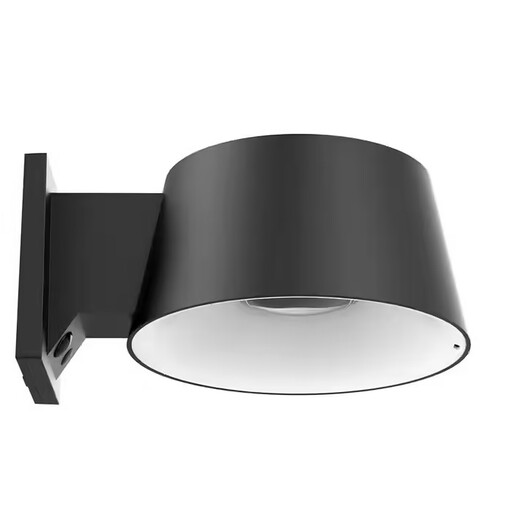
Why this choice suits this profile : This solar wall light has a clean, understated design that works well by an entrance, on a balcony or against a contemporary façade.
The wall-mounted design and downward-facing beam help prevent makeshift installations beside a pathway.
Integrated solar panel, cable-free installation and a concentrated LED beam to illuminate an entrance or pathway.
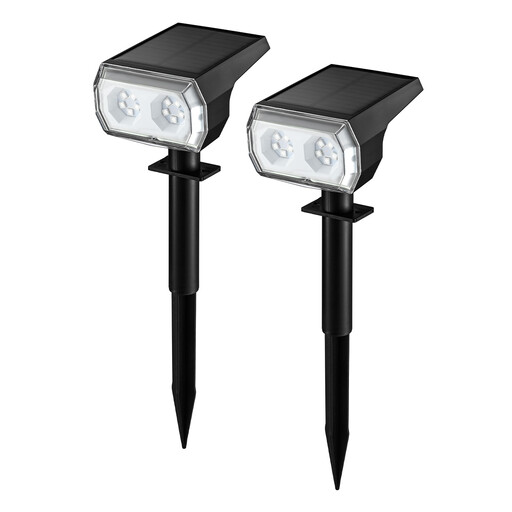
Why this choice suits this profile : This two-spotlight set is ideal for lighting trees, walls, flower beds and outdoor features that require several light sources.
The product details explain the RGB modes, light sensor, automatic activation and mounting options, both in the ground and on a support.
48 RGB LEDs per spotlight, ABS housing, adjustable angle and cable-free solar operation.
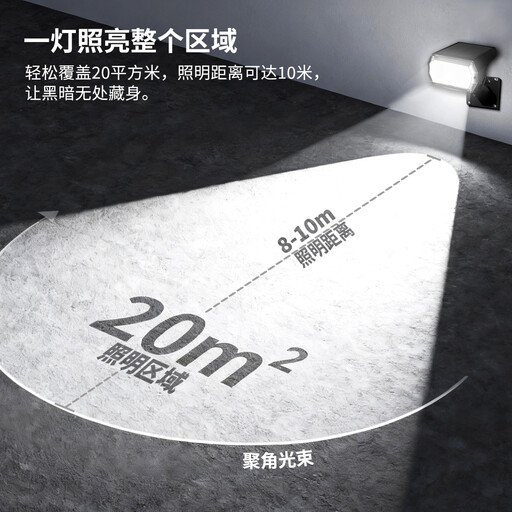
Why this choice suits this profile : Its warm white light makes it easy to highlight a façade, tree or landscape feature.
The twin-pack lets you spread the light sources around and avoid relying on a single beam.
48 LEDs per spotlight, warm light and a design intended for gardens, paths, walls and trees.
We have put together a comprehensive, real-time updated selection of products that meet these demanding criteria and European safety standards.
Install the panel in an unobstructed location and let it charge before first use. Point the spotlights towards the area to be illuminated and plant the markers in stable ground. For installation on a façade, choose a fixing suitable for the surface material.
Regular cleaning with a soft, slightly damp cloth removes dust, pollen and deposits. Abrasive products should not be used. If the light is to remain unused for a long period, follow the manufacturer’s storage instructions and never dismantle a lithium battery without the appropriate procedure.
Recharging uses solar energy and does not require connection to the mains electricity supply. Running costs therefore mainly depend on the purchase price, maintenance and, in the longer term, any battery replacement. Battery life varies according to sunlight levels, the season and the lighting mode used.
Place them in an area directly exposed to daylight, away from trees, tall walls and artificial lighting that could interfere with the dusk sensor. To mark out a path, space the lights evenly to avoid a succession of overly dark areas.
It depends on its IP rating and the manufacturer’s recommendations. An IP66 model is designed to withstand dust and water jets, but it must not be immersed. Correct installation, without pooling or constant run-off, remains essential.