
当日/次日达

品质保障

开启新人专享福利: 全场免邮 | 低至 2 折 | 免费试用 30 天 JoyPlus 会员
下载 Joybuy
Outdoor solar lighting is the ultimate hassle-free solution for illuminating your garden, patio, or balcony. No cables to run, no skyrocketing electricity bill: the promise is appealing. But be warned, the market is flooded with products making dazzling promises that often don't even last a single season. To help you avoid disappointment, we've broken down the common pitfalls and the criteria that truly matter before you buy.
Sorting through the jungle of options can quickly become a headache. Many models boast impressive specs on paper but hide serious design flaws. Here are the key things to watch out for:
To sidestep these traps, rely on objective data. Here are the three key criteria that truly make a difference in the quality and lifespan of a solar garden light.
The IP rating is an international standard that classifies a device's level of protection against solids (like dust) and liquids (like water). For reliable outdoor solar lighting, aim for a minimum rating of IP65.
Instead of taking advertised runtimes at face value, scrutinise two technical specs:
Finally, it all depends on how you plan to use them.
To put theory into practice, here are a few products that check all the boxes for durability and performance, tailored for specific uses.
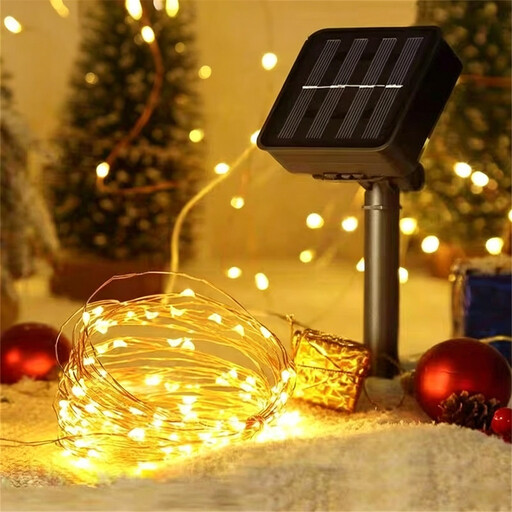
Why we love it: Perfect for creating a warm and cozy atmosphere. Its ultra-flexible copper wire weaves and wraps around anything: trees, pergolas, railings... The two-pack provides an impressive total length to decorate large areas effortlessly.
This model relies on clearly identified materials (copper wire and ABS housing) and a serious waterproof design, a far cry from flimsy gadgets. The memory function for the 8 lighting modes is a practical feature that's more than just a gimmick.
The main advantage? Nearly 30 meters of combined length in a single pack. It lets you go big without breaking the bank. The game-changing extra: the memory function that remembers your favorite mode. No more repetitive adjustments!
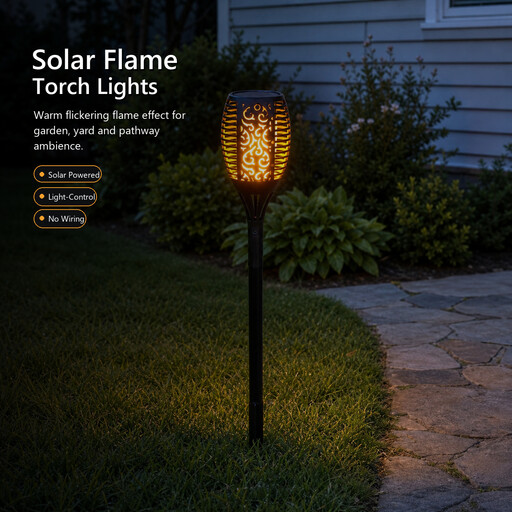
Why we love it: Ideal for lining a pathway, a flowerbed, or the corner of a patio with a touch of originality. These solar torches create a stunningly realistic dancing flame illusion for a warm and unique ambiance. Installation is a breeze with the simple ground stake.
Its IP65 certification is a mark of quality: this torch is built to withstand the elements, unlike many models that get waterlogged after the first storm. No empty promises, just a reliable, essential feature: it turns on and off automatically.
Its standout feature is undoubtedly the "dancing flame" effect generated by the 96 LEDs. The result is captivating and truly stands out from dull, static lights. It's the perfect compromise between useful pathway marking and a decorative piece in its own right.
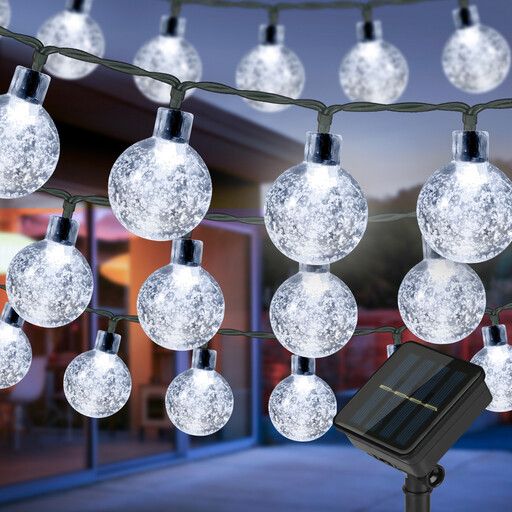
Why we love it: The crystal bubble design, paired with a "cool white" light, gives it a very contemporary and chic look. At 7 meters long, it's perfect for dressing up a balcony, a small patio, or highlighting a garden feature without being over the top.
Here again, the IP65 rating makes the difference and guarantees worry-free outdoor use, whatever the season. The manufacturer highlights a solar conversion rate of over 17%: a concrete figure that inspires much more confidence than vague promises of battery life.
Its versatility is its greatest strength. Between the 8 lighting modes and its modern design, it effortlessly transitions from a discreet ambient glow to a festive twinkle for your summer evenings.
Discover our full selection of products that meet our quality criteria and European safety standards.
1. What is the lifespan of outdoor solar lighting? The lifespan mainly depends on two components: the battery and the LEDs. The LEDs themselves last almost forever (tens of thousands of hours). It's the battery that will show signs of weakness first. Generally, a quality battery (Ni-MH or Lithium) will last 2 to 3 seasons before its capacity noticeably decreases.
2. My solar light won't turn on, what should I do? Don't panic! Before throwing it out, check a few simple things. Make sure the switch is in the "ON" position. Clean the solar panel with a soft cloth: a simple layer of dust can be enough to block the charge. Finally, ensure it's not in the shade of a tree or wall during the day. It needs its daily sunbath!
3. Do solar lights work in winter or on cloudy days? Yes, but expect reduced performance. Modern panels can capture light even in overcast weather, but charging is obviously less efficient than in direct sunlight. The runtime will therefore be shorter in winter or during long stretches of gloomy weather. This is why it's crucial to choose a model with a generous battery and a high-quality solar panel from the start.