
Livraison le jour même ou le lendemain

Qualité garantie

Débloquez vos offres de bienvenue: Livraison GRATUITE | Jusqu'à -80 % | 30 jours d'essai gratuits à JoyPlus
Téléchargez l'application
Lighting up your garden, patio, or balcony without inflating your electricity bill or dealing with messy cables? It's an appealing idea. That's the promise of the outdoor solar light: effortless installation, free energy, and a warm, inviting atmosphere. And yet, who hasn't been disappointed by a solar light that gives up the ghost after just one winter?
As the Head of Product Selections at Joybuy, my role is to guide you through the jungle of options to help you make a truly informed choice. Let's break down the common pitfalls that too often turn a promising purchase into a disappointment.
The 3 Pitfalls to Avoid When Buying Solar Lighting:
To avoid these traps, you just need to check a few key technical specifications. They are the best indicators of a product's real-world quality and durability.
The Ingress Protection (IP) rating is an international standard that classifies a device's level of protection against solids (dust) and liquids (water). For outdoor use in the UK, where the weather can be unpredictable, an IP65 rating is an excellent guarantee of peace of mind.
Ignoring this rating means risking having to replace your solar garden lighting every year.
Battery life is the most critical factor. It depends on the combination of the solar panel and the battery.
Most models include an automatic dusk-to-dawn sensor. This feature has become essential for optimising stored energy.
Before choosing, ask yourself the right question: are you looking to create an atmosphere or to illuminate a functional area?
Rather than an exhaustive list, here is a selection of products suited to specific user profiles, taking into account durability and performance criteria.
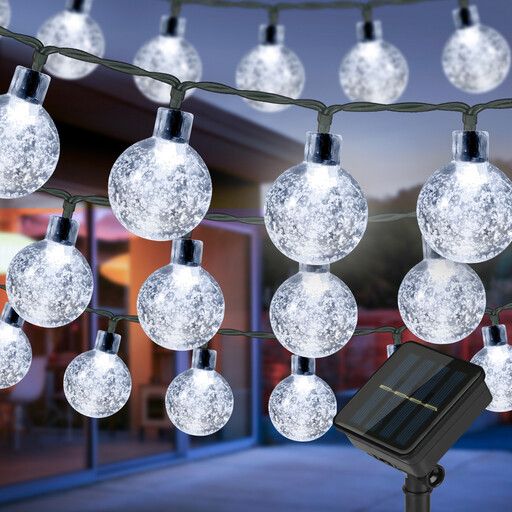
The Pitch: Perfect for creating a magical atmosphere on a balcony, pergola, or for a party, without any hassle. The crystal bubble design offers an elegant look, day or night.
With its IP65 certification, this string light is designed to withstand the elements all year round. No more falling into the trap of "waterproof" products that fail at the first sign of rain.
8 lighting modes to vary the mood and a battery life of 8 to 14 hours, enough to light up your patio from dusk till dawn.
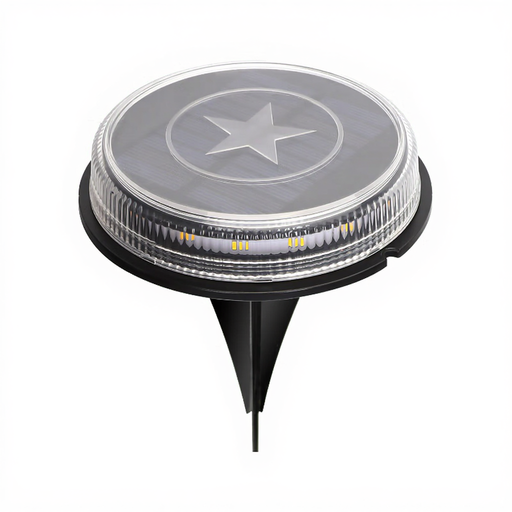
The Pitch: Ideal for marking a driveway, a wooden deck, or a garden path. Its flat, robust design fits discreetly into the ground for lighting that is both safe and contemporary.
It avoids the flimsy materials trap. Its structure is designed to withstand high pressure (like a car driving over it) and its IP66 rating allows it to face the harshest conditions.
Durability and discretion. Once in place, it's forgotten, all while providing reliable, maintenance-free pathway lighting.
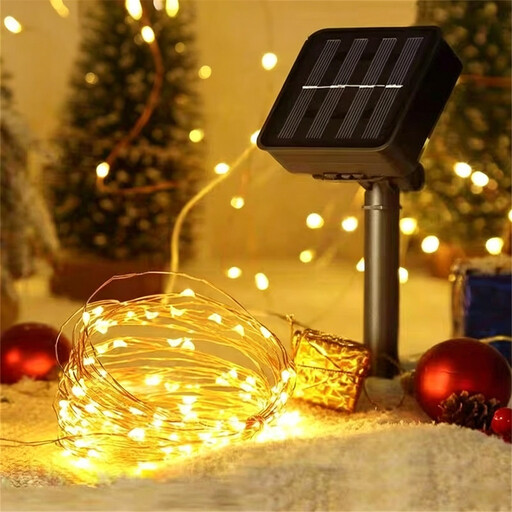
The Pitch: For those who think big. This set of two 15-metre string lights offers impressive length, perfect for decorating a large garden, wrapping around trees, or lighting up a fence for a wedding or a big family party.
It avoids the disappointing battery life trap thanks to a larger solar panel that optimises charging. The result: even with such a long length, the LEDs stay lit for 8 to 14 hours.
Flexibility and length. The copper wire can be shaped to your heart's content for custom creations. The two-pack offers an excellent length-to-price ratio for large-scale projects.
We've put together a complete selection of products that check all the boxes on our list: durability, performance, and standards compliance.
It depends on its two key components: the LEDs and the battery. LEDs have a very long lifespan (often over 20,000 hours). It's the rechargeable battery that will show signs of weakness first. Generally, a good quality model (Ni-MH or Lithium) will hold a charge for 2 to 3 years. The good news: on many lights, it's replaceable, which extends the product's lifespan accordingly.
Yes, but with logically reduced performance. Modern solar panels capture light even on overcast days, but the charge is slower and the nightly runtime is shorter. The trick to optimising charging in winter: point the panel due south and make sure it's not covered with leaves or snow.
Maintenance is minimal, but crucial. The essential step: regularly clean the surface of the solar panel with a soft, damp cloth. Dust, pollen, or debris can form a film that reduces charging efficiency. Also, make sure water doesn't pool around your lights after heavy rain.