
Livraison le jour même ou le lendemain

Qualité garantie

Débloquez vos offres de bienvenue: Livraison GRATUITE | Jusqu'à -80 % | 30 jours d'essai gratuits à JoyPlus
Téléchargez l'application
The idea of outdoor solar lighting is appealing: no cables to run, a lower electricity bill, and an eco-friendly choice. However, the experience can quickly turn sour. A string of lights that doesn't survive the first downpour, a post light that goes out before midnight... These disappointments are often the result of well-honed marketing traps. Before you invest, it's crucial to know how to decode the labels to make a truly informed choice.
Here are the three classic pitfalls to avoid so you don't regret your purchase:
To avoid falling for these traps, the solution is simple: rely on technical specifications, not marketing slogans.
Choosing a solar garden light isn't a matter of chance. Two or three technical specifications make all the difference between a short-lived gadget and a durable investment.
The IP rating is an international standard that assesses a device's resistance. It consists of two digits: the first for protection against solids (dust) and the second against liquids (water).
The performance of your lighting directly depends on its ability to capture and store energy.
Not all solar lights serve the same purpose. The choice will depend on how you plan to use them:
To help you see more clearly, we have selected a few products that check all the boxes, based solely on their technical specifications.
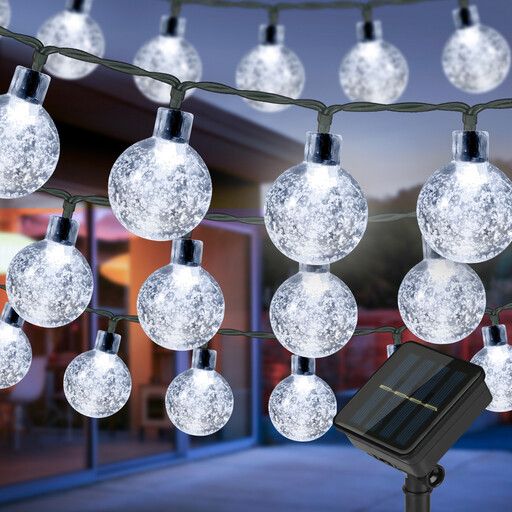
Ideal for those looking to create a festive atmosphere or a cosy corner on a balcony or patio. The crystal bubbles diffuse a soft light, and the 8 lighting modes allow you to vary the mood for any occasion.
This model is designed for durable outdoor use, avoiding the pitfall of disappointing brightness with its 30 LEDs and a comfortable 8 to 14-hour runtime, ensured by a high-performance solar panel.
Wireless installation and automatic operation (turns on at dusk). Its 8 lighting modes with a memory function offer great decorative versatility.
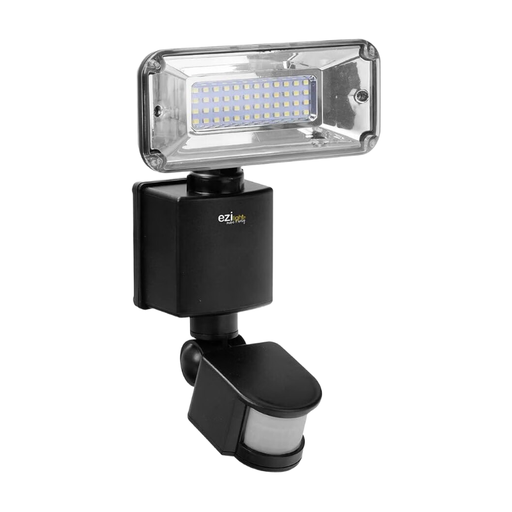
Perfect for those who need to secure an entrance, garage, or driveway. This powerful floodlight only activates when motion is detected, which optimises battery life and provides a deterrent light.
It bypasses the problem of limited battery life thanks to its motion sensor, which only activates full power when needed. Its robust construction and adjustable head ensure targeted and lasting performance.
Powerful LED spotlight with wide coverage. The integrated motion sensor and adjustable lamp head offer a security solution that is both practical and effective.
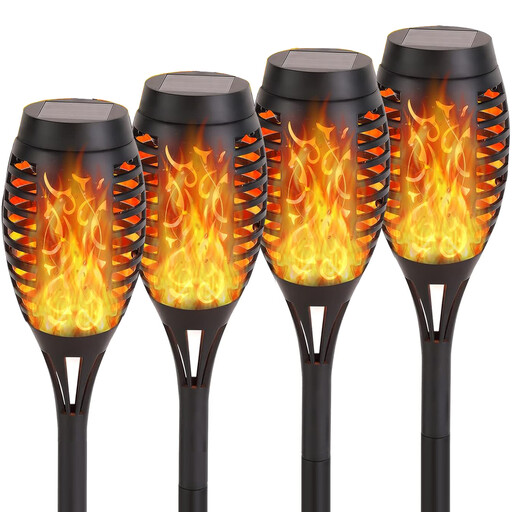
Designed for those who want to line a pathway, flowerbed, or patio with a touch of originality. The flickering flame effect creates a warm and exotic atmosphere without any risk.
This product is certified IP65 waterproof, which protects it from the elements and saves it from the fate of gadgets that fail at the first downpour. The automatic on/off function ensures hassle-free use and good battery life.
The dancing flame effect is very realistic and decorative. The set of 4 allows you to create a coherent and attractive marking along a path or around a garden lounge area.
We've curated a complete range of products that meet our quality charter and current safety standards.
Yes, but their performance will be reduced. Modern solar panels can capture light even on overcast days, but charging is slower. Consequently, the runtime will be shorter in winter compared to a long summer day. The trick to optimising the charge is to place the solar panel in the most open and best-exposed area possible.
It all depends on the quality of the components. The LEDs themselves have a very long lifespan, often exceeding 10,000 hours. The most fragile element is the rechargeable battery, which typically lasts for 1 to 3 years before needing to be replaced (on models that allow it). The robustness of the materials and good waterproofing (IP65 or higher) are also crucial for the product's longevity.
Not necessarily. It's all a matter of use. For garden decoration or ambient pathway marking, a soft light of a few dozen lumens is often more pleasant and more than sufficient. However, to illuminate a walkway or for security, a powerful solar spotlight of several hundred lumens will be necessary. It's better to match the brightness to the intended use rather than aiming for the most impressive spec sheet.