
Livraison le jour même ou le lendemain

Qualité garantie

Débloquez vos offres de bienvenue: Livraison GRATUITE | Jusqu'à -80 % | 30 jours d'essai gratuits à JoyPlus
Téléchargez l'application
Light up your garden, patio, or balcony without running a single cable or increasing your electricity bill? The idea is certainly appealing. The outdoor solar light seems like the perfect solution: eco-friendly, economical, and easy to install. Yet, disappointment is often just around the corner, with products that fail to live up to their promises. Before you buy, it's crucial to see through the most common marketing traps to invest in lighting that will last more than one season.
As the Head of Buying Guides at Joybuy, my mission is to help you see things more clearly. Let's forget the marketing speak and focus on what really matters. Here are the three most common mistakes to avoid.
To make an informed choice, you need to focus on a few non-negotiable technical specifications. These are the true guarantors of the quality and durability of your future outdoor solar light.
The Ingress Protection (IP) rating is an international standard that classifies a device's level of protection against solid objects (dust) and liquids (water). For outdoor use, it is an absolutely essential criterion.
Never settle for a simple "waterproof" claim: always look for the IP rating on the product sheet.
A solar light's runtime depends on two inseparable factors: the capacity of its battery (expressed in milliampere-hours, or mAh) and the efficiency of its solar panel in recharging it.
A good balance between these two elements is the key to a solar light that will keep its promise, night after night.
Not all solar lights are created equal, nor do they serve the same function. Clearly defining your needs is the first step toward choosing the right product.
To help you see how these criteria apply in practice, here are a few products that meet specific needs while avoiding the pitfalls we've mentioned.
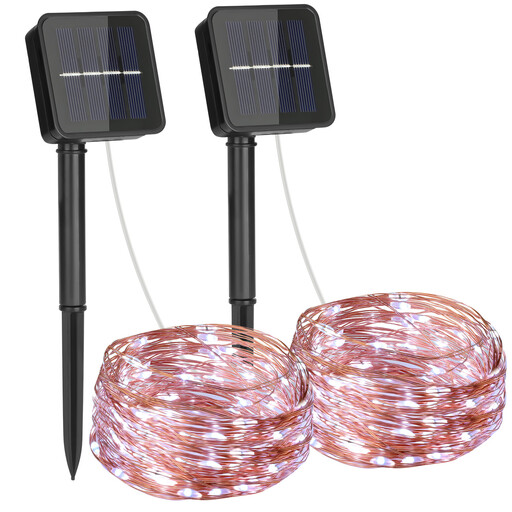
The user profile: Perfect for those who love to decorate their balcony, pergola, or garden for summer evenings and parties. The multi-colour lights and different modes create a cheerful and customisable atmosphere with zero effort.
With an advertised runtime of 8 to 14 hours and an IP65 certification, this string light is designed to operate reliably and withstand the elements. It thus avoids the pitfalls of short battery life and poor waterproofing.
The set of two 12-meter strings provides excellent coverage. The 8 lighting modes, with a memory function, allow you to vary the ambiance with ease.
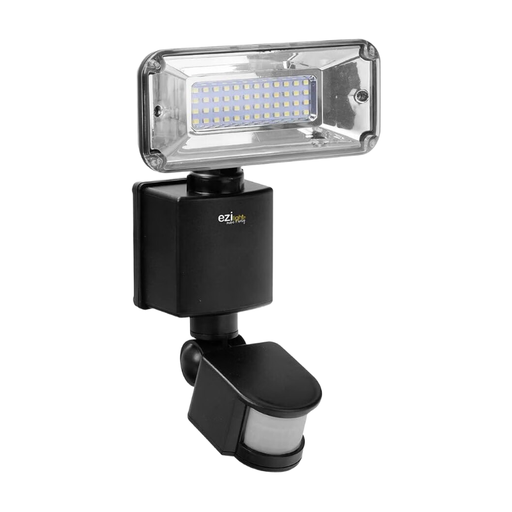
The user profile: Perfect for securing an entrance, a garage, or a dark area of the garden. Its motion activation provides powerful light only when needed, combining security with energy savings.
This product avoids the trap of low brightness by focusing on a single function: powerful, motion-activated lighting. The standby mode preserves the battery, ensuring reliable runtime for its security mission.
The combination of a powerful solar spotlight and a motion sensor makes it a security solution that is both a deterrent and practical. Its adjustable head allows you to target the area to be lit with great precision.
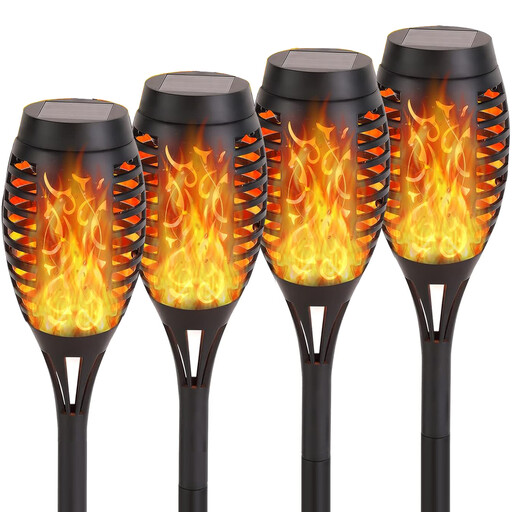
The user profile: For those who want to add a touch of elegance and warmth to their garden. The flickering flame effect is perfect for lining a pathway, surrounding a flowerbed, or creating a welcoming atmosphere on a patio.
The IP65 certification ensures that these torches will easily withstand watering and rain. The lighting is purely decorative, which avoids the disappointment of a light that is too dim for functional use.
The set of 4 allows you to create a harmonious arrangement. The flickering flame effect is very realistic and creates a warm atmosphere, without the risks associated with a real flame.
We have compiled a complete selection of products that meet these quality criteria and current safety standards.
Yes, but with reduced performance. Modern solar panels can charge even in low light, but the runtime will naturally be shorter than after a day of bright sunshine. In winter, with shorter days and less intense sun, the lighting duration will inevitably be reduced.
The lifespan depends on the quality of its components. The LEDs themselves have an exceptional longevity (often over 20,000 hours). The weakest link is usually the rechargeable battery, which can start to lose capacity after 1 to 3 years depending on its use and quality. Fortunately, on many models, the battery can be easily replaced.
For optimal charging, place the solar panel in a location that receives maximum direct sunlight, ideally facing south and with no shaded areas (from trees, walls, etc.). Also, remember to regularly clean the panel's surface with a soft cloth to remove dust and debris that could reduce its efficiency.