
当日/次日达

品质保障

开启新人专享福利: 全场免邮 | 低至 2 折 | 免费试用 30 天 JoyPlus 会员
下载 Joybuy
Energy savings, five-minute setup, no wires to run... The promise of solar lighting is certainly appealing for illuminating a garden, patio, or balcony without hiring an electrician. The problem: in this booming market, the best is often sold alongside the worst. It's easy to be tempted by a product that will turn a great idea into a bitter disappointment.
As a product expert for the editorial team, my mission is to help you see things more clearly. Let's forget the marketing jargon and empty promises and focus on the facts. Here are the three most common pitfalls to avoid and the criteria that truly matter for making the right choice.
The Myth of "XXL" Battery Life: Many packages boast "12 hours of light" or more. This performance is almost always measured in a lab or under idyllic conditions: a summer day with perfect, uninterrupted sunshine. In reality, with often unpredictable weather, especially in autumn or winter, the actual runtime can be cut in half, or even by two-thirds. Such a bold promise often hides an undersized battery or a poor-quality solar panel.
"Superficial" Waterproofing: A product might proudly display an IP (Ingress Protection) rating, but its overall construction tells a different story. Poorly fitted seals, screws that compromise the insulation, or low-grade plastics can allow moisture to seep in after a few months and fry the electronic circuits. A cordless solar light worthy of the name must be designed for long-term weather resistance, not just a summer shower.
The Fragility of Materials: Plastic is everywhere, but not all plastics are created equal. A low-grade ABS will become brittle under UV rays and frost, while metal without an anti-corrosion treatment will soon begin to rust. A product that looks perfect out of the box might not survive its first winter if its materials aren't designed for intensive outdoor use.
To avoid making a mistake, rely on concrete technical specifications. They are a far more reliable indicator of quality than any advertising slogan.
This rating classifies a product's resistance to dust (first digit) and water (second digit). For outdoor use in our climate, a rating below IP44 should be avoided:
This trio is inseparable: their balance determines the real-world performance of your solar garden lighting.
decorative solar light, solar string lights): 10 to 100 lumens are sufficient.solar pathway light, solar garden torch): 50 to 200 lumens are suitable.powerful solar spotlight): Aim for 300 to 800 lumens, or even more, to properly light an entrance or a walkway.Rather than an impersonal list, here are models that meet specific needs while adhering to our criteria for durability and performance.
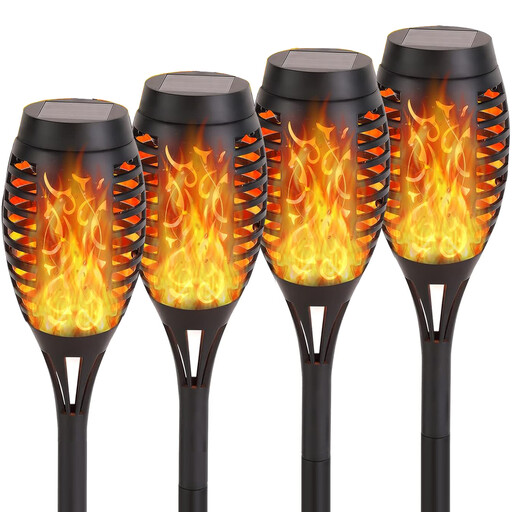
Why we chose it: Ideal for creating a friendly atmosphere and a stunning visual effect, without the risks of a real flame. Perfect for marking out a patio or a lounge area in the garden during summer evenings.
The IP65 rating ensures true resistance to rain. As the light is designed for ambiance, its runtime is consistent with its decorative function and doesn't promise intense, all-night illumination.
The flickering flame effect is very realistic and creates a unique atmosphere. Installation takes just a few seconds: simply stake it into the ground.
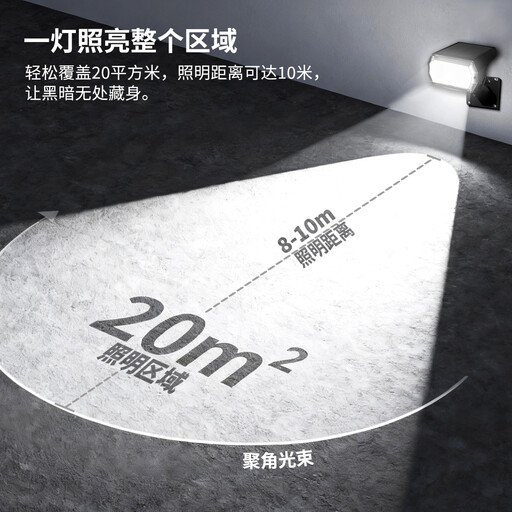
Why we chose it: For those whose priority is security and visibility. This spotlight is designed to effectively illuminate a specific area: a garage entrance, a doorstep, a staircase, or a dark corner of the garden.
This product is a powerful solar spotlight; its function is clearly illumination, not decoration. No frills here: the product relies on its 48 LEDs to deliver a light output suitable for security purposes.
The light beam is focused and powerful, allowing you to target a specific area. The set of two offers excellent value for money for securing multiple spots.
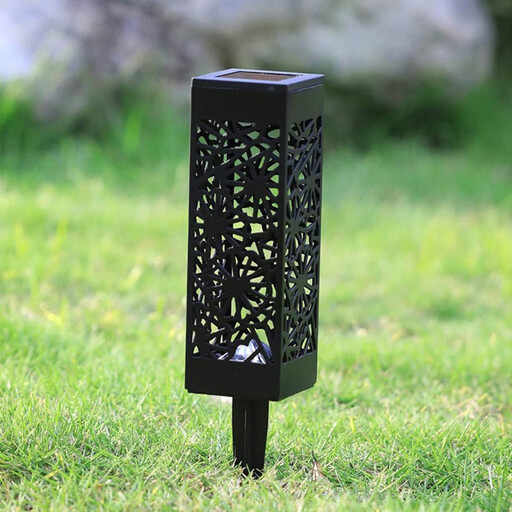
Why we chose it: Perfect for lining a pathway, defining a flowerbed, or guiding your steps at night with a decorative touch. The light is soft, and the design looks elegant even in broad daylight.
Its treated ABS plastic construction and IP65 rating directly meet the requirements for durability and waterproofing. The product is designed to stay in the ground all year round.
The lampshade's cutout design casts elegant patterns on the ground, turning simple pathway marking into a true decorative feature.
We have compiled a complete and updated selection of products that meet our demanding specifications and current safety standards.
The lifespan depends on its components. LEDs have a very long life (often over 20,000 hours). The weakest link is almost always the rechargeable battery, which typically lasts 1 to 3 years depending on its quality and the frequency of charge/discharge cycles. On some models, it can be replaced, which significantly extends the product's lifespan.
Yes, but with reduced efficiency. Modern solar panels can charge even in low light, but they will accumulate far less energy than on a sunny day. Expect a shorter runtime during the winter months or long periods of overcast weather. To optimise charging, place the panel in the most open and best-oriented area possible.
Maintenance is minimal but essential. The main task is to regularly clean the solar panel with a soft, damp cloth to remove dust, pollen, or bird droppings that can block the sun's rays. In winter, make sure the panel is not covered by snow. A clean panel is the key to optimal charging.