
Livraison le jour même ou le lendemain

Qualité garantie

Débloquez vos offres de bienvenue: Livraison GRATUITE | Jusqu'à -80 % | 30 jours d'essai gratuits à JoyPlus
Téléchargez l'application
The idea of outdoor solar lighting has a lot going for it: no cables to run, a lower electricity bill, and an eco-friendly choice. Yet, the experience can quickly turn into a disappointment. A light that doesn't survive the first heavy rain, laughable battery life in winter, or a glow so dim it's useless... You may already be familiar with these letdowns.
As a Product Expert at Joybuy, my role is to help you see things more clearly. Let's forget the marketing jargon and focus on what really matters. Here are the 3 most common pitfalls to avoid and the objective criteria for choosing an outdoor solar light that truly delivers on its promises.
The 3 Pitfalls to Avoid Before You Buy:
To avoid falling for these tricks, you just need to check three technical specifications that speak volumes about a light's true quality.
The IP rating is an international standard that classifies a device's level of protection against solid objects (dust) and liquids (water). It consists of two digits:
For outdoor use in the UK, where the weather can be unpredictable, an IP65 rating is the minimum requirement for peace of mind. It guarantees your light is completely protected against dust and against water jets from all directions. Anything less, and the risk of water infiltration is much higher.
A solar light's autonomy depends on two key elements: its battery capacity and its solar panel's efficiency.
Forget Watts, which measure consumption, and focus on lumens (lm), which measure the actual amount of light emitted. The required lumens vary depending on the use case:
Let's get practical with a few models that tick all the boxes, each designed for a specific need.
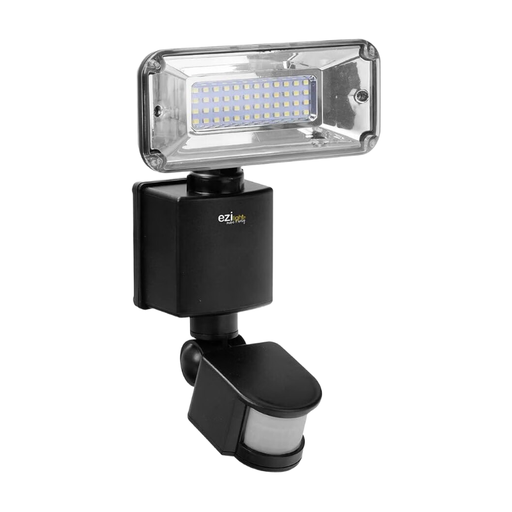
Who is it for? Perfect for securing an entrance, garage, or driveway with powerful, responsive lighting. Its motion sensor optimises battery life by only activating full power when someone passes by.
This powerful LED spotlight provides a deterrent level of light, avoiding the "too dim" trap. Its robust and waterproof design ensures a durable outdoor installation.
Adjustable head for targeted lighting. Automatic activation via motion detection, combining convenience and energy savings.
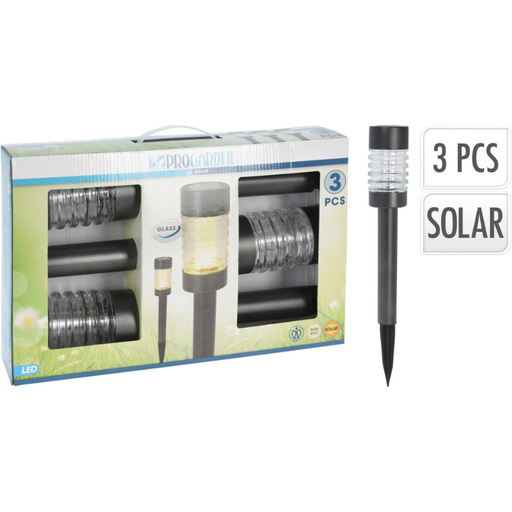
Who is it for? For those who prioritise style and quality materials. These bollard lights are perfect for marking a path or decorating a flowerbed with ambient light.
Its stainless steel and glass construction sets it apart from cheap plastic products that age poorly. The brightness (5 lumens) is clearly stated for ambient use, with no false promises.
Premium, durable materials for enhanced longevity. Modern and discreet design that blends into any garden.
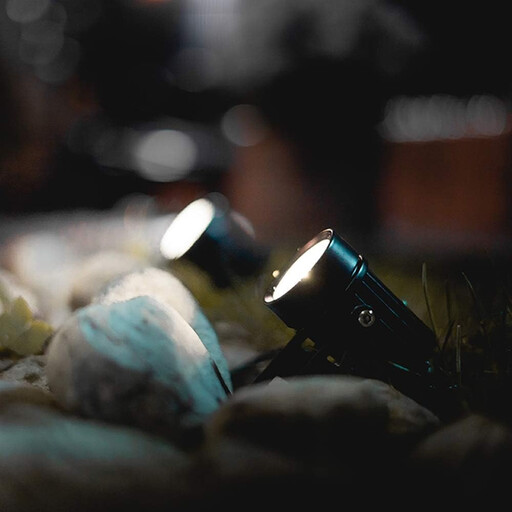
Who is it for? For those who want to highlight multiple areas of the garden (trees, flowerbeds, facades) with a single system. Flexibility is the name of the game here.
Its separate solar panel can be placed where the sun is strongest, independent of the spotlights. This maximises charging, solving the problem of poor battery life, even when lighting shady areas.
Multiple adjustable spotlights for a custom lighting design. Wireless, simple, and fast installation.
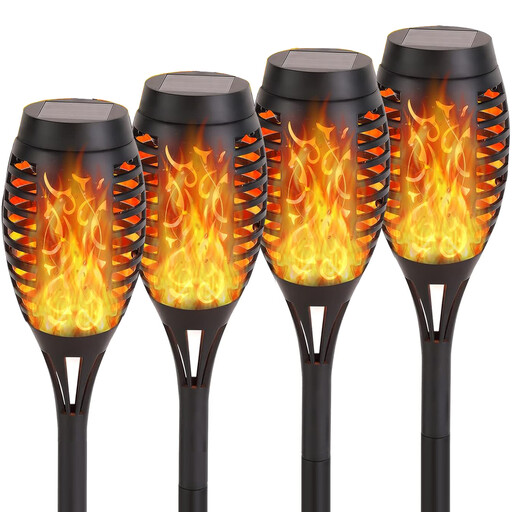
Who is it for? For creating a cosy atmosphere on a balcony, patio, or during a summer evening. The flickering flame effect adds a unique decorative touch.
Certified IP65, these torches are designed to withstand downpours, avoiding the "false waterproofing" trap, a common flaw in entry-level decorative lighting.
Realistic flame effect for an unmatched ambience. Sold in a set of 4 for a great immediate visual impact.
We have selected a full range of products that meet all our quality and safety criteria.
The lifespan mainly depends on two components: the battery and the LED. LEDs have a very long life, often over 25,000 hours. The rechargeable battery is the component that wears out the fastest. Generally, a good quality battery (Ni-MH or Li-ion) can last between 2 and 4 years before its capacity noticeably decreases. On many models, it can be replaced.
Yes, but with reduced efficiency. Modern solar panels can capture energy even on overcast days, but charging will be less effective than in direct sunlight. As a result, the nightly runtime will be shorter in winter. This is why it's important to choose a model with a high-capacity battery and an efficient panel.
Maintenance is simple: just regularly clean the surface of the solar panel with a soft, damp cloth. Dust, pollen, or leaves can form a layer that reduces its efficiency. Also, make sure the panel is not shaded by vegetation that grows throughout the seasons.