
Livraison le jour même ou le lendemain

Qualité garantie

Débloquez vos offres de bienvenue: Livraison GRATUITE | Jusqu'à -80 % | 30 jours d'essai gratuits à JoyPlus
Téléchargez l'application
On paper, outdoor solar lighting has it all: an incredibly simple installation, zero impact on your electricity bill, and a touch of elegance for your summer evenings. Yet, the reality is often less brilliant. An outdoor solar light that only lasts an hour, a lantern that floods with the first downpour, or a torch whose plastic cracks after one summer in the sun... Sound familiar?
Before you make a purchase, it's best to know how to sidestep the marketing traps and focus on the features that truly matter. We'll show you how to avoid any unpleasant surprises.
To ensure you don't get fooled, you just need to decipher a few technical specifications. They will give you a clear idea of the performance and lifespan of your future wireless solar light.
The IP (Ingress Protection) rating is an international standard that classifies a device's resistance to solid objects (first digit) and liquids (second digit). For outdoor use, where the weather can be unpredictable, this criterion is non-negotiable.
A solar light's autonomy relies on an inseparable pair: its battery's capacity to store energy and its solar panel's efficiency in capturing it.
The choice of materials doesn't just affect the aesthetics of your decorative solar marker; it primarily determines its long-term durability.
Because you don't light a balcony the same way you mark a pathway, here are a few models that caught our eye, each tailored to a specific need.
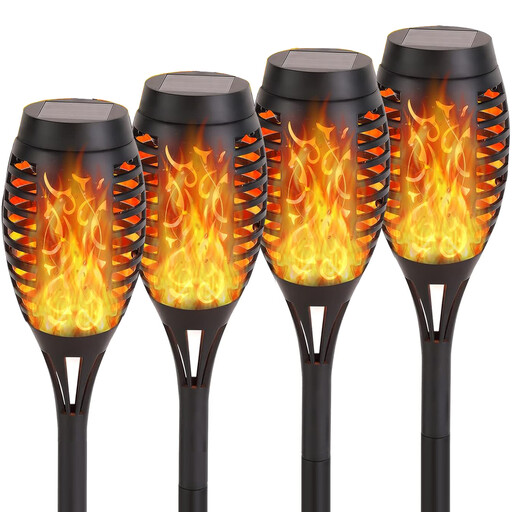
WHO IS IT FOR? For those who want to define a pathway, highlight a flowerbed, or light up the edges of a patio with a warm glow, all without running a single cable.
With an IP65 certification, this torch isn't afraid of heavy downpours. Say goodbye to the "waterproof" product that dies after the first storm of the season.
The flickering flame effect, generated by 12 LEDs, is truly impressive and creates a unique atmosphere. It turns on and off automatically for total convenience.
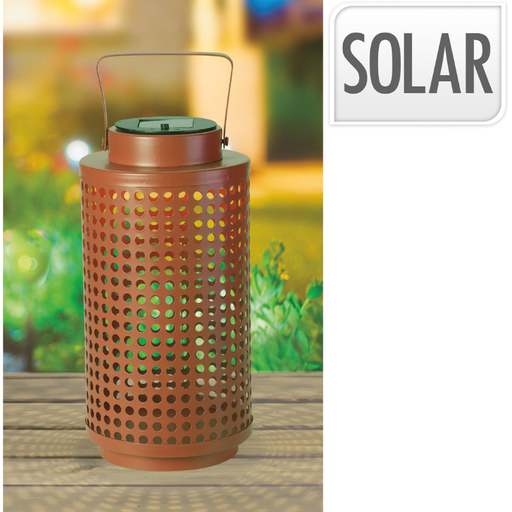
WHO IS IT FOR? For those who see a solar light as a decorative object in its own right, to be placed on a balcony table or hung from a branch for a splash of colour, day or night.
Its sturdy metal frame ensures much better longevity than low-end plastic models that degrade quickly. An object designed to last.
Its look and powder pink finish make it a beautiful object, even when turned off. Once lit, its warm white LED casts a soft and very welcoming light.
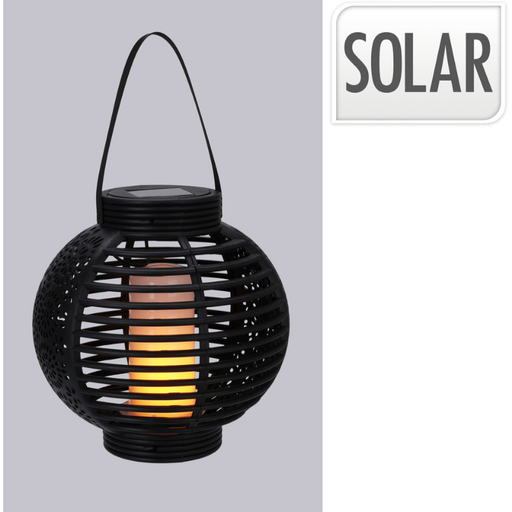
WHO IS IT FOR? For fans of clean lines looking for a graphic light source to place on a low wall, a garden coffee table, or even on the ground for a very modern effect.
This isn't just a cube. Its special engraved design on two sides projects original light patterns, setting it apart from lanterns with overused aesthetics.
Its 20 cm cubic format is versatile. Its integrated 12 LEDs provide enough light to create a distinct ambiance, not just a faint glow.
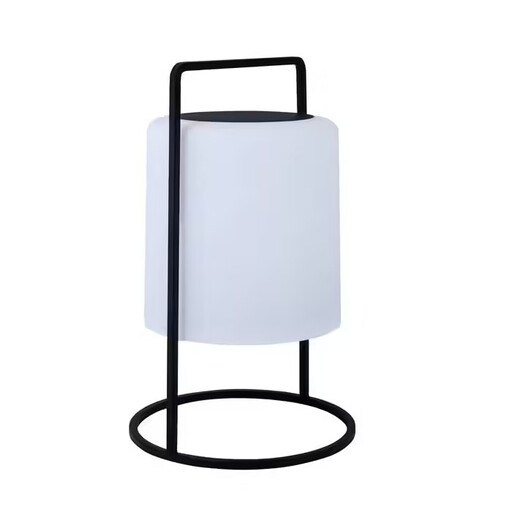
WHO IS IT FOR? For those who want a portable lamp: perfect for dinner on the patio, placed on the grass for an evening with friends, or even taken camping.
Designed to be moved, its robust construction and solid handle protect it from bumps. It's a far cry from the small, decorative lamps you're afraid to break.
Its versatility is its greatest asset. Its opal shade diffuses a pleasant, glare-free light, ideal for illuminating a table.
Discover our full selection of products that meet our criteria for quality, durability, and safety standards.
The lifespan is determined by two components: the LED and the battery. LEDs are virtually eternal (often rated for over 20,000 hours). It's the rechargeable battery that will show signs of weakness first. Expect 2 to 3 years for a quality Ni-MH battery before its capacity starts to decline. The good news: on many models, it's easy to replace.
Yes, but don't expect miracles. A solar panel will still charge in grey weather (especially amorphous models), but it will store far less energy than in direct sunlight. Consequently, the battery life will be noticeably shorter in winter. The basic advice remains the same: place your light in the sunniest spot possible, away from shady areas.
Maintenance is a breeze, but it shouldn't be forgotten. Wiping the solar panel with a damp cloth from time to time is enough to remove dust or pollen that can reduce its efficiency. In the autumn, watch out for fallen leaves that might cover it. And if after 2 or 3 years, the battery life is dropping off, it's probably time to change the battery (if the model allows it).