
Livraison le jour même ou le lendemain

Qualité garantie

Débloquez vos offres de bienvenue: Livraison GRATUITE | Jusqu'à -80 % | 30 jours d'essai gratuits à JoyPlus
Téléchargez l'application
The promise of an outdoor solar light is appealing:?no cables to run, no increase in your electricity bill, and a small gesture for the planet. Yet, the experience often ends in disappointment. A light that dies after the first downpour, a battery life that dwindles rapidly come autumn, or a glow so faint it can barely light up the path.
As a product expert at Joybuy, my mission is to help you navigate the jungle of options. Let's cut through the marketing jargon and get straight to the point:?here's what really matters. Let's review the pitfalls to avoid and the essential criteria for choosing a solar garden light that will keep its promises, season after season.
Before even comparing models, it's crucial to know the most common letdowns so you don't throw your money away.
To avoid these traps, a few technical points should be inspected closely. These are the true guarantors of your future light's quality and durability.
The IP rating is an international standard that classifies a device's level of protection against the intrusion of solid objects (dust) and liquids (rain, splashes).
Your light's performance directly depends on its ability to capture and store energy.
Forget the number of LEDs; the only true indicator of brightness is lumens (lm).
Because every garden is unique, here are a few standout products, each meeting a specific need and adhering to the quality criteria we've just discussed.
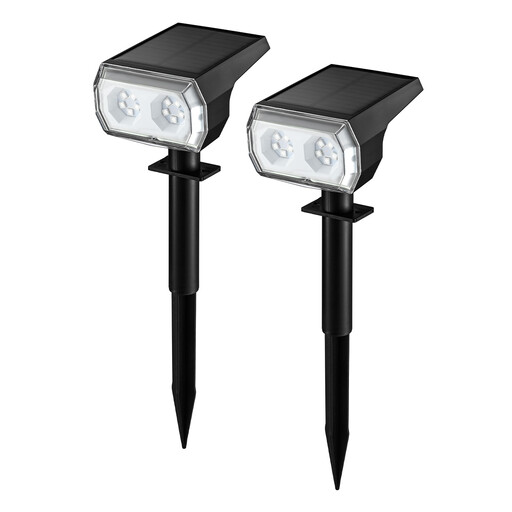
Why this model stands out: Ideal for those who love to stage their outdoor space. Perfect for summer evenings, parties, or for highlighting a tree or flowerbed with changing colours. The two-pack offers great installation flexibility.
This spotlight doesn't promise insane brightness, but a clear and dedicated function: multicolour (RGB) ambience. Its waterproof design and sturdy ABS housing tick the boxes for durability.
Its RGB colour modes for a custom atmosphere. Its 2-in-1 installation: stake it in the ground or mount it on the wall.
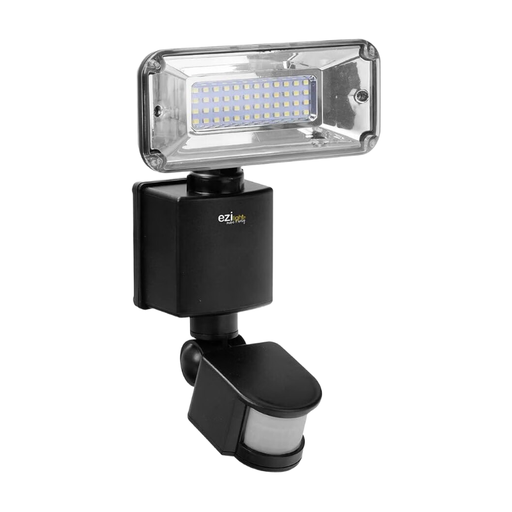
Why this model stands out: Here, the priority is security. Its powerful floodlight paired with a motion sensor makes it the logical choice for lighting a garage entrance, a front step, or a dark passageway. It deters as much as it guides.
Thanks to its motion sensor, it conserves its battery and sidesteps the trap of unrealistic battery life claims. Since the light only turns on when needed, it remains reliable even in the dead of winter.
The motion sensor and energy-saving combination. Its adjustable head allows you to direct the light beam with precision.
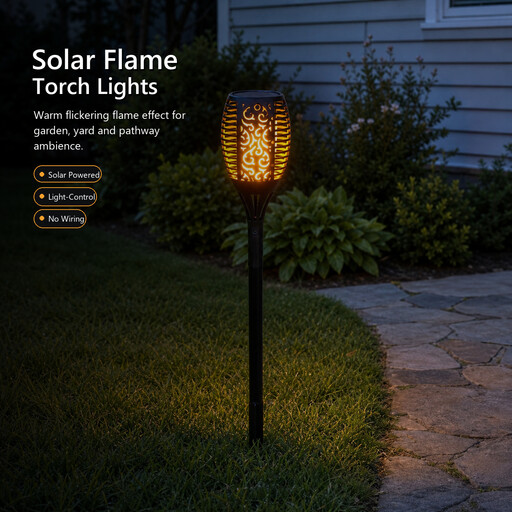
Why this model stands out: For those who prioritise style and a unique ambience above all. This solar torch perfectly mimics the flicker of a real flame, creating an incredibly warm atmosphere along a path, on a patio, or in the heart of a flowerbed.
This model dodges the disappointing-brightness trap because its mission is 100% decorative. The expectation is clear: to create a stunning visual effect. Furthermore, its IP65 rating is a guarantee of its robustness against the elements.
Its dancing flame effect is simply stunning. Its IP65 certification ensures it will get through the winter without any issues.
Discover our full selection of products that meet our rigorous selection criteria and current safety standards.
What is the lifespan of an outdoor solar light? It all depends on the components. The LEDs themselves have a virtually unlimited lifespan (often over 50,000 hours). The weak link is the rechargeable battery, which typically lasts between 1 and 3 years depending on its quality and your usage. The good news:?on many models, it's easily replaceable.
Does a solar light work in winter or on cloudy days? Yes, but its performance will naturally be reduced. A quality solar panel will continue to charge even in overcast weather, but the battery life will be much shorter than in the middle of summer. The trick to optimising charging in winter:?point the panel due south, far from any shaded areas.
How do I maintain my solar light to optimise its performance? Maintenance is minimal, but crucial. Remember to regularly clean the surface of the solar panel with a soft, damp cloth to remove dust, pollen, or dead leaves. This guarantees maximum light absorption. In winter, a quick sweep with a brush to remove snow won't hurt it.