
Livraison le jour même ou le lendemain

Qualité garantie

Débloquez vos offres de bienvenue: Livraison GRATUITE | Jusqu'à -80 % | 30 jours d'essai gratuits à JoyPlus
Téléchargez l'application
Choosing an outdoor security camera can quickly become overwhelming. Between marketing promises and technical jargon, it's easy to feel lost and worry about making a purchase you'll regret. As a product expert at Joybuy, my role is to help you cut through the noise. Let's set aside the complex tech specs and focus on what really matters for protecting your home.
Before we get into specific models, let's review the 3 most common pitfalls that can end up costing you dearly?:
To avoid these nasty surprises, focus on the few features that make a real difference in an outdoor security camera.
Resolution (expressed in Megapixels or as 2K, 4K) determines the level of detail in the image. High resolution is essential for zooming in on a recording to identify a face or a specific detail.
Also, consider colour night vision. This technology uses more sensitive sensors and sometimes a small LED spotlight to capture full-colour images in complete darkness. It radically improves the quality of usable footage in case of an incident.
Your choice of power and connection is crucial: it must suit your home and its specific constraints.
Where and how is your video footage saved?
There's a solution for every need. Here are a few models that cater to specific profiles while avoiding the pitfalls we've just discussed.
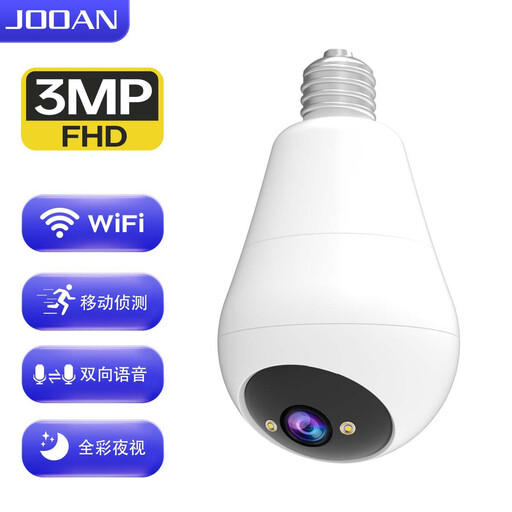
Why we chose it: Ideal for a first-time setup or for monitoring an entrance, balcony, or small yard. Installation is incredibly simple: just screw it into an existing E27 light socket like a regular bulb. No wires to run, no batteries to recharge.
It records for free to an SD card, neatly sidestepping the mandatory subscription trap. Colour night vision is provided by LEDs, ensuring a clear image even at night.
Ultra-simple installation in an E27 socket. Features outdoor PTZ camera functionality (355°/90° rotation) for complete coverage with no blind spots.
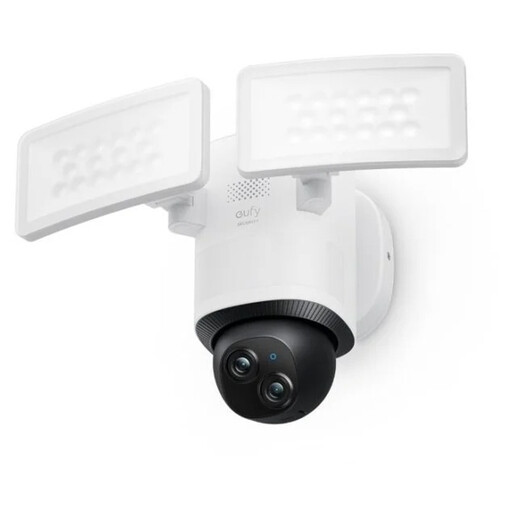
Why we chose it: For those who want comprehensive, active surveillance of their property. This wired camera combines a powerful 2000-lumen floodlight, a dual-camera system (wide-angle and telephoto), and 360° rotation to leave no blind spots. It's designed for active deterrence and around-the-clock monitoring.
It's compatible with the eufy HomeBase 3 for expandable local storage, guaranteeing a true subscription-free solution. The dual cameras and powerful floodlight ensure high-quality colour night vision and precise identification.
360° coverage with AI-powered motion tracking. Dual cameras for both a wide overview and zoomed-in detail. Continuous 24/7 recording.
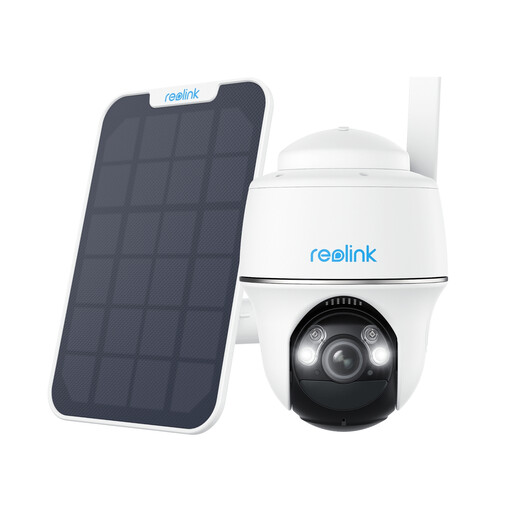
Why we chose it: This is the ultimate solution for locations without Wi-Fi or power: a second home, construction site, farm building, or even a boat. It's completely autonomous thanks to its 4G connectivity (via a Nano-SIM card) and its solar panel, which continuously recharges the battery.
It solves the connectivity problem by using the 4G mobile network. Recording to a microSD card means no cloud subscription is needed; the only recurring cost is your mobile data plan.
Complete autonomy (4G camera + solar security camera). Motorised Pan & Tilt coverage to monitor a large area remotely.
We have compiled a full selection of products that meet our demanding specifications.
Yes, provided that video storage is handled locally (on a microSD card or a dedicated base station) and that all motion detection and notification features are accessible without extra cost. Always check the product specifications to ensure no essential functions are locked behind a paywall.
Battery life varies enormously depending on the model and your usage, ranging from a few weeks to several months. Several factors affect battery life: the frequency of detections, the length of recordings, and the weather (cold temperatures reduce battery performance). For complete peace of mind, a solar-powered security camera is the best option, as it recharges continuously.
Yes, but this is strictly regulated to protect the right to privacy. You are generally permitted to film within your own property lines, including your garden, driveway, and front door. However, it is strictly forbidden to film public spaces (the street, the sidewalk) or your neighbours' property. If you employ domestic staff, you must inform them of the cameras' presence. For locations open to the public (like a shop), a permit and clear signage are usually mandatory. Always check your specific local and national regulations before installation.