
Livraison le jour même ou le lendemain

Qualité garantie

Débloquez vos offres de bienvenue: Livraison GRATUITE | Jusqu'à -80 % | 30 jours d'essai gratuits à JoyPlus
Téléchargez l'application
An outdoor privacy screen can sometimes transform a balcony, terrace or fence into a more pleasant space. But you need to choose the right fabric: a poorly suited model can sag within weeks, tear at the first gust of wind, or offer far less screening than advertised.
Before you place your order, keep three common pitfalls in mind:
For a balcony privacy screen or terrace in an urban area, a dense weave generally reduces overlooking. A partially opaque model, however, lets more light through and avoids the 'wall' effect that can feel unpleasant in a small space.
For a garden privacy screen or a fence exposed to neighbours' views, check the manufacturer's specifications carefully:
An artificial hedge, such as the Tenax Divy Laurus Pro model, adds a leafy texture and visually conceals a fence or wall. The result, however, won't be the same as with a continuous fabric.
Not all synthetic materials intended for outdoor use age in the same way. Look for a clear indication of UV stabilisation or resistance, as well as protection against rain and temperature changes.
Woven polyethylene is very common for a fence privacy screen fabric. Textilene, which is made from PVC and polyester depending on the model, offers a more structured weave and a more decorative look. In any case, even a robust material doesn't replace the need for proper fixings.
A UV protection screen can keep its appearance for longer when exposed to sunlight. How long the colours last also depends on light intensity, the orientation of the fence and the local climate. For cleaning, use water and a mild product: solvents and abrasive tools are a no-go.
Start by measuring the actual length you need to cover, then check the available height. For installation on a balcony, also check the rules of your building's management and how the installation will look from the outside.
Make sure you plan for:
An open-weave windbreak net can be useful in an exposed garden. On the other hand, a very dense screen installed on a lightweight railing needs extra care. A privacy screen should never be used as a load-bearing barrier, a guardrail or a climbing frame.
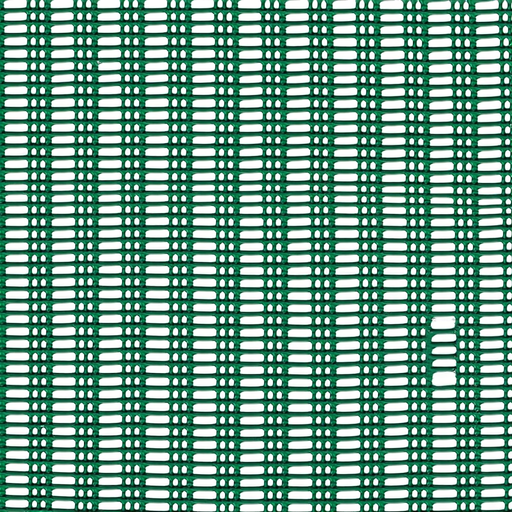
Why this suits this profile: Its 1 × 5 m size lets you start with a section of balcony or fence without buying an endless roll. The open-weave structure is ideal for those who want to reduce views and wind effects while keeping good airflow.
Its specific mesh prevents you from mistaking an open-weave screen for a fully opaque fabric. So you know exactly what to expect before installation.
A manageable 5 m size, advertised UV stabilisation and a design intended to reduce wind resistance.
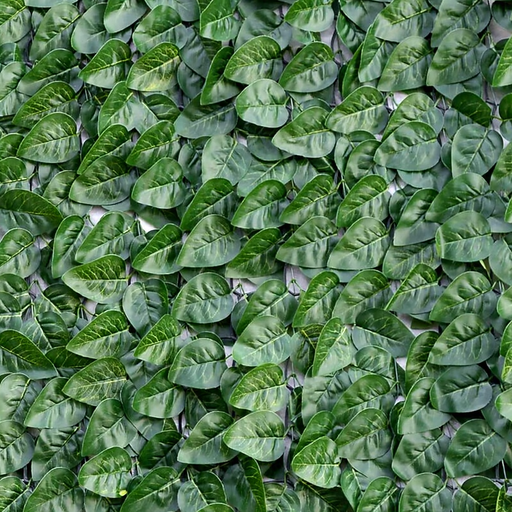
Why this suits this profile: This foliage panel is designed for those who value the look of an artificial hedge and want to dress up a wall, pergola, gate or fence without watering or trimming.
The 150 × 300 cm panel is clearly sized. This makes it easier to calculate how many pieces you need and avoid buying the wrong ones.
High-density polyethylene foliage, square plastic grid and materials advertised as UV and weather resistant.
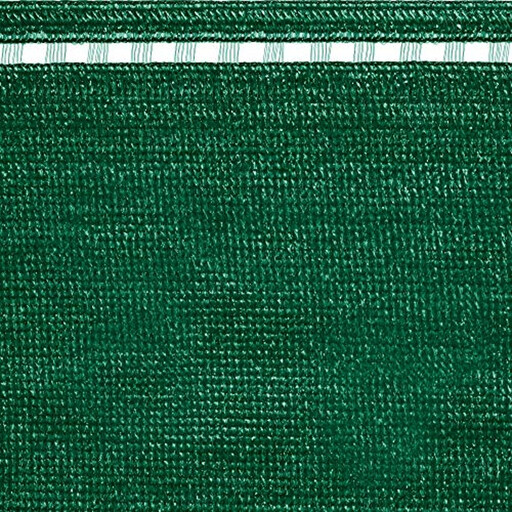
Why this suits this profile: With its 2 m height, advertised weight of 230 g/m² and integrated eyelets, this model is aimed at large fences, terraces or spaces that need a strong visual separation.
The eyelets placed along the edges make it easy to distribute the fixing points. According to the product description, the fabric can also be cut to size without fraying.
Advertised 100% opacity, indicated UV resistance and the option to install vertically or horizontally, depending on the support.
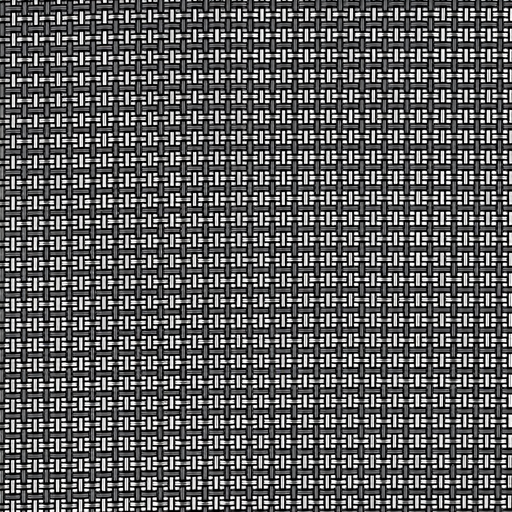
Why this suits this profile: This textilene privacy screen in grey, black and silver is aimed at homeowners who want a decorative finish and moderate privacy on a terrace or balcony.
The 'low privacy' label signals partial visual protection. It stops you from choosing a semi-transparent fabric thinking you'll get a fully opaque screen.
Textilene advertised at 700 g/m², metal eyelets spaced 30 cm apart and cuttable without fraying according to the product sheet.
We've put together a full selection, updated in real time, of products that meet these strict selection criteria as well as European safety requirements.
Unroll the fabric on a clean surface before installing it. On a rigid fence, space the fixings evenly. On a balcony, check that the railing and anchor points can handle the forces exerted by the wind.
Avoid over-tightening the fabric and check the fixings after the first gusts. If installed near a building corner or at height, it can experience much greater pressure. These products must never be used as a guardrail or safety fence.
A rinse with clean water is usually enough. Remove leaves and dust before they become embedded, then inspect the eyelets, seams and fixings at the start and end of the outdoor season.
Use strong fixings that are suitable for the diameter of the mesh or posts. Attach the fabric along the edges first, then add intermediate points to reduce creasing and flapping. The fixings should be evenly spaced, without compressing the fabric too tightly.
It all depends on the material, its UV stabilisation, its exposure to wind and the quality of the installation. A fabric that is regularly checked and cleaned will keep its shape and colour for longer. However, no outdoor material is immune to wear and tear.
Not necessarily. Full opacity reduces overlooking, but it can also darken the space and increase wind resistance. On an exposed balcony, an open-weave or moderately opaque model can sometimes offer a better compromise. The right choice depends on what matters most to you: privacy, light, airflow or the stability of the support.