
Livraison le jour même ou le lendemain

Qualité garantie

Débloquez vos offres de bienvenue: Livraison GRATUITE | Jusqu'à -80 % | 30 jours d'essai gratuits à JoyPlus
Téléchargez l'application
A poorly chosen container can quickly become bulky, fragile or difficult to water. Whether it is on a windy balcony, a sun-drenched patio or in a frost-prone garden, looks are not everything. In the world of outdoor pots and planters, certain marketing claims appear time and again — and deserve closer scrutiny.
The first pitfall is mistaking a water reservoir for an automatic watering system. It can reduce how often you need to water, but it does not remove the need to check the moisture of the potting compost or drain away excess water. The second concerns stated dimensions that do not take into account the weight of the soil, water and fully grown plant. A large planter can therefore become extremely heavy once filled. Finally, a claim such as ‘weather-resistant’ means very little without further details: check the protection against UV rays, resistance to frost, drainage and conditions of use in winter.
Choose your container according to the plant, but also the space available to you. Seasonal flowers may be happy in a compact balcony planter, whereas a shrub or small fruit tree will need a greater volume of soil.
A few useful guidelines:
On a balcony, check the maximum permitted load set by the property management company or building. Always place the pot on a flat, stable surface, taking into account its weight once filled and watered.
A planter with a water reservoir generally has a separate compartment beneath the growing medium. This system can reduce how often you need to water, but you must follow the manufacturer’s instructions and avoid allowing the roots to sit permanently in water.
Before planting, check:
For plants that are sensitive to moisture, effective drainage remains essential. Indoors, place a tray beneath the pot to protect the floor from possible leaks.
Moulded plastic and polypropylene have the advantage of being lightweight and easy to move. For a purchase designed to last, look for UV protection and a clear indication of frost resistance. These claims provide information about the material’s properties, but do not replace proper maintenance precautions.
Models made from recyclable plastic or recycled materials may suit a more responsible approach to shopping. Some products state that they are made in France and carry Origine France Garantie certification. However, refer to the product page for the specific model: this claim does not necessarily apply to an entire range.
Colour also plays a part. An anthracite pot pairs easily with a light-coloured façade, wood or a contemporary setting. A terracotta finish, on the other hand, adds a more traditional touch.
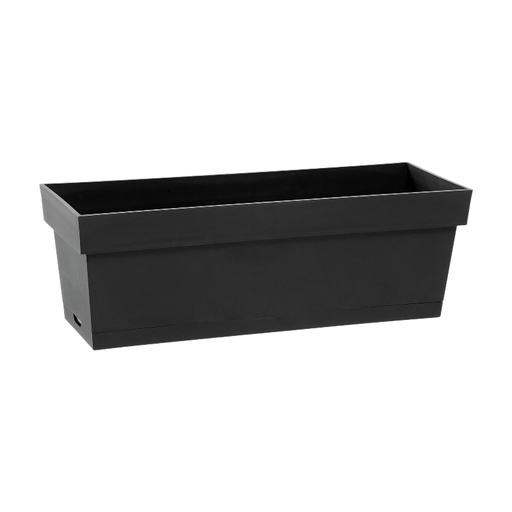
Why this choice suits this profile : Measuring 50 x 18 x 16.7 cm, it fits easily on a windowsill, patio or small balcony. Its shape allows you to group several flowers or herbs together without reducing the available passage width.
The length and empty weight are clearly stated. This allows you to anticipate the amount of space required and the load before filling it.
Moulded plastic, anthracite finish, made in France and designed for use on balconies, windowsills and patio edges.
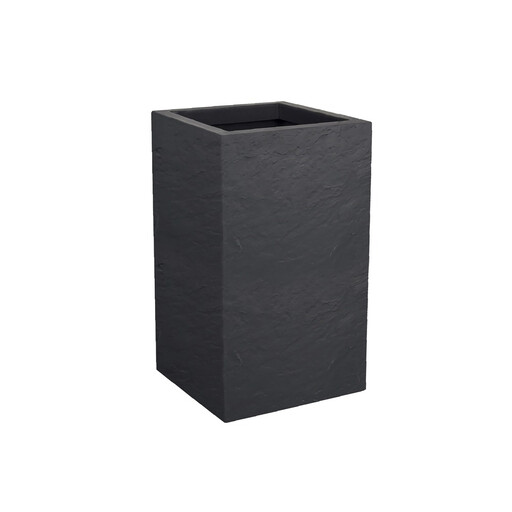
Why this choice suits this profile : This 36-litre square pot adds height to an arrangement on a patio or in a garden. Its stone-effect finish makes a statement without the weight of a genuine stone container.
The water retention and pre-drilled design are detailed on the product page. The system therefore makes no claim to eliminate all maintenance.
UV protection, frost resistance, recyclable material and Origine France Garantie indication, according to the manufacturer’s information.
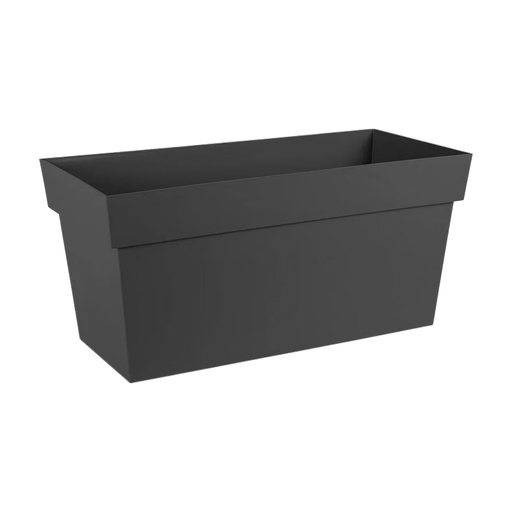
Why this choice suits this profile : With its 74-litre capacity, castors and reservoir fitted with a filter grille, this model is made for large arrangements on a patio, in a courtyard or in a vertical space.
The dimensions of 79 x 35 x 39 cm, capacity and stability precautions are stated. You can measure the space and estimate the final weight before installation.
Castors, filling spout, filter grille, UV protection and frost resistance are stated on the product page.
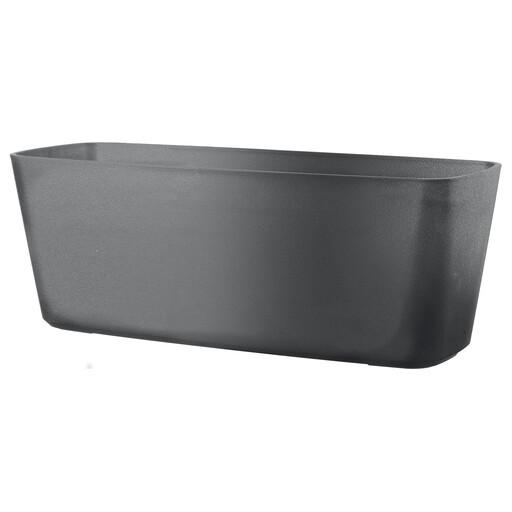
Why this choice suits this profile : This patio and garden pot focuses on a simple design and recycled, recyclable material. It can be used both indoors and outdoors.
The removable plug lets you choose between draining water away for outdoor use and retaining it for decorative indoor use.
Recycled and recyclable materials, frost and UV resistance, removable plug and easy maintenance with a damp cloth.
We have put together a complete, real-time-updated selection of products that meet these demanding criteria and European safety regulations.
Before filling a pot or planter, measure the area where you intend to install it and make sure the drainage holes are clear. On a balcony, avoid placing a planter on the railing without a suitable fixing system. A gust of wind can move a lightweight container, while a large, heavily loaded planter can put considerable pressure on the structure.
To extend its lifespan:
Even when described as frost- and UV-resistant, a pot remains subject to mechanical stresses caused by damp soil, the expansion of frozen water and impacts. In very cold regions, reducing the load or moving the container while it is empty can help minimise the risks.
Start by measuring the available width and the passage depth, then check how much weight the balcony can support. A 50 to 60 cm planter is generally suitable for flowers and herbs, provided you take the total weight after filling into account. For a railing, use only a compatible and secure fixing accessory.
It can reduce how often you need to water, as some of the water remains available in a lower compartment. However, usage varies depending on the plant, temperature, sunlight exposure and wind. You must continue to monitor the moisture of the growing medium and drain off excess water when necessary.
The stated resistance relates to the material and the conditions specified by the manufacturer. The plant and soil may nevertheless suffer from frost. Check the product page, keep the drainage system clear and prevent water from pooling when temperatures fall.