
Livraison le jour même ou le lendemain

Qualité garantie

Débloquez vos offres de bienvenue: Livraison GRATUITE | Jusqu'à -80 % | 30 jours d'essai gratuits à JoyPlus
Téléchargez l'application
A pot bought on a whim can quickly become tricky to use. On a balcony, terrace or in a garden, the weight of damp compost, sun exposure and standing water put containers under serious strain. To choose the right outdoor pots and planters, it pays to look beyond colour and shape.
Three common pitfalls keep cropping up:
The container needs to suit the plant’s growth as well as the space available. A rectangular planter will easily fit on a windowsill, a wide enough balcony rail or along a terrace. For example, a 50 cm long model lets you group several flowers or herbs without taking up the whole depth of a balcony.
With its stable base, a square flower pot is easy to combine with other containers. Tall models catch the eye and work well for plants that add volume, while a low container blends more discreetly into an arrangement.
Before ordering, remember to check:
Lightweight, easy to maintain and not very prone to moisture damage, moulded plastic is particularly well suited to outdoor use. However, if you want to leave your pot outside all year round, look for specific information about its UV protection, frost resistance and the material composition.
A recyclable pot can fit into a more responsible approach to consumption, but it’s important to distinguish between “recyclable” and “made from recycled materials”. These two terms don’t mean the same thing. Similarly, the label pot made in France or the “Origine France Garantie” certification must genuinely apply to the product itself, not just be assumed from the brand.
Anthracite, beige, terracotta or stone-effect finishes let you match containers to a façade, garden furniture or terrace flooring. Bear in mind, though: a dark colour can heat up more in the sun. The plant’s location and needs should therefore remain the priority.
A planter with a water reservoir usually separates the compost from the water stored beneath the pot. This system can space out watering, but it doesn’t mean you can ignore moisture levels. Depending on the model, you may need to drain excess water when the instructions say so, and make sure the drainage channels stay clear.
For indoor use, place the container on a suitable saucer or tray. Outdoors, ensure water doesn’t pool on a slippery surface. A pre-drilled pot makes installation easier, but still check that the holes aren’t blocked by compost.
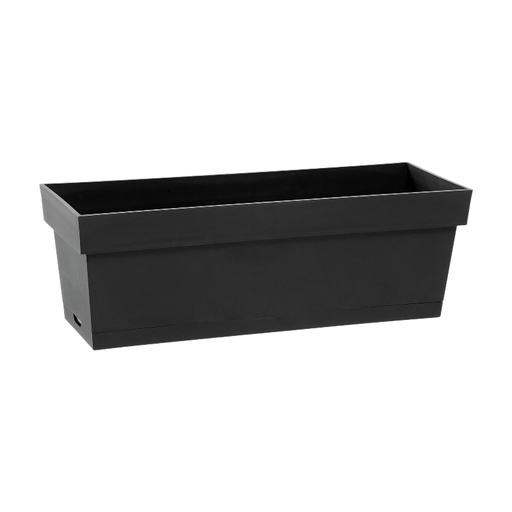
Why this choice suits this profile: With dimensions of 50 x 18 x 16.7 cm, it works well on balconies, windowsills and terrace edges. Its moulded plastic construction keeps it light, with a stated net weight of 0.68 kg.
The clearly stated size reduces the risk of space-related surprises. Before planting, check the drainage holes and place the container on a level surface.
A practical rectangular shape, a subtle anthracite colour and manufacture stated as being in France.
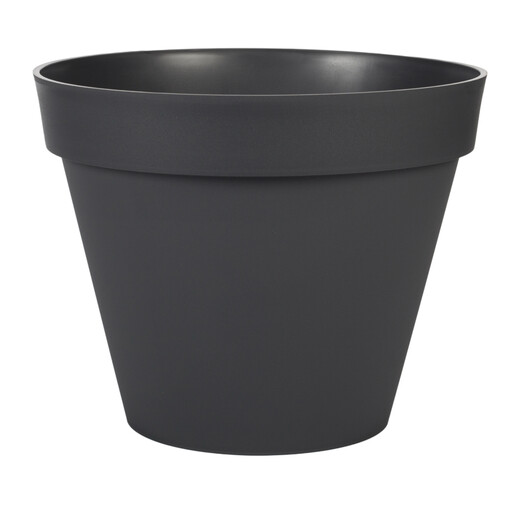
Why this choice suits this profile: This 23-litre pot combines a matt finish, a water reservoir and a material stated as 100% recyclable. A 7-year warranty is indicated for mainland France.
The built-in reservoir and pre-drilled base reduce the risk of uneven watering and poor drainage, as long as the opening is kept clear.
Polypropylene stated as recyclable, integrated UV protection and suitability for both indoor and outdoor use.
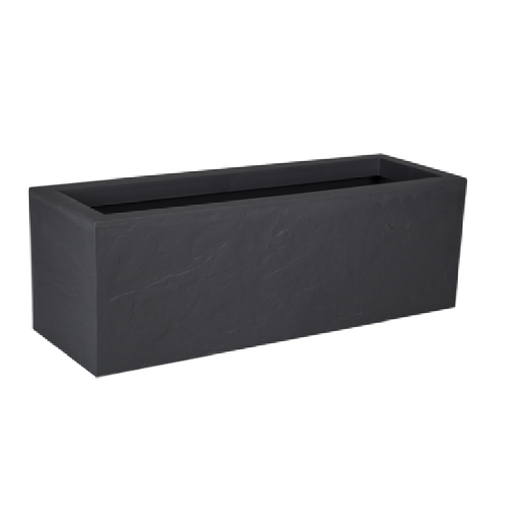
Why this choice suits this profile: Its dimensions of 99.5 x 39.5 x 43.5 cm offer generous volume for shrubs, flower arrangements or small fruit trees. The double wall is presented as a guarantee of stability and thermal insulation.
The capacity and dimensions are specified before purchase. It remains essential to check the load capacity of the floor or balcony – the weight increases significantly once the container is filled.
A 98-litre volume, a stone-effect finish, a water retention zone and a stated Origine France Garantie certification.
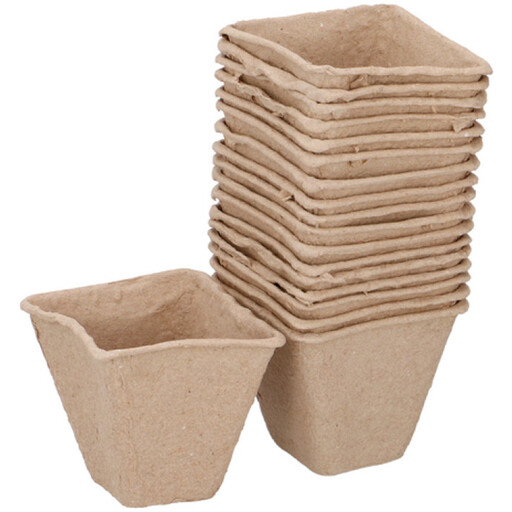
Why this choice suits this profile: This pack is designed for seedlings and young plants. According to the product description, the pots can be planted directly into the ground, which avoids handling the plants at transplanting time.
Its targeted use avoids investing in a large container when the goal is simply to start plants. The shapes supplied may be mixed at random.
A pack of 18 pieces, a material based on recycled plant fibres stated as biodegradable, and very simple to use.
We’ve put together a comprehensive, real-time updated selection of products that meet these strict criteria and European safety requirements.
To make your outdoor pots and planters last, a few simple habits can make all the difference:
For a balcony planter, also check the fixing, the distance from the edge and the load the railing can support. In the garden, position large models before filling them – once loaded, they become particularly difficult to move.
A lightweight, shallow and well-stable planter is usually best. Measure the width of the ledge or floor space, then add the weight of damp compost and the plant to the support’s load capacity. A planter with a water reservoir can space out watering, but it still needs to be properly drained.
It all depends on the material, UV exposure, freeze-thaw cycles and maintenance. Information about UV protection, frost resistance or the warranty are better indicators than a vague promise of longevity. Bring containers indoors or protect them when the instructions recommend it.
It needs more compost and may use more water, especially if it holds a large plant. On the plus side, a large volume sometimes dries out less quickly than a small container exposed to wind. Before choosing, compare the capacity, the type of plant and whether there is a water reservoir.