
Livraison le jour même ou le lendemain

Qualité garantie

Débloquez vos offres de bienvenue: Livraison GRATUITE | Jusqu'à -80 % | 30 jours d'essai gratuits à JoyPlus
Téléchargez l'application
An outdoor planter can transform a balcony, patio or garden, as long as you choose one that suits how you plan to use it. Looks aren’t everything: its dimensions, drainage, weight when filled and resistance to the weather all affect how long it lasts and how much maintenance it needs.
Before you buy, here are the most common mistakes to avoid and the things to consider when choosing a flower planter or raised garden bed that’s right for your surroundings.
A planter filled with damp compost, gravel and plants can quickly become very heavy. On a balcony or patio, take the structure’s load capacity and the stability of the surface into account. Raised planters should be placed on a level surface without getting in the way.
Check the maximum load specified by the manufacturer, and avoid moving a planter once it’s full if this is not recommended. A planter with a trellis can also catch the wind, increasing the risk of it tipping over.
A raised garden bed with a water reservoir still needs an effective drainage system. If water is constantly collecting, the roots may become waterlogged, particularly for plants that need well-drained compost.
Check for drainage holes, a removable plug or a separate reservoir compartment. Indoors, add a saucer or tray to protect the floor.
This claim should be backed up by specific features such as UV protection, frost resistance, galvanised steel, a powder-coated finish, treated wood or recyclable materials. A wooden planter generally needs more upkeep than a metal one, while a plastic container is often easier to move.
Also check the winter storage recommendations. Some containers can withstand cold weather, but waterlogged compost that freezes can put considerable pressure on their sides.
The length should suit the space available while leaving enough room to walk past or open a door. The depth you need depends on what you’re growing:
A raised garden bed makes planting easier to reach, but its volume can make it very heavy. On a balcony, a narrow planter or a vertical model is often a better choice.
Keep drainage holes completely clear. If your planter has a trellis, you may need to anchor it to a wall or secure it to the ground, particularly in exposed areas. For a garden planter on an elevated surface, choose a stable base and follow the recommended maximum load.
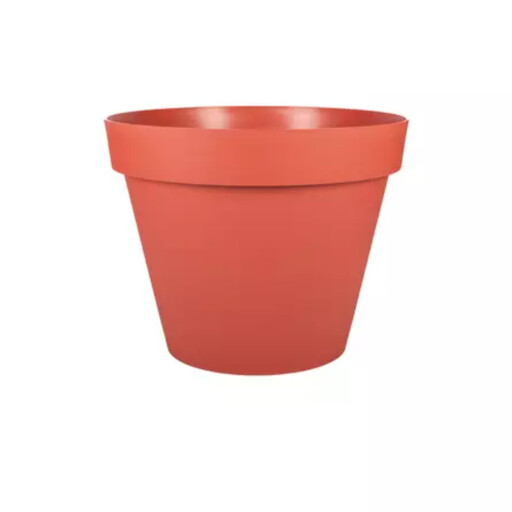
Why it suits this type of user: With a capacity of 23 litres, this model is ideal for flowers, herbs and small plants on a balcony or patio. It doesn’t require any special installation.
The water-retention area and drainage hole beneath the base help reduce the risk of overwatering, provided the outlet is kept clear.
Recyclable polypropylene, UV protection and a stated 7-year guarantee in mainland France.
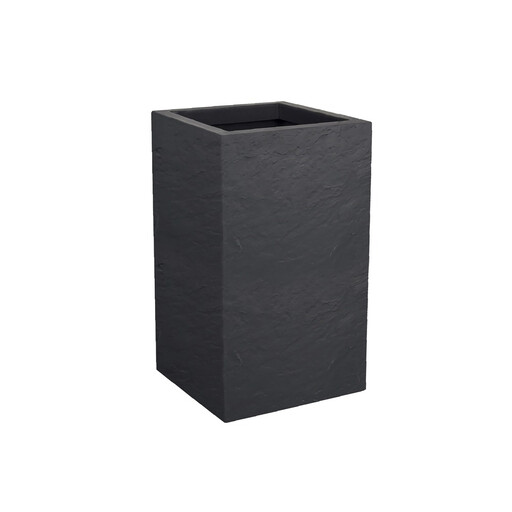
Why it suits this type of user: At 49.5 cm tall, with its stone-effect finish, it’s perfect for decorative displays on a patio or by the front door.
Its pre-drilled holes and water-retention system help prevent the drainage problems that can arise with containers that aren’t properly equipped.
36 litre capacity, UV and frost protection, recyclable material and stated Origine France Garantie certification.
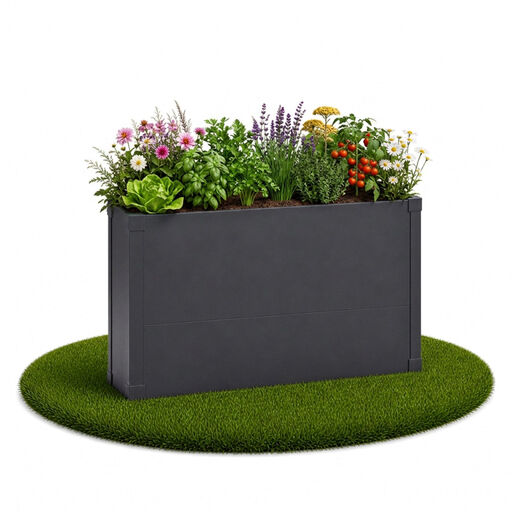
Why it suits this type of user: Measuring 100 × 25 cm, it fits neatly against a wall or railing and comes in three heights for growing herbs, lettuce and flowers.
The capacity is specified for each height, making it easier to estimate how much compost you’ll need and how heavy the planter will be when filled.
Powder-coated galvanised steel, stated resistance to moisture and UV, and a capacity of around 67.5 to 192.5 litres.
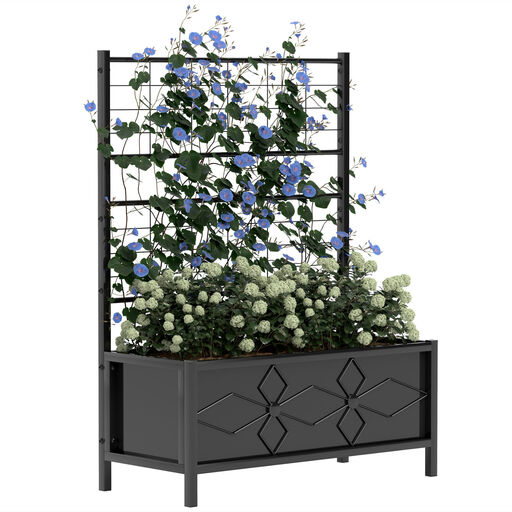
Why it suits this type of user: This model combines a planter with a 70 cm trellis, making it suitable for roses, cucumbers, beans and other climbing plants.
The two drainage holes and raised feet help prevent water from pooling. The stated maximum load also helps you plan how much to put in the planter.
0.7 mm galvanised steel, dimensions of 90 × 40 × 120 cm and a stated maximum load of 50 kg.
We’ve brought together a comprehensive selection, updated in real time, of products that meet these exacting criteria as well as European safety regulations.
Place the container on a stable surface and check regularly that the drainage holes aren’t blocked. For a wooden planter, follow the manufacturer’s care recommendations and avoid leaving it in prolonged contact with a constantly damp surface. With a metal model, keep an eye out for deep scratches and check the joins.
On a balcony, spread the load out instead of placing several heavy planters together in one spot. Secure the planter if the manufacturer recommends it. Finally, choose compost suited to the plants you’re growing: herbs, flowers and vegetables have different needs when it comes to depth and moisture.
Allow around 20 cm for herbs and small flowers, 25 to 35 cm for lettuce or strawberries, and more for plants with deep roots. Remember to check the available width and the total weight once the container is filled.
It can help you leave longer between some watering sessions by retaining some of the water, but you’ll still need to keep an eye on the compost’s moisture level. How often you need to water depends on the season, exposure, wind, the plants you’re growing and the size of the container.
Galvanised metal, UV-treated plastic, frost-resistant recycled materials and some treated woods are suitable for outdoor use. Always compare the care and winter storage requirements, as well as the guarantee offered for the model you choose.