
Same-day & Next-day Delivery

Quality Guaranteed

Unlock Your Welcome Offers: FREE Delivery | Up to 80% OFF | Free 30-day JoyPlus trial
Download the APP
An outdoor planter can transform a balcony, patio or entranceway. But you need to choose the right model: a container that's too small dries out quickly, insufficient drainage traps water, and poorly suited plastic will eventually fade or become brittle over the seasons.
Before you buy, it's worth sifting through the marketing claims to find the features that really matter. Here are the criteria to look at, followed by a selection of models suited to different needs.
A planter with a water reservoir lets you water less often, but it doesn't mean you can ignore your plants. Their needs vary depending on sunlight, the season, the compost you use and the type of plant you're growing. Check for an easily accessible filling system, a separation between the water and the growing medium, and a drainage mechanism.
Claims like "UV-resistant" or "frost-resistant" should come with specific information about the material and conditions of use. A planter left in full sun, filled with soggy compost and then exposed to frost can come under significant pressure. The product page should therefore specify the installation and care requirements.
A shallow rectangular planter works well for seasonal flowers and some herbs, but not necessarily for a shrub or a plant with a spreading root system. Also think about the final weight: between the compost, water and plant, the container can quickly become difficult to move, especially on a balcony.
For a balcony and patio planter, start by measuring the available width, the depth of the walkway and the weight your surface can support. A model around 49 to 50 cm works well for compact arrangements. A large plant container of nearly 100 litres offers more possibilities, but it needs to sit on a stable, easily accessible surface.
On a railing or ledge, also check stability and avoid containers that could tip over. On a patio, castors can make moving things easier, provided they're suitable for the weight of the planter once it's filled.
Effective drainage is essential to prevent excess moisture. Some models come with a removable plug that lets you choose between standard drainage and water retention. This flexibility can be handy for switching from outdoor use to an indoor setup with a saucer.
A water reservoir doesn't replace proper watering. Its main job is to help maintain more consistent moisture levels, as long as it's filled correctly and suits your plant's needs.
Moulded plastic is lightweight and easy to clean. Models made from recycled and recyclable materials can also fit into a more responsible approach to consumption. For a permanent outdoor installation, look for specific details about frost and UV resistance.
A recycled plastic planter is also easier to handle than a terracotta or stone container. On the flip side, check the rigidity of the container and the quality of its finish.
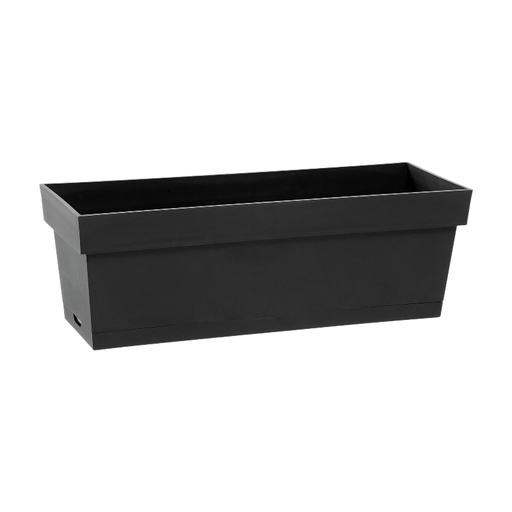
Why this suits this profile: At 50 cm long and weighing just 0.68 kg, it's easy to place on a ledge, balcony or patio.
Its clearly stated dimensions and rectangular shape help prevent nasty surprises when you're measuring up.
Moulded plastic, anthracite grey finish, made in France and designed for use on balconies, ledges and garden borders.
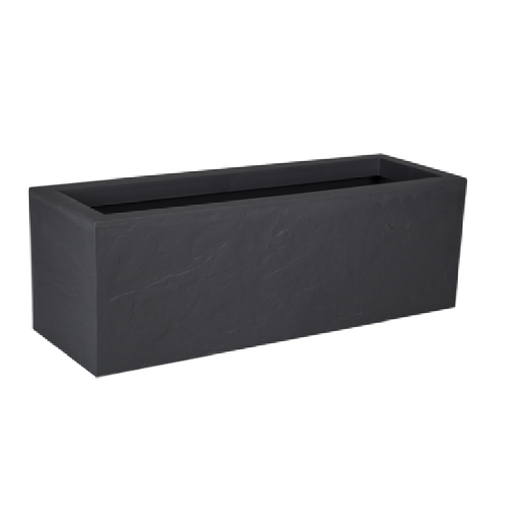
Why this suits this profile: With its 98-litre capacity and mineral look, it's ideal for a structured arrangement on a patio or in a garden.
The double wall, water retention area and pre-drilled holes let you verify the advertised features in practice.
Stone-effect finish, double wall, UV and frost protection as per the product sheet, 100% recyclable material and Origine France Garantie label.
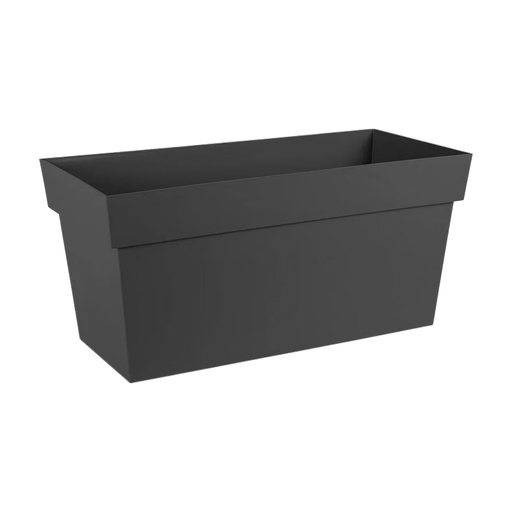
Why this suits this profile: Its 74-litre capacity, castors and filling system meet the needs of a planting arrangement you move around regularly.
The capacity, filter, water reservoir and volume are all detailed, so you can compare the features rather than just the look.
Dimensions 79 × 35 × 39 cm, reservoir with filter grid, castors, UV protection and frost resistance as per the product sheet, made in France.
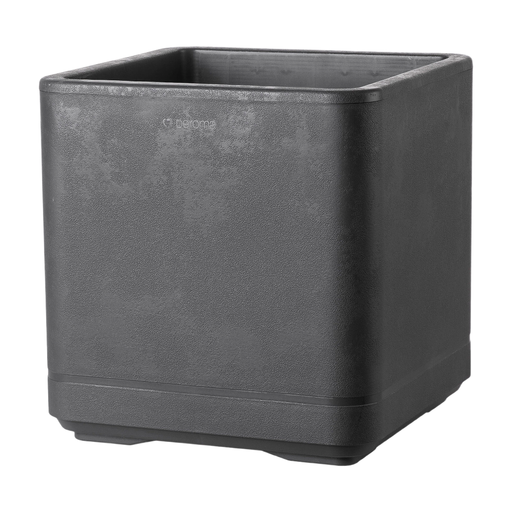
Why this suits this profile: Its cube shape fits into different spaces and lets you choose between standard drainage and a water reservoir.
The removable plug makes the planter's operation perfectly clear and avoids forcing the same watering method on all your plants.
Integrated reservoir, castors, removable drainage plug and recycled and recyclable material, with frost and UV resistance stated by the manufacturer.
We've put together a comprehensive, real-time updated list of products that meet these demanding selection criteria and European safety regulations.
Check that the drainage holes aren't blocked, add a growing medium suited to your plant and place the container on a stable surface. For a model with a reservoir, consult the instructions to know when to fill it. Indoors, a saucer can come in handy.
It depends on the material, the exposure, the weight it bears and how well it's maintained. A frost and UV-resistant plant pot is designed to better withstand temperature changes through the seasons, but the manufacturer's guidelines are still key. Clean the container regularly and avoid any standing water that isn't part of the system.
Castors make moving easier, but they don't eliminate the weight of the compost, water and plant. Move the planter on a level surface, check the stability of the wheels and lock them if the model allows. For a large container, it's best to decide on its position before planting.