
Livraison le jour même ou le lendemain

Qualité garantie

Débloquez vos offres de bienvenue: Livraison GRATUITE | Jusqu'à -80 % | 30 jours d'essai gratuits à JoyPlus
Téléchargez l'application
Choosing an outdoor planter might seem simple. Yet, who hasn't seen an impulse-bought pot crack at the first frost or fade after just one summer?? Beautifying your garden, patio, or balcony is a wonderful project, but the pitfalls are numerous and can quickly turn an enjoyable purchase into a real disappointment.
As a Product Expert at Joybuy, my role is to guide you. Let's forget the marketing jargon and focus on what really matters: making a long-lasting choice that suits your plants and your space. We'll review the most common mistakes to help you avoid them.
To make the right choice, rely on concrete criteria. These are what guarantee the quality and longevity of your outdoor flower pot.
This is the number one criterion, the one that determines your planter's lifespan.
A good water balance is vital for your plants.
The volume and shape of your pot are not just aesthetic details: they play a direct role in the health of your plants and the layout of your space.
Here are a few options that meet specific needs, taking into account the durability and practicality criteria we've just discussed.
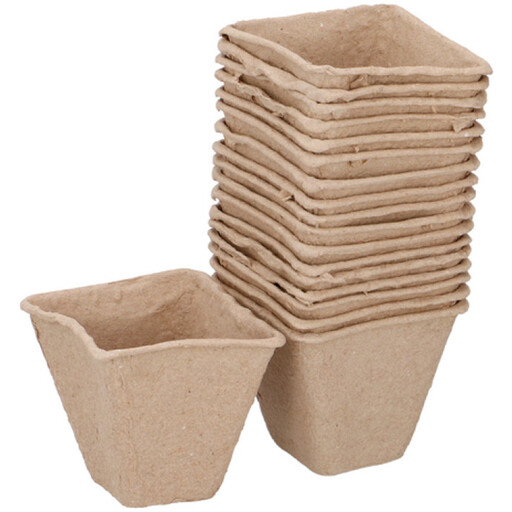
The verdict: Perfect for starting seedlings without plastic. Once the shoot is ready, you plant the entire pot directly in the ground. It decomposes, nourishes the soil, and prevents any stress to the roots. The simplest and greenest approach to get started.
This system puts an end to fragile, disposable plastic pots. Here, there's no waste: the pot becomes a resource for the soil.
100% biodegradable, it eliminates transplant shock for more robust plants.
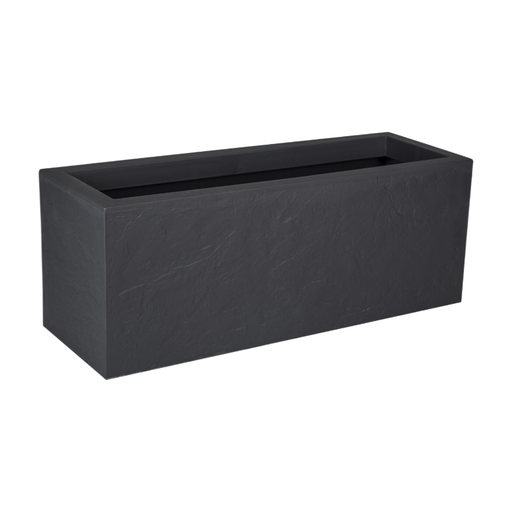
The verdict: Its 59 cm size is perfectly calibrated for balconies. With its stone-effect design and French manufacturing, it's a choice that is both stylish and high-quality for city dwellers.
It avoids the trap of a gimmicky water reservoir. Its integrated system with a retention area genuinely reduces watering frequency—a major plus for balcony pots that dry out very quickly.
Its double wall provides excellent thermal insulation, and its water reservoir is integrated.
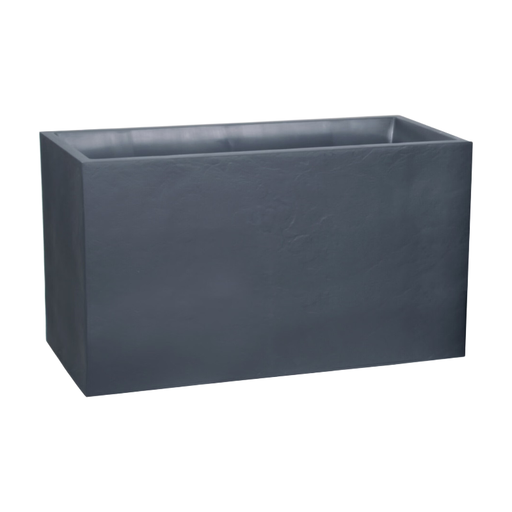
The verdict: With its generous 116-litre volume and low-wall shape, this large flower box is perfect for defining a space, creating a green privacy screen, or housing shrubs. Its modular design allows it to be combined with other elements from the range for a custom layout.
No more large containers that crack at the first frost. Its double-wall structure guarantees optimal stability and thermal insulation, protecting both the container and the roots from sudden temperature changes.
Very large capacity (116 L), an insulating double wall, and the Origine France Garantie certification.
Discover our full selection of products that meet our quality criteria and current standards.
For a plastic or resin model treated to be frost-resistant, little preparation is needed. Simply ensure the drainage is not clogged so that stagnant water doesn't freeze, which would put pressure on the walls. For more fragile materials (untreated terracotta, etc.), it is safer to empty them or bring them into a sheltered area.
Yes, and it's essential. The water reservoir provides moisture through capillary action, but drainage holes (or an overflow) are vital for evacuating excess water, especially after heavy rain. Without them, the reservoir would overflow into the soil, suffocating the roots.
A single-walled pot is lighter and often less expensive. A double-walled model, like those in the Volcania range, creates a layer of air that acts as an insulator. This insulation protects the roots from extreme temperatures (frost in winter, heatwaves in summer), which is much better for the plant's health and the pot's lifespan.