
Livraison le jour même ou le lendemain

Qualité garantie

Débloquez vos offres de bienvenue: Livraison GRATUITE | Jusqu'à -80 % | 30 jours d'essai gratuits à JoyPlus
Téléchargez l'application
An outdoor planter must suit the available space, the weight of the plants and the weather conditions in your area. However, unpleasant surprises are not always related to its appearance: they often come down to details that are difficult to spot when placing your order.
Before comparing an outdoor flower pot or a large planter, take the time to check the features that really matter. Here are the main pitfalls to avoid, along with a selection of models suited to different uses.
A stone-effect finish or a fashionable colour does not guarantee that the container will be stable. A tall or very wide planter can quickly become heavy once filled with damp soil. On a balcony, raised terrace or windowsill, check the supporting surface as well as the total load.
An outdoor planter with a water reservoir can make watering less frequent in certain conditions, but it does not remove the need to monitor the plant. The water level should be checked regularly and the drainage holes kept clear. Standing water may suit some species, but it is harmful to many others.
Direct sunlight, changes in temperature and frost can weaken certain plastics. For an exposed position, a frost- and UV-resistant planter is a sensible choice. However, you also need to consider what it contains: soil that freezes and then expands can place considerable pressure on the sides, even when the material is designed for outdoor use.
Measure the available space before choosing a rectangular planter, a square flower pot or a tall model. A 50 cm planter is particularly suitable for balconies, windowsills and terrace borders. For a shrub, a generous floral arrangement or a small fruit tree, allow for a larger capacity.
The stated capacity makes it easier to compare models, but it does not always correspond to the exact amount of growing medium required. Leave enough room for drainage and allow for the weight of the soil, water and plant.
Choose models with pre-drilled holes or a clearly described drainage system. For indoor use, place the container on a suitable saucer or tray to protect the floor. Some models have a removable plug, allowing you to choose between draining the water outdoors and retaining some water for certain indoor uses.
Moulded polypropylene is lightweight and easy to move. Recycled or recyclable materials can support a more responsible approach to consumption, provided you check the manufacturer’s information carefully. A recyclable plastic planter can generally be cleaned with a soft cloth, water and a little soap.
For sowing, biodegradable seedling pots meet a different need. They are designed to support young plants before they are planted out or moved into a larger container. They therefore do not replace a durable planter intended to remain in place.
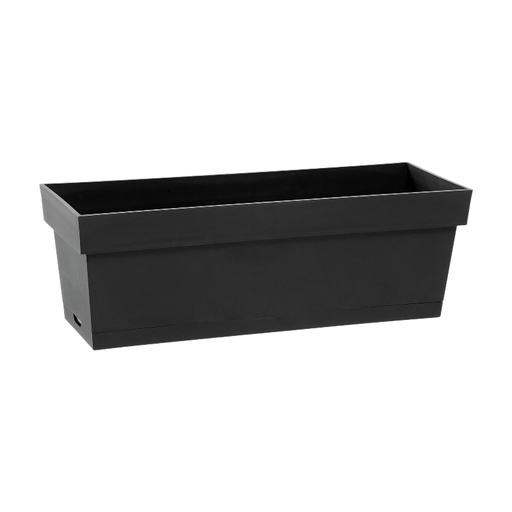
Why this choice suits this profile : Measuring 50 × 18 × 16.7 cm, it fits easily into small spaces. Its shape is suitable for flowers and herbs alike, whether placed on a balcony or along a terrace.
The product details mention a lightweight moulded plastic design and recommend checking the drainage before planting. This helps beginners avoid common mistakes.
Rectangular shape, stated net weight of 0.68 kg and made in France, according to the product details.
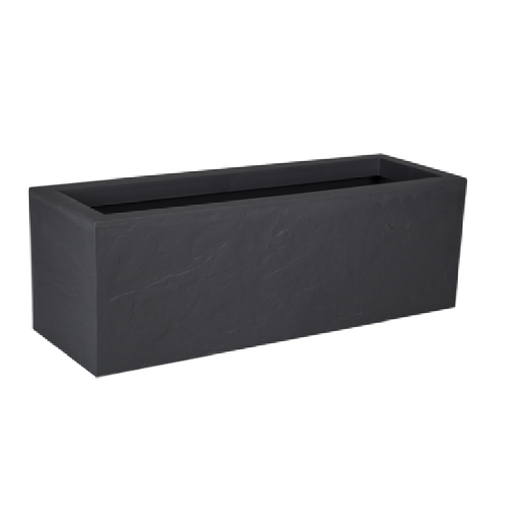
Why this choice suits this profile : Its mineral look, double wall and 98-litre capacity make it ideal for creating structure on a terrace or in a garden with generous planting.
The capacity, double wall and water-retention system are listed separately in the product details. This makes it easier to distinguish appearance from the features that are genuinely useful.
98 litres, stone-effect finish, stated UV protection and frost resistance, with Origine France Garantie certification.
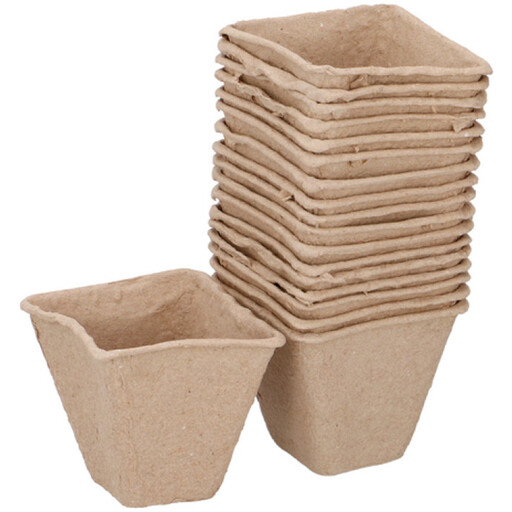
Why this choice suits this profile : This set of 18 containers is suitable for successive sowings, seasonal planting and gardeners who regularly renew their crops.
These are seedling pots, not planters designed to stay outdoors all year round. This distinction prevents you from expecting the same lifespan from a biodegradable container as from a rigid outdoor pot.
18 pieces, recycled plant fibres according to the description, and the option to plant the pot in the ground together with the young plant.
We have put together a comprehensive, real-time selection of products that meet these demanding criteria, as well as European safety standards.
Measure the available length and depth, then check the maximum load supported by the balcony. A 50 cm rectangular model is suitable for flowers and herbs. For a shrub, choose a larger capacity and a solid, stable base.
It can reduce how often you need to water, depending on the season, exposure and the plant’s needs. However, you still need to check the moisture level of the growing medium and the reservoir. Drainage must remain clear to prevent excess water.
It depends on the material, exposure to UV rays, frost, the weight it supports and how well it is maintained. Product details may mention UV protection, frost resistance or a warranty. However, these indications should be distinguished from real-life conditions of use.