
Livraison le jour même ou le lendemain

Qualité garantie

Débloquez vos offres de bienvenue: Livraison GRATUITE | Jusqu'à -80 % | 30 jours d'essai gratuits à JoyPlus
Téléchargez l'application
Choosing an outdoor planter might seem simple, but a poor choice often comes back to haunt you after a few months: a crack after the first frost, sun-faded colours, or withering plants. The market is full of promises that don't always stand up to the test of time and seasons.
My role, as a Product Curation Specialist at Joybuy, is to help you gain some clarity. This guide focuses on purely objective criteria to help you make an informed decision and avoid disappointment.
Before we look at specific models, let's review the classic mistakes that turn a promising purchase into a regret.
To avoid falling into these traps, let's focus on the few technical features that make all the difference.
The term "plastic" is a real catch-all. For durable outdoor use, opt for pots made from high-quality polymers, such as injection-moulded polypropylene. These materials offer several advantages:
Today, manufacturers like DEROMA are going a step further by offering models made from recycled and fully recyclable materials. This is a compelling selling point for more responsible gardening.
Good drainage is vital for the health of your plants. A quality planter must offer an effective solution.
Choosing the right size is a matter of balancing the plant's needs with the available space.
Here is our selection, designed to meet specific needs while adhering to our criteria for durability and practicality.
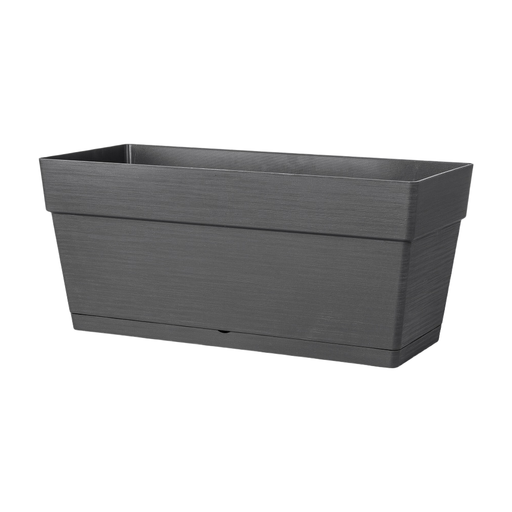
Why we chose it: Perfect for defining a space on a balcony or terrace. Its trough-style planter shape optimises ground space while offering sufficient volume for flowers or herbs. The integrated water reservoir simplifies maintenance, a major plus in urban environments.
The recycled polymer material is treated to resist frost and UV rays, preventing cracks and fading. The water reservoir is designed for passive watering without the risk of drowning the roots.
Combines functional design, eco-friendly manufacturing (recycled materials), and practicality thanks to its water reservoir.
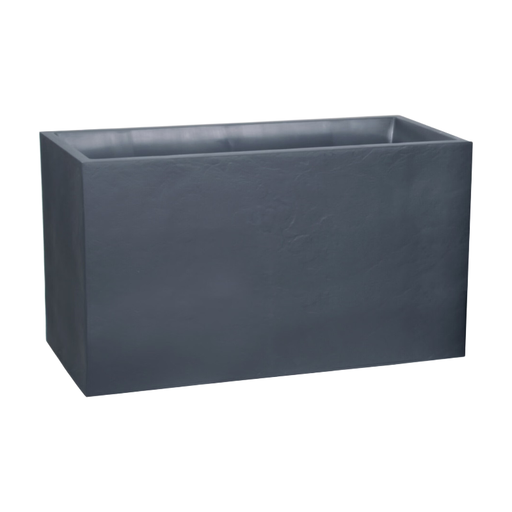
Why we chose it: For those seeking a high-capacity planter that is resistant to frost and UV rays. Its 116 L volume is perfect for shrubs or large-scale arrangements. The stone-effect finish and "Origine France Garantie" (French Origin Guaranteed) certification are true hallmarks of quality.
Its double-walled structure offers superior thermal insulation, protecting roots from both frost and heat. The material is treated for unbeatable durability against the elements.
Very large capacity (116 L) and excellent insulation, making it a first-rate choice for delicate plants and ambitious landscaping projects.
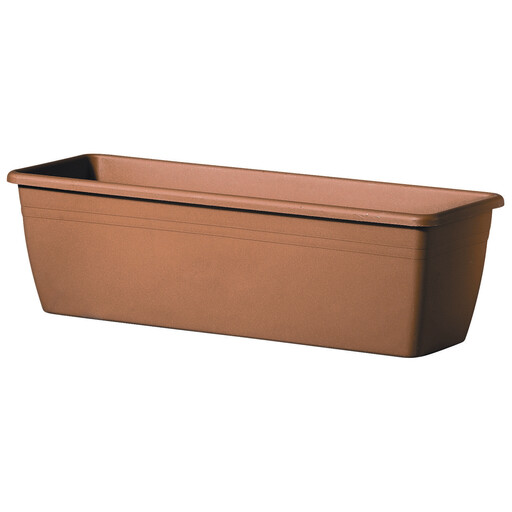
Why we chose it: For those looking for a simple, reliable, and affordable flower pot. Its classic design and medium size (40 cm) make it a versatile, no-frills choice for a wide variety of plants.
This model focuses on the essentials: a quality recycled material that is resistant to frost and UV rays, and a drainage hole to ensure plant health. No gimmicks, just reliability.
Excellent value for money. It offers essential durability guarantees (frost, UV) in a simple, tried-and-tested format, made from recycled materials.
We have curated a full range of products that meet these demanding selection criteria.
If your planter is certified as frost-resistant, it can generally stay outside. For sensitive plants, adding mulch to the surface will protect the roots. For non-guaranteed pots or in regions with very harsh winters, it's safer to move them into an unheated shelter (garage, garden shed) or wrap them in a winter protection fleece.
A single-walled planter is lighter and generally less expensive. A double-walled planter has a layer of air between the inner and outer walls. This layer acts as an insulator, protecting the plant's roots from extreme temperature swings, whether from summer heat or winter cold. It's a significant advantage for the long-term health of your plants.
Yes, provided it's well-designed. It's particularly useful for people who are often away or who want to water less frequently. The reservoir provides constant moisture to the plant through capillary action. The crucial element to check for: the presence of an overflow to drain excess rainwater and prevent the roots from becoming submerged.