
Livraison le jour même ou le lendemain

Qualité garantie

Débloquez vos offres de bienvenue: Livraison GRATUITE | Jusqu'à -80 % | 30 jours d'essai gratuits à JoyPlus
Téléchargez l'application
Adding greenery to your balcony, terrace, or garden is a fantastic idea. But choosing a simple outdoor planter can quickly become a headache. Caught between marketing promises and harsh reality, it's easy to end up with a pot that cracks at the first frost or a colour that fades after a single summer. Let's review the common pitfalls and the essential criteria to look for to make a smart, durable purchase that's perfectly suited to your needs.
The most common disappointments come down to three issues?:
To avoid falling into the trap, it's better to rely on objective technical specifications than on advertising slogans.
The word "plastic" is a catch-all term that doesn't mean much. The true durability of an outdoor flower pot depends on its precise composition (polypropylene, polyethylene, etc.) and how it's treated.
Proper water management is the secret to healthy plants. A quality planter must offer effective drainage. Look for pre-drilled areas at the bottom of the container. These are crucial for draining excess water (especially after heavy rain) and preventing root rot. For indoor use, simply leave them undrilled.
As for the water reservoir, it should maintain consistent moisture without ever waterlogging the soil. A good system will always include an overflow to automatically drain away any excess water.
The volume of your planter should match the ambitions of your plants.
Here is a selection of products that meet specific needs, chosen for their durability and functionality.
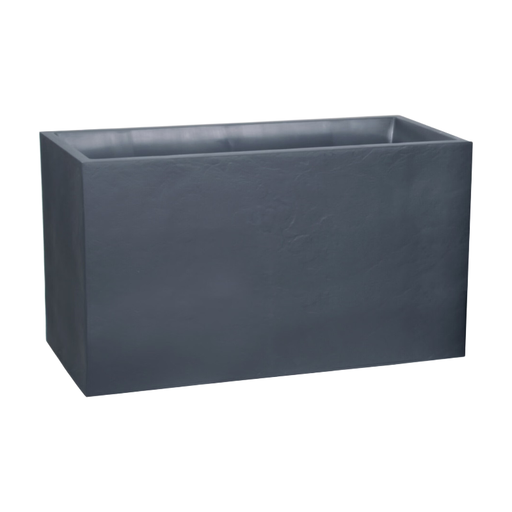
The Lowdown : Ideal for defining a terrace or creating an elegant green divider. Its low-wall format and generous volume can accommodate shrubs or dense arrangements.
Its double-walled construction provides excellent insulation against both frost and heat, thereby protecting the roots. The material is UV-treated and certified as frost-resistant.
An XXL flower box (116 L) that becomes a true landscaping feature, complete with a built-in water reservoir.
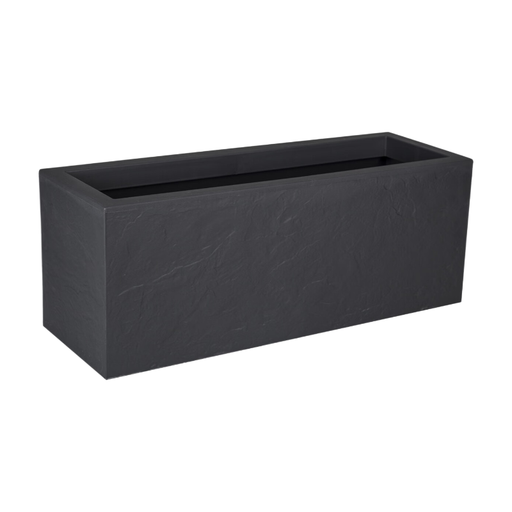
The Lowdown : The perfect compromise for a balcony planter. Its 57 L volume is ideal for beautiful floral arrangements or an herb corner, without being too bulky. The modern, stone-effect design is a real aesthetic bonus.
It includes a water retention area and a drilling system for customised drainage. The Origine France Garantie certification and its UV/frost-resistant treatment are guarantees of longevity.
Versatility and design. Large enough to get creative, yet compact enough for balconies and small terraces.
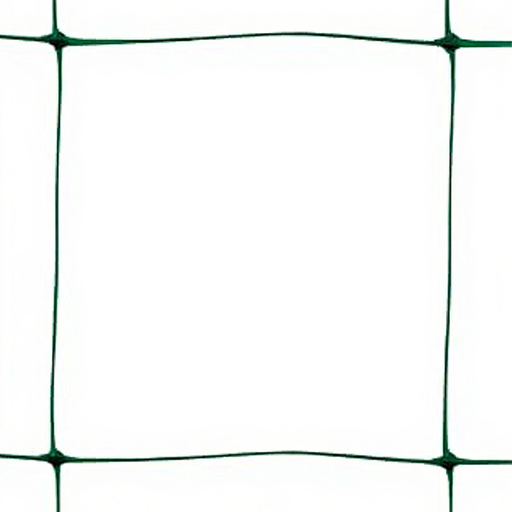
The Lowdown : For growing tomatoes, cucumbers, beans, and other climbing plants, a good support system is just as crucial as the pot. This netting saves space by making use of verticality, both in the garden and on a balcony.
Unlike wooden stakes that rot or metal ones that rust, this polypropylene support netting is rot-proof, resistant to treatment products, and will not corrode.
A lightweight, strong, and reusable support for climbing plants. It improves air circulation and sun exposure, promoting plant health and increasing harvest yields.
Discover our full selection of products that meet our standards for quality and durability.
Is a planter with a water reservoir really useful on a balcony?? Yes, and it's even essential for a balcony that gets a lot of sun and wind, where the soil dries out visibly fast. It allows you to water less frequently while ensuring a constant water supply, which most plants appreciate. Just make sure the overflow is functional to drain away excess water during heavy rain.
How can I protect my plastic planters from frost in the winter?? Even with a model certified as "frost-resistant," a few precautions are necessary. Ideally, avoid having waterlogged soil just before a cold snap. You can also raise the planters on blocks to ensure water drains properly and the base isn't touching the frozen ground. For the most sensitive plants, a classic frost blanket remains a reliable solution.
What's the difference between a single-walled and a double-walled planter?? A single-walled planter is lighter and often less expensive. A double-walled one, however, creates an insulating air gap between the outside and the soil. This insulation protects the roots from temperature shocks: frost in the winter and heat spikes in the summer. This is a considerable advantage for the health of perennial plants that you keep from one year to the next.