
Livraison le jour même ou le lendemain

Qualité garantie

Débloquez vos offres de bienvenue: Livraison GRATUITE | Jusqu'à -80 % | 30 jours d'essai gratuits à JoyPlus
Téléchargez l'application
A 50 cm outdoor planter can easily find a place in British homes and gardens: on a windowsill, small balcony, patio, entranceway or garden border. This length allows you to combine several flowers, grow a few herbs or display a decorative plant without taking up the space of a large planter.
But choosing one is not simply a matter of colour or price. Some planters warp in sunlight, retain too much water or become difficult to move once filled. Here are the key points to check before buying an outdoor flower pot.
The term “outdoor” generally means that the product can be left outside, without necessarily specifying how it behaves when temperatures fall below zero. Moist soil puts considerable pressure on the container when water freezes and expands.
For a permanent installation in the garden or on an exposed patio, prioritise a product specification that clearly mentions frost resistance. If this information is missing, it is best to shelter the planter during periods of severe frost or protect it over winter.
Without effective drainage, rainwater can build up in the planter and suffocate the roots. Conversely, drainage that is too fast means you will need to water more often, particularly on a balcony exposed to the wind.
Check for drainage holes, removable plugs or a water reservoir. An adjustable system allows you to adapt the container to its location: complete water drainage outdoors or controlled water retention in a sheltered area.
A lightweight planter is easy to install, but its weight increases quickly with compost and water. On a balcony, consider the stability of the support and, where applicable, any recommendations from your building management. Always place the container on a flat, stable surface without blocking water outlets.
A length of 50 cm alone does not determine a planter’s actual capacity. Compare its width and height too. For example, a 50 × 18 × 16.7 cm rectangular model will suit several flowers or herbs, while a deeper container will be preferable for a plant with an extensive root system.
For a balcony planter, measure the available space before ordering and check:
Moulded plastic’s main advantages are its light weight and ease of maintenance. For long-lasting use, look for precise information about UV protection, resistance to temperature fluctuations and recyclability.
A recycled plastic planter can support a more responsible approach to consumption, provided the product details also state that it is recyclable. Models made from polypropylene or recycled polymer are easy to clean with a damp cloth or mild soapy water.
The colour also affects how well it blends in visually. An anthracite planter works well with a contemporary façade, while a terracotta planter adds a more traditional touch. However, colour should not distract from the resistance properties stated by the manufacturer.
A pot with a water reservoir can reduce how often you need to water, but it does not remove the need to monitor the compost’s moisture level. Make sure the system has suitable perforations or drainage and that the plug remains easy to access.
For seasonal flowers and herbs, standard drainage is generally sufficient. On a very sunny patio or if you are regularly away, a water reservoir can make care easier, provided you choose plants that are suited to this type of system.
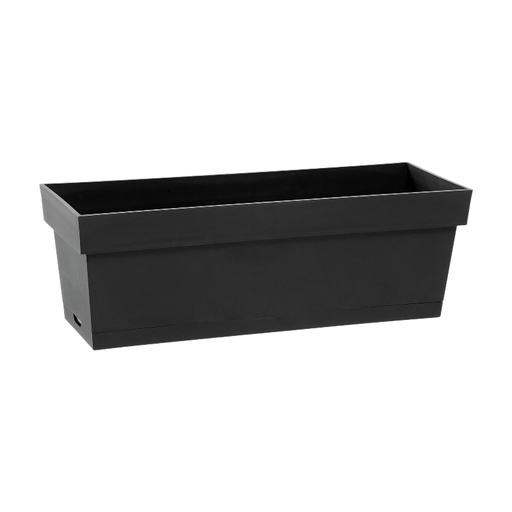
Why this choice suits this profile : Its 50 cm format and net weight of 0.68 kg make it easy to install on a windowsill, balcony or patio.
The product details specify its dimensions, moulded material and that no assembly is required. However, you still need to check the drainage holes before planting.
50 cm rectangular format, anthracite colour, made in France according to the manufacturer and easy to clean with mild soapy water.
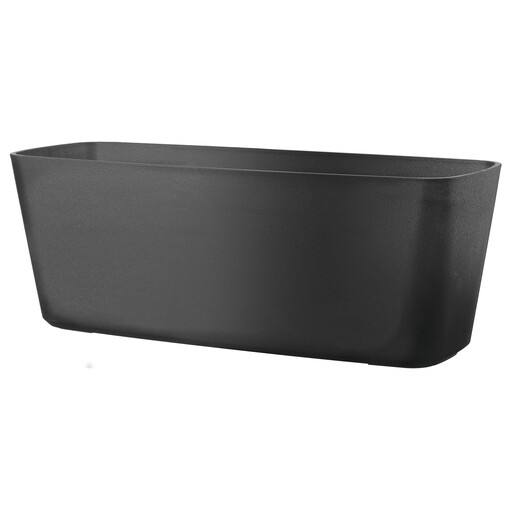
Why this choice suits this profile : Its understated style blends naturally into a well-designed patio. The manufacturer states that it is made from recycled and recyclable material.
The product details mention frost and UV resistance, as well as a removable plug for choosing the drainage mode.
Recycled and recyclable polymer, removable plug, anthracite colour and easy cleaning with a damp cloth.
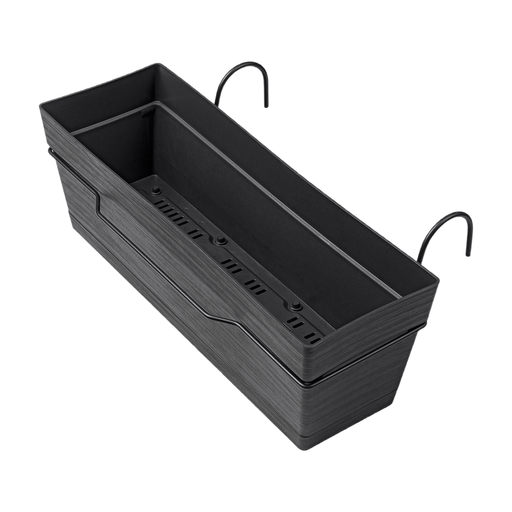
Why this choice suits this profile : Its water reservoir is ideal for anyone who wants to water less frequently on a patio or balcony.
The reservoir system is clearly specified, as is its stated frost and UV resistance. Nevertheless, check the water level regularly.
Recycled and recyclable material, suitable for indoor and outdoor use, with a design stated to be frost- and UV-resistant.
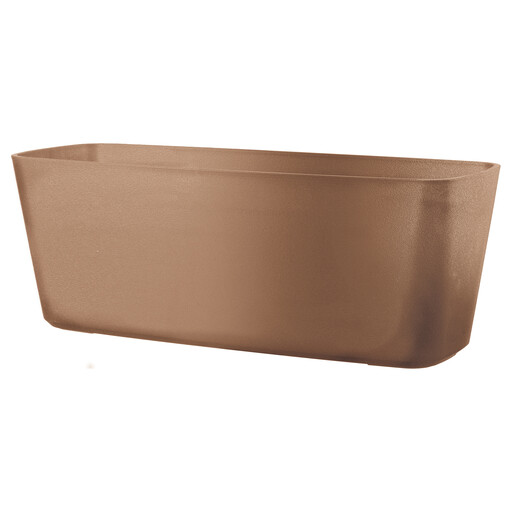
Why this choice suits this profile : Its cotto colour recreates the look of terracotta while retaining the practical benefits of a container made from recycled material.
The product details state that it is frost- and UV-resistant and has a removable plug: two features to check before installing it outdoors.
Terracotta appearance, material stated to be recycled and recyclable, adjustable drainage and simple maintenance.
We have put together a complete, up-to-date selection of products that meet these demanding criteria, in line with European safety regulations.
Before filling the planter, place it in its final position. Add a drainage layer if recommended in the instructions, then choose compost suitable for the plants you are growing. Do not block the openings and allow water to drain away after heavy rain.
To keep a durable planting pot in good condition:
A model advertised as UV-resistant will generally retain its appearance for longer. However, exposure to sunlight, knocks and temperature fluctuations will always affect its lifespan.
Seasonal flowers, herbs, strawberry plants and small decorative plants are generally suitable for this format. However, the depth and amount of available soil matter just as much as the length. Check each plant’s requirements before combining them.
Do not automatically drill holes in the container. First consult the instructions and check whether it already has openings or a removable plug. An additional hole could damage a system designed to regulate drainage.
It can extend the intervals between watering, depending on the weather, exposure and plants being grown. However, it does not remove the need for regular monitoring: excess water can still cause problems, while an empty reservoir no longer serves its purpose. Check the water level frequently.