
Same-day & Next-day Delivery

Quality Guaranteed

Unlock Your Welcome Offers: FREE Delivery | Up to 80% OFF | Free 30-day JoyPlus trial
Download the APP
Choosing an outdoor plant pot isn’t just about style. A poorly sized pot, insufficient drainage or a material that can’t withstand the weather can quickly turn a decorative purchase into a bad investment. Balcony, terrace or garden: each location comes with its own challenges, from the weight once filled, to sun exposure, frost, watering frequency and how easily you can move the container.
An anthracite or stone-effect pot might fit perfectly in your outdoor space, but its appearance tells you nothing about its capacity, drainage or long-term durability. Before you order, always check the product specifications: volume in litres, dimensions, material and water drainage system.
An outdoor plant pot with a water reservoir can sometimes let you water less often, but it doesn’t work on autopilot. You need to keep an eye on the moisture level of the compost, because a reservoir that’s too full or a blocked drainage hole can cause water to stagnate. The needs of the plant matter too: a Mediterranean plant doesn’t grow the same way as a variety that likes moist soil.
A large planter filled with damp soil quickly becomes difficult to move. If you need to shift it to clean the balcony, move it into the sun or bring it indoors to protect it from the cold, castors can make all the difference. However, they should only be used on a stable, level surface to reduce the risk of tipping over.
Choose the container based on the mature size of the plant and the space you have available. A balcony planter of 50 to 60 cm can hold several seasonal flowers or a few herbs. For a more ambitious arrangement, a larger volume gives you more compost, but it will also be much heavier once filled.
The EDA Toscane model, 74 litres, measures 79 × 35 × 39 cm. Its elongated shape is particularly well suited to creating a green divider on a terrace or placing against a wall. In a smaller space, a round pot of 23 litres, such as the EDA Tuscany model with a diameter of 39.5 cm, will take up less floor space.
A built-in reservoir should come with a clearly explained drainage system. Check for a retention area, a filter grid or a hole for draining away excess water. The pot should also be placed on a stand that doesn’t block the drainage outlets.
The EDA Volcania Up planter features a double wall and a water retention zone. It measures approximately 59 × 19.5 × 22.8 cm and has a capacity of 25 litres. Even with this system, check the water level regularly, especially after heavy rainfall.
For a permanent installation, choose a container whose product specifications clearly state resistance to UV and frost. This doesn’t mean you can skip winter precautions, though: a pot filled with very damp compost can experience strong pressure when the water freezes. Follow the manufacturer’s recommendations and make sure the container stays stable.
Plastic can also be part of a more responsible approach when the manufacturer states it is recycled, recyclable or made from recyclable materials. For seedlings, a biodegradable seedling pot can be planted directly into the ground with the young plant, as long as you follow the instructions provided with the product.
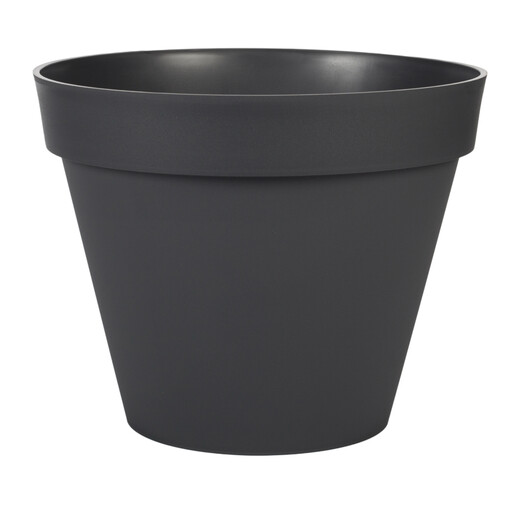
Why this choice suits this profile: With its 23 litres and round shape, it’s ideal for first-time planting on a balcony, terrace or near an entrance.
The reservoir area and the perforation underneath the base allow you to space out watering without removing the drainage.
Polypropylene stated as recyclable, built-in UV protection and a 7-year commercial guarantee in mainland France.
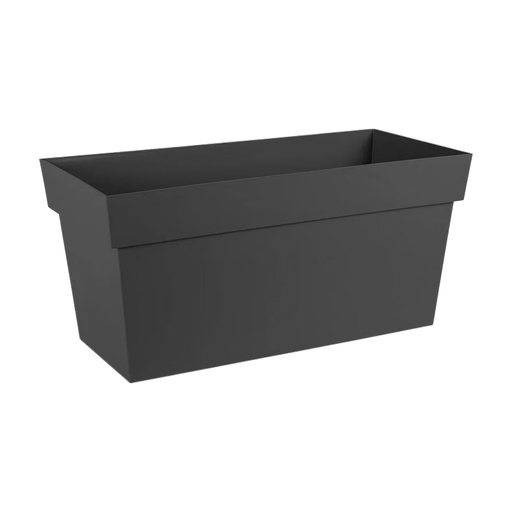
Why this choice suits this profile: Its large capacity and anthracite finish are ideal for a structured planting arrangement on a terrace or patio.
The product sheet details the water reservoir, filter grid and filling spout: this is far from a simple promise of easier watering.
74 litres, castors, plastic stated as UV and frost resistant, recyclable materials and made in France according to the product sheet.
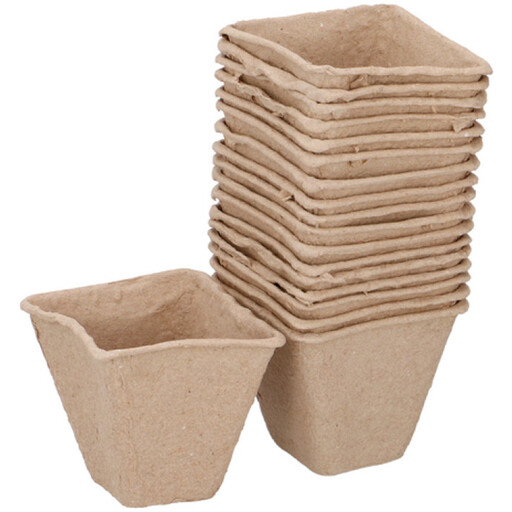
Why this choice suits this profile: With 18 pots, this pack is designed for regular sowing and for those who want to minimise handling at transplanting time.
The young plant can be placed in the ground with its container. No need to remove the pot systematically when transplanting.
18 pieces, fibres from recycled plant materials according to the description, and two shapes available, dispatched at random.
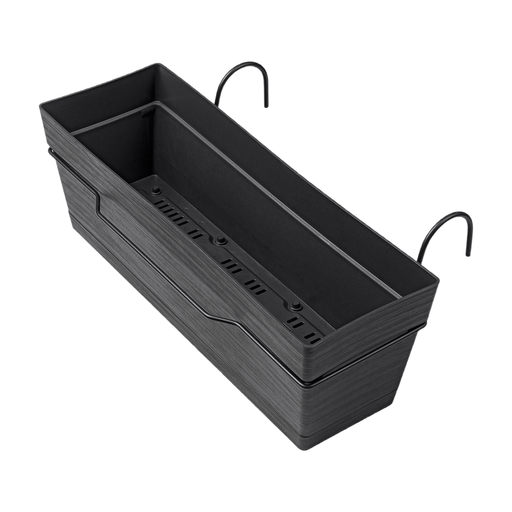
Why this choice suits this profile: Its size and design make it suitable for long-term use, both indoors and in a garden or on an exposed terrace.
The description states frost and UV resistance, as well as being made from recycled and recyclable materials: two points to check before any permanent installation.
Water reservoir, recycled and recyclable polymer stated, frost and UV resistance according to the manufacturer’s product sheet.
We’ve put together a comprehensive, real-time updated selection of products that meet these demanding criteria, as well as European safety regulations.
For a balcony planter, start by measuring the available width and check the depth. A 25-litre model like the EDA Volcania Up can hold a mix of flowers or herbs. A water retention zone helps to space out watering, but you still need to keep an eye on drainage and weight.
The lifespan depends on the material, exposure and maintenance. A product sheet may mention UV protection, frost resistance or a commercial guarantee, but this information doesn’t replace sensible precautions. Avoid knocks, abrasive surfaces and the pressure caused by frozen compost when the manufacturer recommends it.
It can space out some watering by keeping a quantity of water beneath the compost. However, the result depends on the plant, temperature, wind, exposure and the volume of the container. Check the moisture level regularly and drain any excess when the instructions say so.