
Livraison le jour même ou le lendemain

Qualité garantie

Débloquez vos offres de bienvenue: Livraison GRATUITE | Jusqu'à -80 % | 30 jours d'essai gratuits à JoyPlus
Téléchargez l'application
Who hasn't dreamed of gathering loved ones around homemade pizzas, with a perfectly crispy crust and generous toppings? To turn that dream into a reality, you need the right equipment. Faced with an overwhelming selection of models and accessories, it's not easy to know where to start. This guide is here to give you clear insights, free from marketing jargon, to help you choose the gear that truly meets your needs.
To ensure you make the right choice, there are a few technical criteria to understand. Once you've mastered them, you'll be able to make an informed decision and achieve a perfect pizza bake every time.
While a wood-fired oven has an undeniable charm, the gas pizza oven stands out for its convenience and control. It delivers lightning-fast heat-up times and precise, to-the-degree temperature adjustments: two key advantages for successful pizzas. It's also simpler to use and its cleanup is far less demanding. A portable gas pizza oven is therefore an ideal all-round solution for patios, gardens, and even for taking on holiday.
The secret to a crispy crust? The cooking surface. The refractory pizza stone is the key element: it stores intense heat and releases it evenly, all while absorbing moisture from the dough. This is what replicates the effect of a traditional brick oven and guarantees a perfectly cooked, airy base, light-years ahead of the results from a standard oven tray.
A true Neapolitan pizza cooks in 60 to 90 seconds at nearly 450?°C. This is a temperature unattainable for a standard home oven. A good outdoor oven must therefore be able to reach these heights. And to know precisely when the stone is at the right temperature, the infrared kitchen thermometer isn't a gadget; it's an indispensable ally. It measures the surface temperature from a distance, without contact, and ensures you launch your pizza at the perfect moment.
To help you build your ideal home pizza kit, we've selected equipment that combines performance with ease of use.
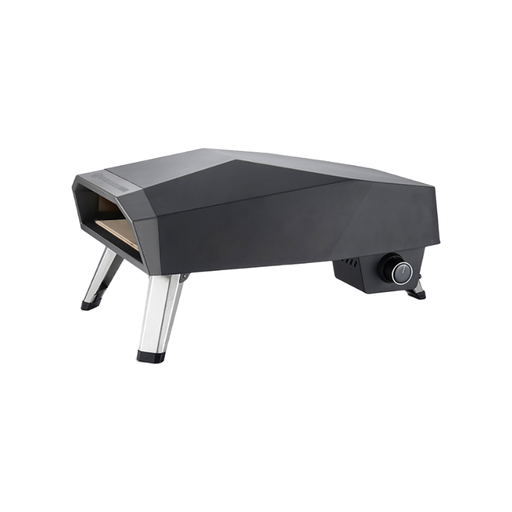
What sets it apart: This French-designed model combines a modern look with formidable efficiency. Its brushed steel and stainless steel body houses two powerful burners and a refractory cooking stone. Its compact size makes it a portable pizza oven that's easy to set up on a patio or in a garden for memorable evenings.
Key features:
Who is it for? For pizza enthusiasts who want a high-performance, easy-to-use solution with a sleek design to elevate their outdoor meals.

What sets it apart: In cooking, and especially for pizza, precision is king. This infrared thermometer measures your pizza stone's temperature with high accuracy in under a second. Its wide measurement range and K-type contact probe make it a versatile tool for the kitchen and many other uses. Please note: This device is designed for culinary and household use; it is not a medical thermometer.
Key features:
Who is it for? For all home pizzaiolos who want to master their cook to perfection and leave nothing to chance. It's one of the most indispensable pizza oven accessories.
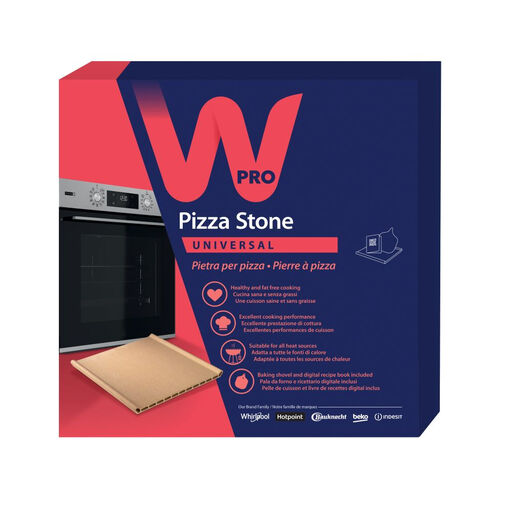
What sets it apart: Made in Italy, this refractory terracotta pizza stone perfectly mimics the conditions of a wood-fired oven. Its honeycombed structure promotes air circulation for rapid preheating, while its material absorbs moisture for an ultra-crispy crust. It comes with a wooden peel, the practical accessory for launching and serving.
Key features:
Who is it for? For those who already own a barbecue or oven and want to take their homemade pizzas to the next level, or for those looking for a quality replacement stone for their dedicated oven.
Our selection highlights complementary products to get you started. If you want to compare other models or discover a wider range of equipment, we invite you to explore our full category.
? Discover all our products in the Pizza BBQ category
1. What is the ideal temperature for a perfect pizza bake? For a Neapolitan-style pizza with a thin base and a puffy, risen crust, the ideal stone temperature is between 400 and 450?°C. At this heat, the cook is ultra-fast (around 90 seconds), which sears the dough while keeping the toppings fresh. Using an infrared thermometer is therefore practically essential to leave nothing to chance.
2. Is a pizza stone mandatory for an outdoor oven? Absolutely, it's the centrepiece of the whole setup. The refractory stone stores heat and transfers it evenly to the dough. It also absorbs excess moisture, which is essential for achieving a crispy crust and avoiding a soggy base. Most good pizza ovens come equipped with one by default.
3. How do you clean an outdoor pizza oven and its stone? Golden rule: always let the oven cool down completely before cleaning it. For the exterior, a soft, damp cloth is sufficient. For the refractory pizza stone, the best and simplest method is pyrolysis: heat the oven to a high temperature for about thirty minutes to carbonise any food residue. Once the stone has cooled, simply brush it with a stiff brush. Crucially, never use water or detergent! The stone is highly porous and would absorb them like a sponge, risking a crack during the next heat-up.