
Livraison le jour même ou le lendemain

Qualité garantie

Débloquez vos offres de bienvenue: Livraison GRATUITE | Jusqu'à -80 % | 30 jours d'essai gratuits à JoyPlus
Téléchargez l'application
A poorly lit entrance, a terrace plunged into darkness or a pathway fitted with a solar light that’s too weak can quickly become a source of frustration. Yet product descriptions often focus on design or brightness, without necessarily specifying the criteria that really matter day to day.
Before buying outdoor lighting, take a moment to check three essential points: its resistance to moisture, its power source and the purpose it’s intended for. A wall-mounted outdoor light isn’t subject to the same demands as a bollard light or a portable outdoor lamp.
A warm, low-intensity light can work perfectly on a terrace or along a garden border. However, it won’t replace a pathway light designed to guide movement. Solar lights with just a few lumens are generally used for subtle marking. To illuminate an entrance or a façade, it’s often better to opt for a more powerful source.
A metal and glass outdoor lamp can blend elegantly into a façade. But its durability also depends on its IP rating, the quality of the installation and its exposure to the elements. A beautiful finish doesn’t mean you can skip checking the manufacturer’s recommendations, especially in regions exposed to sea spray or frequent rain.
Some lights connect to the mains and require a fixed installation. Others run on a rechargeable battery or a solar panel. Also remember to check the electrical class: a Class I appliance must be earthed, while a Class II model has double insulation and doesn’t need an earth conductor, in line with the characteristics stated by the manufacturer.
The IP rating tells you how well the light is protected against solid objects and water.
A high rating doesn’t mean the light can be submerged. After installation, the seals must stay correctly positioned, and the electrical components must not be opened or modified.
Integrated LED outdoor lighting generally uses little energy and saves you from regularly replacing a bulb. On the downside, the light source may be impossible to change. An E27 or GU10 base gives you more freedom to choose the bulb, its colour temperature and whether you can dim it.
Solar power simplifies installation because no mains connection is needed. However, the panel must receive enough direct sunlight during the day. Battery life can vary depending on the season, the panel’s orientation and the battery’s charge level.
For an entrance, choose a light that spreads widely enough to illuminate the walkway without causing glare. Pointed downwards, a wall light can highlight a façade while guiding a path. A bollard light distributes light near the ground, while a portable outdoor lamp creates accent lighting on a table or in a relaxation area.
Look at the lumens, the colour temperature expressed in kelvins and the beam angle. A warm light, around 2,700 to 3,000 K, creates a soft atmosphere. A more neutral shade can improve visibility in a functional area.
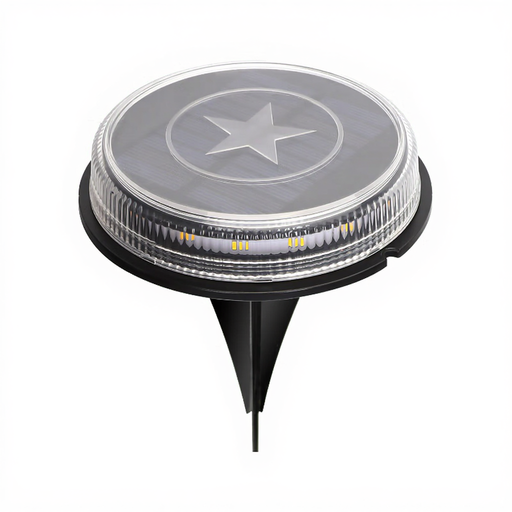
Why this choice suits this profile: This round solar light installs without any mains connection and is ideal for marking a pathway, border or garden.
Its IP66 rating is clearly stated, and its wireless installation keeps unexpected work to a minimum. You will, however, need to choose a spot that gets enough sunlight.
0.6 W solar panel, 500 mAh lithium battery, warm light at 3,200 K and compact design.
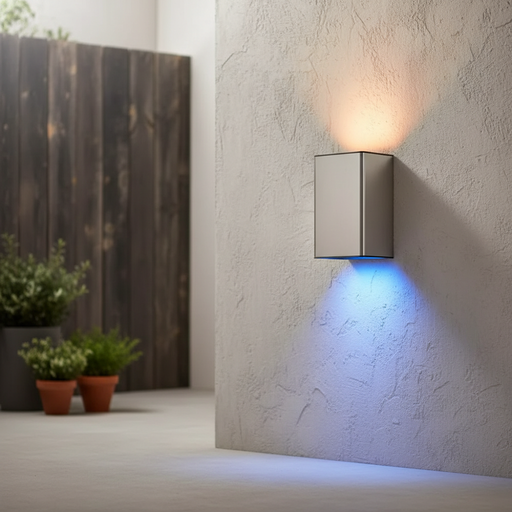
Why this choice suits this profile: This connected wall light is designed for those who want to control the atmosphere and schedules from an app or a compatible smart home system.
The product page specifies app control, compatibility with the Philips Hue bridge and the need for electrical installation by a qualified professional.
Stainless steel, glass and adjustable white or colour LED lighting, with integration for voice assistants.
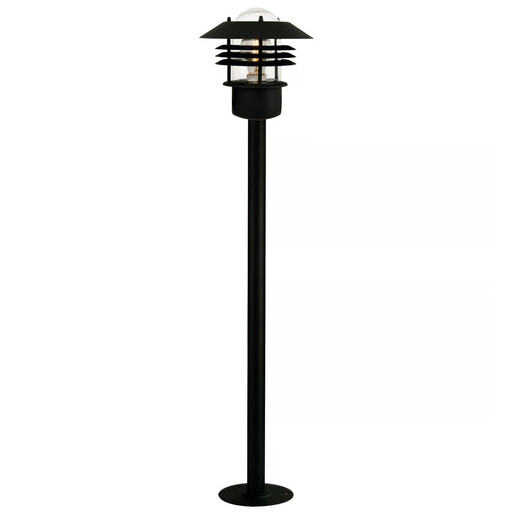
Why this choice suits this profile: At 92 cm tall, this bollard light is ideal for a pathway, entrance, terrace or garden boundary that needs fixed lighting.
The IP54 rating, metal material and glass are clearly stated. The compatible mounting base will need to be purchased separately, depending on the installation chosen.
E27 base up to 60 W, dimmable with a compatible bulb and the ability to connect several lights in parallel.
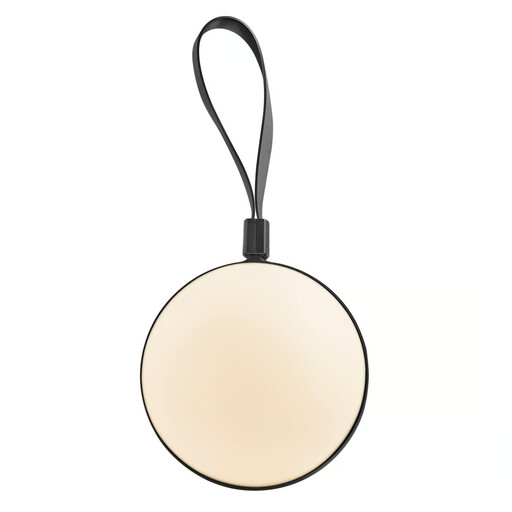
Why this choice suits this profile: Cable-free during use, it’s easy to move from the table to the balcony or terrace.
The battery, USB-C charging time and two brightness levels are all specified. However, the charging port must be kept away from moisture.
Integrated LED at 2,700 K, two brightness levels of 70 and 20 lumens, claimed battery life of around 8 hours on the highest setting.
We’ve put together a comprehensive list, updated in real time, of products that fully meet these strict selection criteria and European safety regulations.
For a wall-mounted outdoor light connected to the mains, switch off the power before any work. Call in a qualified electrician when the product page requires it. The fixing must keep the seals and cable glands in place to preserve the IP rating.
Clean the surfaces with a slightly damp, soft cloth. Avoid abrasive products and solvents, which could damage the finishes or diffusers. For a solar light, dust the panel regularly to maintain good light reception. In a salty environment, carefully follow the manufacturer’s recommendations regarding materials and maintenance.
For typical outdoor use, an IP44 or IP54 model can be suitable depending on the exposure and the manufacturer’s instructions. An IP66 light offers superior protection against dust and water jets, but it must not be submerged.
Its battery life depends on the sunlight it receives, the season, the battery capacity and the lighting mode selected. Install the panel in an open spot, away from prolonged shade, and check the claimed battery life to estimate how long it will run after a dull day.
An E27 or GU10 LED bulb can be replaced and allows you to change the colour or brightness. An integrated LED light offers a more compact design, but its light source may be impossible to replace. The choice therefore depends on your priorities regarding maintenance, customisation and how long you plan to use it.